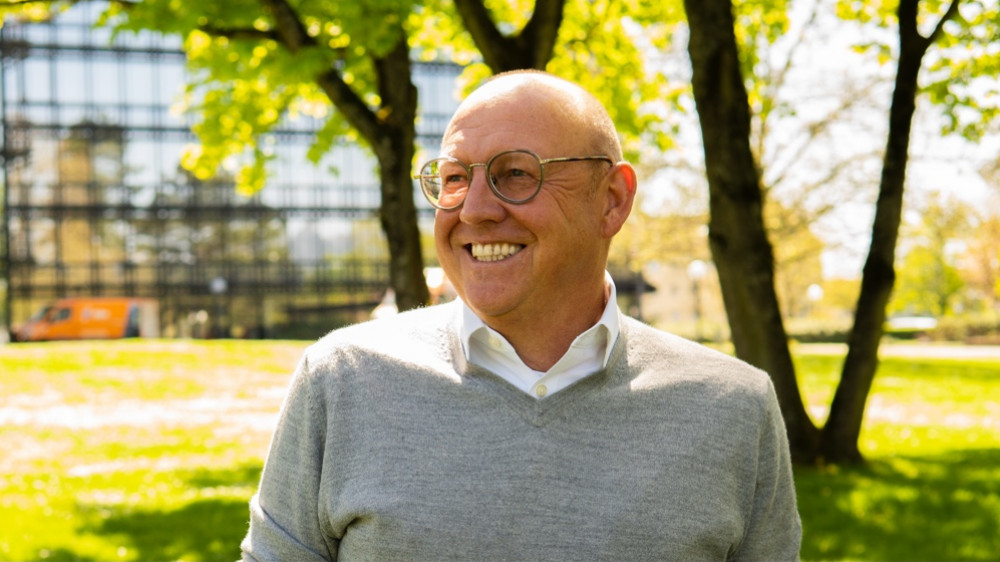
ALH Board Member on Social Media: "There's Always Something New!"
Is social media still a relevant tool for the traditional insurance industry? For Frank Kettnaker, Board Member for Sales and Marketing at the ALH Group (Alte Leipziger/Hallesche), the answer is a resounding yes. In a recent interview, Kettnaker, who personally migrated from Xing to LinkedIn, emphasized that engaging with social media is not a passing trend but a dynamic and essential component of modern insurance marketing, brand building, and talent acquisition. His insights offer a valuable blueprint for insurance executives and agents looking to leverage digital platforms effectively.
Why a Board Member Embraces LinkedIn
Kettnaker's move to LinkedIn was strategic. "Social Media has a lot to do with community-building," he states. While the ALH Group maintains official corporate channels, Kettnaker recognized the untapped potential of a personal executive profile. "We as the ALH Group want to be recognizable with a face on and in social media," he explains. This humanizes the corporation, fostering trust and enabling direct, peer-level dialogue with intermediaries, clients, and potential employees. For him, it's not about career advancement but about advancing the company's goals: visibility, contact, and engagement.
Key Advantages of Executive Social Media Presence:
- Humanizes the Brand: Puts a trusted face to a corporate name.
- Builds Authentic Connections: Facilitates direct conversation with brokers and the market.
- Showcases Company Culture: Demonstrates values like openness and reliability from the top down.
- Supports Recruitment: Acts as a powerful tool for insurance talent acquisition by showcasing leadership and workplace environment.
Social Media as a Strategic Tool for Growth and Recruitment
For Kettnaker, LinkedIn is a dual-purpose platform. It's crucial for insurance lead generation through broker engagement and client visibility. Simultaneously, it's a premier channel for attracting qualified professionals. "We want to show who we are and what kind of spirit prevails with us," he notes. By embodying the company's values—open, appreciative, reliable, responsible—through his profile, he provides a genuine preview of the ALH culture to potential hires. This "show, don't tell" approach is far more compelling than standard job postings.
He believes insurers attract talent by credibly demonstrating that people are the central success factor. "Employees who enthusiastically share contributions from events and training are the best business card," Kettnaker asserts, highlighting the power of employee advocacy in insurance digital marketing.
Navigating Challenges and the German Insurance Landscape
When asked about negative feedback, Kettnaker acknowledges its inevitability but views it as a learning opportunity. "Feedback helps improve our service... we see it as a great chance because we want to be customer-centric." This mindset is crucial for any professional engaging online.
Addressing the gap between German insurers and their US counterparts (who often boast millions of followers), Kettnaker points to resources and strategy. Achieving massive followings requires significant investment in creating compelling content and community management. While German insurers may not be first movers, Kettnaker is convinced of the growing relevance in the DACH region. His personal investment in LinkedIn reflects this conviction.
Actionable Takeaways for Insurance Professionals:
- Choose Your Platform Strategically: Focus on where your target audience (brokers, clients, talent) is most active. For B2B and professional branding, LinkedIn is currently dominant.
- Lead from the Front: Executive participation signals company-wide commitment to innovation and engagement.
- Prioritize Authenticity: Use personal profiles to showcase real leadership and company culture, complementing corporate channels.
- Embrace Feedback: View criticism as valuable data to improve customer and partner service.
- Invest in Quality: Building a large, engaged community requires dedicated resources for content creation and interaction.
Kettnaker's active social media presence underscores a fundamental shift: in today's market, an insurer's strength is measured not only by its financial ratings but also by its digital connectivity and human touch. For any agency or company in the insurance sector, developing a coherent social media strategy for insurance is no longer optional—it's a critical component of sustainable growth and competitive relevance.
Insurers and brokers struggle with high backlogs in claims management, increasing claim frequencies, a shortage of skilled workers, and growing customer expectations. Manual processes are expensive and slow.