Allianz's Strategic Pivot: A €2.4 Billion Bet on Germany's Fiber Optic Future
In the persistent low-interest-rate environment, major insurers like Allianz face a critical challenge: how to generate stable, long-term returns on the vast premiums they hold. The answer increasingly lies not in traditional bonds, but in tangible, real-world assets. According to a report from the Spanish newspaper El Confidencial, Allianz is planning a massive strategic move—teaming up with Spanish telecom giant Telefónica (known in Germany as O2) to form a joint venture aimed at building out Germany's fiber optic network. While Allianz has declined to comment, calling it "rumors," the potential €2.4 billion investment signals a bold new direction for institutional capital.
The Reported Deal: Bridging Germany's Digital Divide
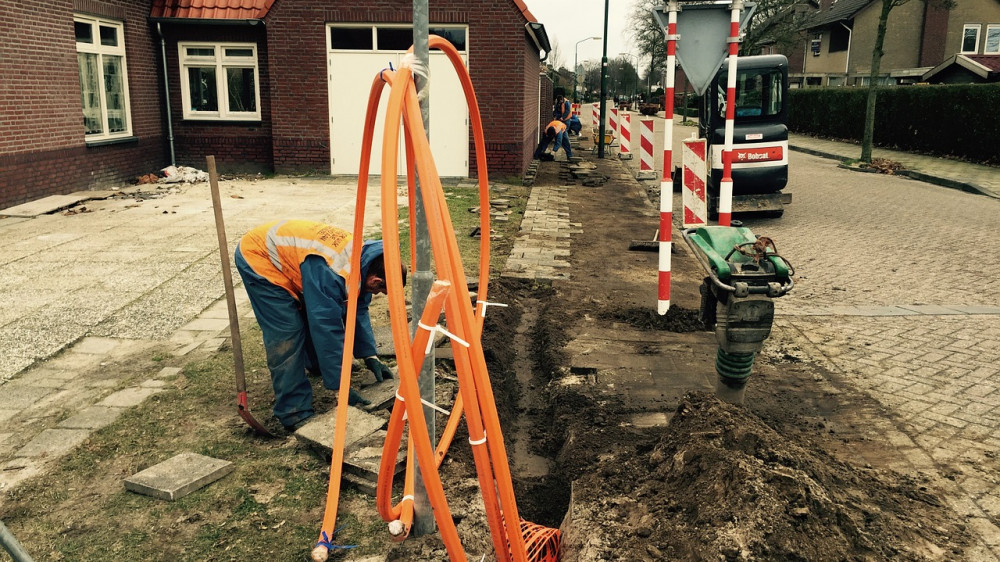
The reported joint venture has an ambitious goal: to invest approximately €2.4 billion to connect around 2 million households to high-speed fiber optic (FTTH) internet. This addresses a glaring national need. Germany, despite its economic prowess, is notorious for its digital infrastructure lag. A study by ToolTester, analyzing data from cable.co.uk, ranks Germany 25th globally for average download speed—the worst placement among all industrialized nations surveyed. With only about 1.8 million households currently on fiber, the growth potential is enormous.
For Telefónica, this partnership aligns with its recent announcement to cooperate with Deutsche Telekom from 2021 to market fiber connections. Partnering with a deep-pocketed institutional investor like Allianz provides the capital necessary for the massive upfront costs of network rollout.
Why Insurers are Turning to Infrastructure
This potential move is not an isolated gambit but part of a clear, long-term strategy at Allianz. Faced with meager yields on fixed-income securities, insurers are compelled to seek alternative asset classes that offer:
- Inflation-Linked, Long-Term Returns: Infrastructure assets like fiber networks provide stable, predictable cash flows over decades, often linked to inflation, which matches the long-duration liabilities of life insurance policies.
- Portfolio Diversification: The returns from infrastructure are typically uncorrelated with public equity and bond markets, adding resilience to an investment portfolio.
- ESG and Impact Alignment: Investing in critical digital infrastructure supports economic development and bridges social gaps, bolstering the company's Environmental, Social, and Governance (ESG) profile. Allianz has explicitly stated its goal of building a "clean image."
Allianz is already a seasoned player in this space. Its dedicated investment arm, Allianz Capital Partners, established an infrastructure team in 2007 and has since directed over €12 billion into direct infrastructure investments. Recent examples include financing wind farms in Poland and acquiring stakes in regulated utilities like Finland's second-largest electricity provider, Elenia.
The Bigger Picture: A Wave of Institutional Investment
The potential Allianz-Telefónica venture is a high-profile example of a broader trend. Insurers and pension funds worldwide are allocating increasing portions of their portfolios to core infrastructure—energy grids, transportation, utilities, and digital networks. These assets are seen as defensive, essential to modern economies, and capable of delivering the yield that vanishing government bonds no longer provide.
For Germany, such private investment is crucial to achieving its national broadband goals without overburdening public finances. It represents a public-private partnership model where institutional capital provides the funding, and specialized operators manage the build-out and operation.
What This Means for the Market and Policyholders
- Accelerated Network Expansion: If realized, this venture would significantly accelerate fiber deployment in Germany, improving connectivity for millions.
- Strategic Asset Growth for Allianz: A successful foray into digital infrastructure would create a valuable, income-generating asset for Allianz, ultimately contributing to the financial strength that underpins its insurance promises to policyholders.
- A Blueprint for Others: Other major insurers and institutional investors are likely watching closely, potentially leading to more capital flowing into similar projects across Europe.
While Allianz remains officially silent, the reported plans are a logical extension of its stated investment strategy. In a world of low yields, the future of insurance capital is increasingly being laid underground—in the form of fiber optic cables that power the digital economy. This move underscores how institutional investors are stepping in to fund the essential infrastructure of the 21st century.
Insurers and brokers struggle in claims management with high backlogs, increasing claim frequencies, skilled labor shortages, and growing customer expectations. Manual processes are expensive and slow.