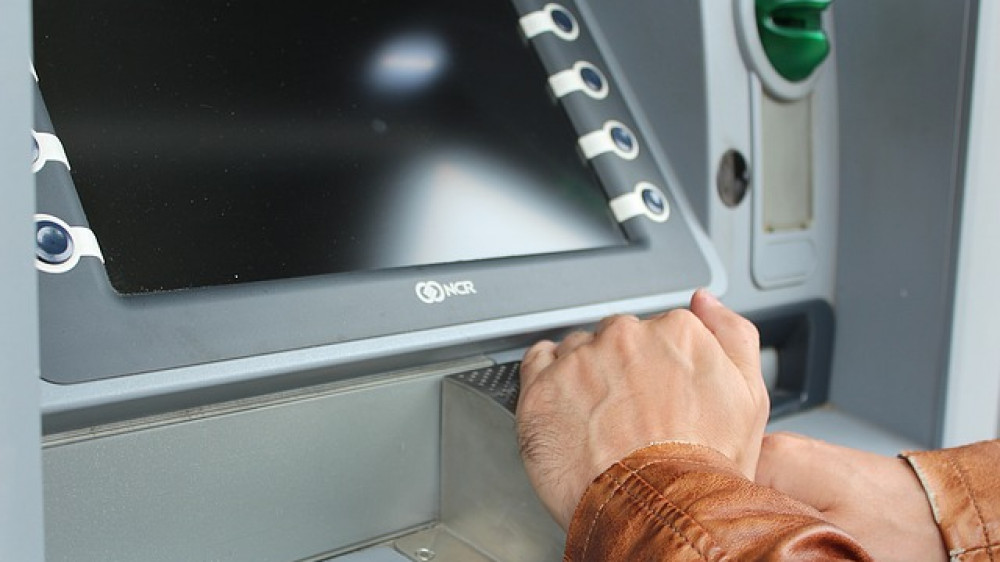
The Accelerating Decline of Bank Branches in Germany: Implications for Consumers
If you've noticed your local bank branch closing its doors, you're not alone. Across Germany, a quiet transformation is reshaping the financial landscape: the rapid decline of physical bank branches. This trend, often called the "Filialsterben" (branch die-off), is accelerating and poses significant questions for your access to cash, in-person service, and financial advice. By 2025, nearly one-third of remaining branches could vanish, fundamentally changing how you interact with your bank.
This guide will help you understand the drivers behind this shift, its real-world impact, and the strategies you can employ to ensure your banking needs are met in an increasingly digital world.
The Scale of the Shift: Startling Projections
The numbers tell a clear story. According to a prognosis by the consultancy Investors Marketing, based on a survey of 100 bank board members, the number of bank branches in Germany could plummet from approximately 34,000 in 2015 to just 20,000 by 2025. This represents a staggering 41% reduction in physical access points within a decade.
The decline is already well underway. In 2016 alone, cooperative banks (Genossenschaftsbanken) closed around 470 branches, while savings banks (Sparkassen) shuttered 900. Major private banks are following suit; the Deutsche Bank announced cutting 4,000 full-time positions, many in retail banking, and Commerzbank plans to eliminate 7,800 jobs in Germany.
Why Are Banks Closing Branches? The Core Drivers
Several powerful economic forces are converging to make maintaining a vast branch network unsustainable:
- The Persistent Low-Interest-Rate Environment: The European Central Bank's (ECB) long-term low-interest-rate policy has crushed banks' traditional profit engine—the net interest margin. With lending rates low and savings rates near zero, the revenue from this core business has sharply declined. Branches, with their high fixed costs, become a primary target for cuts.
- Soaring Operational Costs: Personnel and real estate expenses for physical branches are enormous. As Holger Sachse from Boston Consulting Group notes, branch staff alone account for roughly 40% of total costs in the retail banking sector.
- The Digital Transformation Imperative: Customers are increasingly banking online and via mobile apps. To remain competitive, banks must invest heavily in digital infrastructure, cybersecurity, and user experience. These investments often come at the expense of the physical network.
- Changing Customer Behavior: The demand for routine over-the-counter transactions (cash deposits, withdrawals) is falling. For many, especially younger demographics, a smartphone is now their primary bank branch.
The Real-World Impact: A Challenge for Access and Advice
The consequences of this branch retreat are most acutely felt in rural areas and small towns. Places like Zeulenroda in Thuringia, with a population of 13,000, are left with minimal options. Some communities around Leipzig are now serviced only by a mobile "Sparkassen-Bus" that visits once a week to provide cash services.
This creates a tangible problem for you if you:
- Rely on Cash: Finding a free ATM or a place to deposit cash is becoming a logistical challenge, potentially involving significant travel.
- Value Face-to-Face Advice: Complex financial decisions—like retirement planning, mortgage applications, or investment strategies—often benefit from personal interaction. The disappearance of a local advisor can leave a vacuum.
- Are Less Tech-Savvy: For older generations or those uncomfortable with digital tools, the loss of a local branch can feel like being cut off from essential financial services.
Opportunities in the New Landscape
While the trend presents challenges, it also creates opportunities for adaptation and new service models.
| Challenge | Potential Solutions & Alternatives |
|---|---|
| Limited Cash Access | Use supermarket checkouts for cashback (Bargeld-zurück). Plan cash needs in advance. Rely more on digital payments. |
| Loss of In-Person Banking | Embrace online and mobile banking for routine tasks. Use video call services some banks offer for consultations. |
| Need for Personal Financial Advice | Turn to independent financial advisors (IFAs) or insurance brokers. As banks retreat, these local professionals can fill the advice gap, offering personalized, holistic planning. This is a key area where human expertise remains irreplaceable. |
| Banking in Rural Areas | Consider direct banks (Direktbanken) like ING or DKB, which offer nationwide ATM networks (often with fee reimbursement) and competitive rates, offsetting the lack of a local branch. |
Even banks recognize that branches still hold value for certain services. As Sabine Schanzmann-Wey, a Commerzbank press spokesperson, stated, "To grow, we need branches. 70 percent of advisory business is still acquired through branches." The future likely lies in a hybrid model: a significantly streamlined network of flagship or advisory-focused branches for complex services, supported by a robust digital platform for everyday banking.
How You Should Adapt: A Practical Checklist
- Audit Your Banking Habits: How often do you truly need a physical branch? Could you handle 90% of your tasks online or via an app?
- Explore Digital Banks: Research reputable direct banks or neobanks (like N26) that offer full-service current accounts with low fees and excellent apps.
- Secure Your Cash Access: Identify supermarkets, petrol stations, or other retail partners in your area that offer free cash withdrawal services.
- Build a Relationship with an Independent Advisor: For investment, pension, and insurance planning, consider establishing a relationship with a local, fee-transparent financial advisor. They can provide the personal touch that disappearing bank advisors once did.
- Stay Informed: Keep an eye on communications from your bank regarding branch network changes to avoid being caught off guard.
Conclusion: Embracing a Digital-First, Advice-Enabled Future
The accelerated closure of bank branches is an irreversible trend driven by powerful economic and technological forces. For you, the consumer, it necessitates a shift in mindset from branch-dependent to digital-first banking, supplemented by strategic use of remaining physical services and independent professional advice.
While the loss of local convenience is real, the new landscape offers potential benefits: lower banking fees, 24/7 access via your phone, and the opportunity to seek unbiased financial advice from dedicated professionals rather than bank employees with sales targets. By proactively adapting your approach, you can navigate this transition smoothly and ensure your financial life remains secure, accessible, and well-advised.