Disability Insurance Myths: The Truth About Coverage for Tradespeople and High-Risk Professions
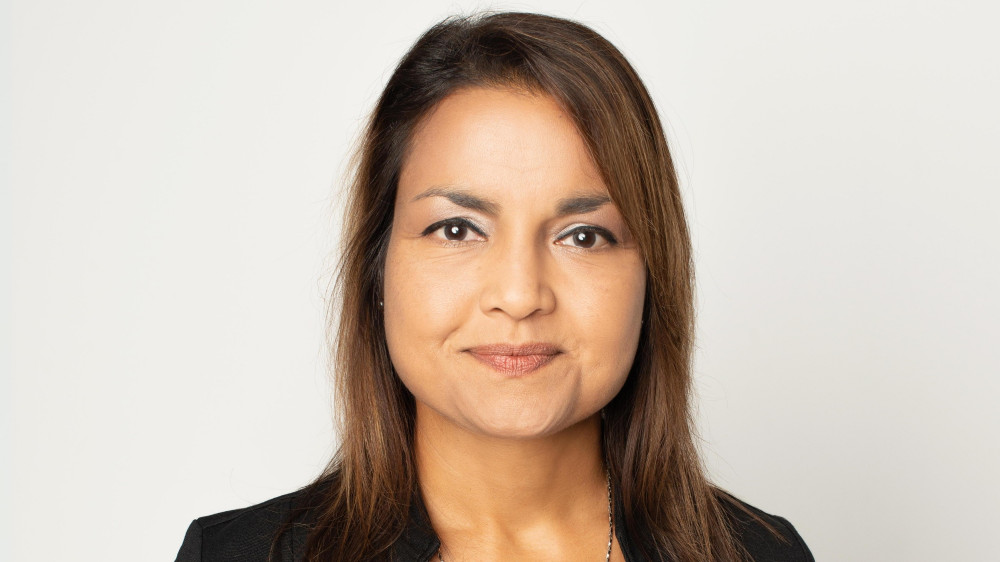
If you work in a skilled trade, as an artist, or in any profession perceived as "high-risk," you may have heard that getting disability insurance (Berufsunfähigkeitsversicherung or BU) is difficult or impossible. This is one of the most persistent and damaging myths that prevents people from securing essential income protection. In collaboration with Sandra John from LV 1871, we're dismantling this and other misconceptions to show that comprehensive financial security is within reach for the vast majority of professionals.
Myth 1: "Tradespeople and High-Risk Jobs Can't Get Disability Insurance"
Sandra John, LV 1871 Expert, clarifies: This blanket statement is misleading. Disability insurance for tradespeople is absolutely available. Insurers like LV 1871 offer specialized products, such as their "Golden BU" for skilled trades and industrial technicians, designed with flexible premiums and benefits that adapt to career progression, like advancing to a master craftsman. The key is working with an insurer that understands and caters to your specific occupational risks.
The Reality: While a tiny fraction of extremely high-risk roles (e.g., mountain guides, industrial divers) may face limitations, these are rare exceptions. For most tradespeople—carpenters, electricians, plumbers—obtaining robust income protection insurance is standard practice. The industry-wide rejection rate for applications remains in the low single digits, proving coverage is very achievable.
Myth 2: "Artists and Influencers Are Uninsurable"
This group presents unique underwriting challenges due to variable income and highly individualized job descriptions that may include risky activities. However, disability insurance for self-employed professionals like artists is not off the table. Insurers conduct a detailed risk assessment considering income stability, the specific nature of the work, and even the mental strain of public visibility. A specialized insurance broker can be invaluable in presenting your case effectively to underwriters.
Myth 3: "If You've Had Mental Health Treatment, You're Automatically Denied"
This outdated belief stops many from even applying. Modern insurers follow contemporary medical understanding. "We have never been an insurer that flatly rejects applicants due to psychological pre-existing conditions," states John. Instead, they use a nuanced approach. A history of successfully managed therapy, especially if you are symptom-free, does not mean automatic denial. Insurers may offer coverage with a risk-adjusted exclusion or standard terms based on a thorough review of diagnosis, treatment history, and current health. Being transparent during application is crucial.
| Common Disability Insurance Myth | The Reality for Applicants |
|---|---|
| High-risk jobs are uninsurable. | Most trades and professions are readily insurable with specialized policies. Very few extreme roles face limitations. |
| A history of psychotherapy leads to denial. | Modern underwriting assesses individual cases. Managed, stable mental health history often leads to offered coverage. |
| Insurers rarely pay claims. | Industry-wide, over 80% of disability insurance claims are approved. Denials are typically due to application errors or not meeting the policy's disability definition. |
| The application health questions are too complex. | Leading insurers continuously simplify questions. A good insurance advisor helps you navigate them accurately to avoid future claim issues. |
Myth 4: "Disability Insurers Rarely Pay Claims"
This is perhaps the most harmful myth. The truth is starkly different: over 80% of disability insurance claims are approved across the industry. Denials usually stem from two issues: 1) Inaccurate or incomplete information on the original application, or 2) The claimant's condition not meeting the specific policy definition of "disabled." This underscores the importance of full disclosure during application and understanding your policy's terms. For temporary disabilities, consider adding an inability-to-work rider (Arbeitsunfähigkeitsbaustein) to your BU policy for short-term coverage.
How to Successfully Secure Your Income Protection
- Consult a Specialist Broker: Don't assume you're uninsurable. An experienced insurance broker knows which insurers are friendly to your profession and can guide you through the application.
- Be Transparent and Accurate: Disclose your full health and occupational history honestly. Incomplete answers are the leading cause of claim denials.
- Understand the Policy: Work with your advisor to understand the definition of disability, benefit period, waiting period, and any exclusions.
- Choose an Insurer with a Strong Service Ethos: Look for companies known for personal claims support, like LV 1871's model of assigning a dedicated case manager, combined with digital tools for easy communication.
Dispelling these myths is the first step toward securing your financial future. Disability insurance is a cornerstone of financial planning for anyone who relies on their ability to work. By seeking expert advice and choosing the right provider, tradespeople, artists, and professionals from all walks of life can obtain the income protection they need to ensure financial independence, no matter what the future holds.
Ready to explore your options? Start with a professional disability insurance comparison here.