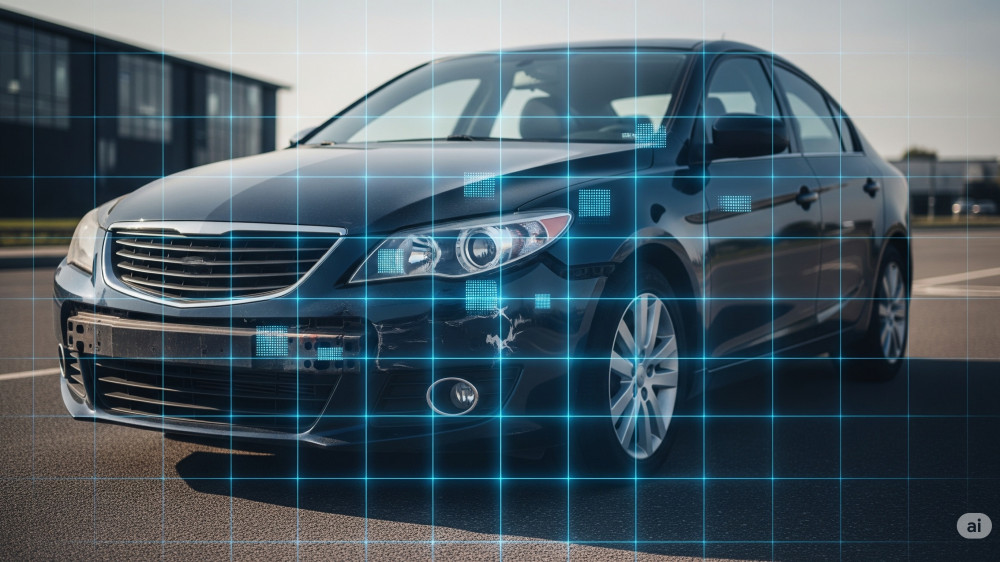
The New Frontier of Insurance Fraud: Combating AI-Generated Deepfakes
Imagine a perfectly realistic photo of a car accident that never happened, or a video of a staged slip-and-fall injury. With the rise of accessible artificial intelligence, this is no longer science fiction—it's a daily threat to the insurance industry. Deepfake technology, which creates hyper-realistic but entirely fabricated images, videos, and audio, is revolutionizing fraud. For US insurers, from property and casualty (P&C) to health and life insurance, this represents a paradigm shift. Relying on the human eye or basic photo analysis is no longer sufficient. This article explores how AI-powered fraud detection and specialized insurance forensics are becoming essential tools to combat this new wave of digital deception and keep premiums fair for everyone.
Why Deepfakes Are a Perfect Storm for Insurance Fraud
The tools to create convincing forgeries are now democratized. Platforms like Midjourney, DALL-E, and Runway ML allow anyone to generate high-resolution images and videos with simple text prompts. For fraudsters, this is a game-changer. They can now:
- Fabricate or Exaggerate Property Damage: Create images of non-existent hail damage, vandalism, or water leaks to support a false claim.
- Stage Personal Injury Incidents: Produce misleading video "evidence" of an accident or injury.
- Forge Documentation: Generate fake repair invoices, medical reports, or even notarized documents with convincing logos and signatures.
- Impersonate Policyholders: Use AI voice cloning or video to impersonate a customer during a claims call or verification process.
This escalation in fraud sophistication directly threatens the integrity of the claims process and, ultimately, drives up costs for all policyholders through higher premiums.
The Human Eye is Obsolete: The Need for Digital Forensics
Studies consistently show that humans are terrible at spotting high-quality deepfakes. Our intuition fails because these forgeries are engineered to look perfect at the surface level—lighting, shadows, skin textures, and perspectives are flawlessly rendered. The tell-tale signs are not in the "what" but in the "how." They exist in the digital DNA of the file:
| Forensic Analysis Method | What It Detects | Why It Works Against AI |
|---|---|---|
| Frequency Domain Analysis | Detects subtle, repeating mathematical patterns or anomalies in the image's frequency spectrum that are unnatural for a real camera sensor. | AI image generators (like GANs or Diffusion models) create images from noise, leaving behind unique algorithmic fingerprints in the frequency domain. |
| Metadata & EXIF Data Scrutiny | Checks the hidden data within a digital file for inconsistencies (creation software, editing history, GPS coordinates). | AI-generated images often have incomplete, generic, or suspicious metadata that differs from genuine camera output. |
| Deep Learning Detectors (e.g., LAISIE-style models) | Uses neural networks trained on millions of real and AI-generated images to identify microscopic texture patterns and lighting inconsistencies invisible to humans. | These models learn the "style" and artifacts of specific generators (Stable Diffusion, DALL-E) and can generalize to detect fakes from new, unseen AI tools. |
| Semantic Inconsistency Analysis | Flags illogical elements within a scene (e.g., reflections that don't match, impossible shadows, distorted text on objects). | While AI is great at rendering objects, it often fails to maintain perfect logical consistency across an entire complex scene. |
How Leading Insurers Are Implementing AI to Fight AI
To stay ahead, forward-thinking insurance carriers and third-party claims administrators are investing in specialized solutions. The key is moving beyond generic detection tools to industry-specific fraud detection platforms. These systems are trained not on random internet images, but on curated datasets of real-world insurance claims imagery—understanding the specific context of damage photos, injury documentation, and accident scenes.
A robust platform integrates several layers:
- Automated First-Pass Screening: Every submitted image or video is instantly analyzed by AI detectors as it enters the claims system, flagging high-risk files for expert review.
- Hybrid Human-AI Workflow: Flagged claims are routed to specialized forensic analysts who use advanced software tools to perform a deeper, multi-method investigation.
- Continuous Learning Loop: The system learns from newly detected fakes and evolving AI generator capabilities, constantly updating its detection models in an arms race with fraudsters.
What This Means for You, the Policyholder
This technological arms race is ultimately in your favor. Effective deepfake fraud prevention helps insurers:
- Pay Legitimate Claims Faster: By automating the screening of obvious fakes, adjusters can focus on honest claims.
- Control Costs and Stabilize Premiums: Reducing fraudulent payouts helps keep insurance more affordable for everyone.
- Maintain Trust in the System: Ensuring that the claims process is fair and based on genuine evidence protects the value of your policy.
As a customer, you can expect more rigorous digital verification during the claims process. Providing clear, original files from your phone's camera (with intact metadata) will help facilitate a smooth and legitimate claim.
Conclusion: The era of AI-generated insurance fraud is here, but the insurance industry is fighting back with equally sophisticated technology. The battle has moved from the visible to the microscopic, from intuition to algorithm. By deploying specialized forensic AI and deepfake detection tools, insurers are working to preserve the integrity of the claims ecosystem. This proactive defense is crucial not just for protecting corporate bottom lines, but for ensuring that the system remains trustworthy and sustainable for all honest policyholders. In the digital age, verifying reality itself has become a core function of insurance.
Advertisement
Note: The technologies and methods described are based on current industry trends and research. Specific tools and implementations vary by insurance carrier.