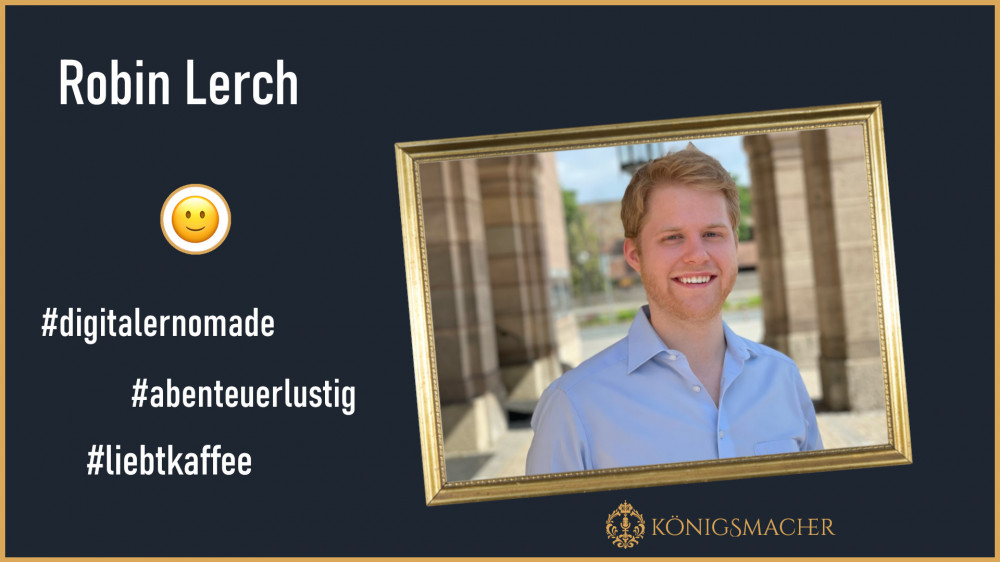
The Digital Nomad Insurance Agent: A Blueprint for Unconventional Success
Imagine building a thriving insurance agency or financial advisory practice without a website, without active social media marketing, and while traveling the world as a digital nomad. It sounds impossible in today's digital-first landscape, especially in the competitive US markets for health insurance, life insurance, and financial planning. Yet, this is exactly the path Robin Lerch, founder of a specialized brokerage and winner of the 2022 Young Insurance Broker Award in Germany, successfully charted. His story isn't just about remote work; it's a masterclass in niche marketing, strategic partnerships, and authentic client acquisition that any US-based agent or advisor can learn from. Let's explore his counter-intuitive strategies and how you can apply them.
Defying Convention: Launching Without a Digital Footprint
Your first instinct when starting an insurance business might be to build a website, launch LinkedIn campaigns, and create Instagram content. Robin Lerch did the opposite. He started his company targeting digital nomads—a highly online demographic—without a website and deliberately avoided social media marketing. This seems paradoxical. How can you reach an online audience without an online presence? His success, generating up to 50 consultation appointments per week, proves that traditional digital marketing is not the only path. The key lies in understanding where your niche truly "lives" online and providing unparalleled value there.
The Core Strategy: Partnering with "Target Group Owners"
Robin's primary strategy bypassed broad-reach marketing entirely. Instead, he focused on target group owners. These are individuals or organizations that already have the trust and attention of your ideal client. In the US context, this could be:
- Coaches & Consultants: Business coaches for freelancers, travel bloggers, or expat advisors.
- Community Leaders: Admins of popular Facebook groups for remote workers, RV travelers, or expatriates.
- Influencers & Content Creators: YouTubers or podcasters focused on location-independent lifestyles.
- Professional Associations: Groups for freelancers, consultants, or specific remote professions.
Robin didn't try to build an audience from scratch. He integrated himself into existing communities as a dedicated expert. He collaborated with a coach for digital nomads, helping the community find the perfect international health insurance solutions. He provided so much value and business that the insurance provider eventually opened a German branch to support the demand. For you, this could mean partnering with a financial podcast for freelancers to offer disability insurance audits or becoming the go-to Medicare expert in a retirement-focused online community.
Becoming the Trusted Expert in Online Communities
Once you identify the right communities (e.g., specific Facebook groups, Reddit forums, Discord servers), your goal is not to advertise but to contribute. Here’s how Robin positioned himself, and how you can too:
- Provide Free, High-Value Answers: Actively monitor discussions. When someone asks about travel insurance, expat health coverage, or income protection, offer detailed, helpful advice without an immediate sales pitch.
- Create Foundational Resources: Develop a simple guide (e.g., "5 Critical Insurance Policies for US Digital Nomads") and share it freely within the community. This establishes your expertise.
- Get "Tagged" as the Expert: Consistency is key. Over time, community members will start tagging you in relevant posts. Robin reached a point where people in Facebook groups would mention him by name when insurance questions arose. This organic recognition is more powerful than any ad.
Evolving the Strategy: Adding Focused Content Marketing
After establishing a strong referral engine through partnerships, Robin later added a lean, high-impact content strategy. Notably, with a YouTube channel of only 800 subscribers, he generated 3 qualified leads per week. His approach highlights quality over quantity:
- Hyper-Specific Topics: His videos address the precise, complex questions his niche faces (e.g., "Health Insurance for US Citizens Working Remotely in Europe").
- SEO-Driven: Content is optimized for the specific long-tail keywords his clients search for, like "international medical insurance for Americans" or "best life insurance for frequent travelers."
- Authenticity: As a practicing digital nomad, his content carries inherent credibility. He films from his current location, discussing real challenges.
Key Takeaways for US Insurance Agents & Financial Advisors
Robin Lerch's model demonstrates that in a crowded market, deep specialization and community integration beat broad, generic marketing. Here’s your action plan:
| Traditional Approach | Robin Lerch's / Niche-First Approach | Your Action Step |
|---|---|---|
| Build a general website for everyone. | Identify and embed yourself in 2-3 specific online communities where your niche gathers. | Join relevant Facebook Groups or forums. Spend 30 minutes daily providing helpful comments. |
| Advertise on broad social media platforms. | Partner with 1-2 "target group owners" (coaches, influencers, community leaders). | Reach out to a niche podcast host and offer to provide a free, valuable resource for their audience. |
| Create content about general insurance topics. | Create deep-dive content answering your niche's most urgent, specific questions. | Write a definitive guide or record a video on a major pain point (e.g., "Navigating Medicare While Snowbirding"). |
| Work from a traditional office. | Embrace location independence to better understand and connect with a mobile niche. | Consider how remote work tools can allow you to serve clients in a specific geographic niche (e.g., military families) from anywhere. |
Whether your niche is digital nomads, retiring expats, freelancers, or small business owners, the principle remains: go deep, not wide. By becoming the undisputed expert within a specific community and leveraging strategic partnerships, you can build a sustainable, location-independent practice that thrives on trust and relevance, not just advertising spend.