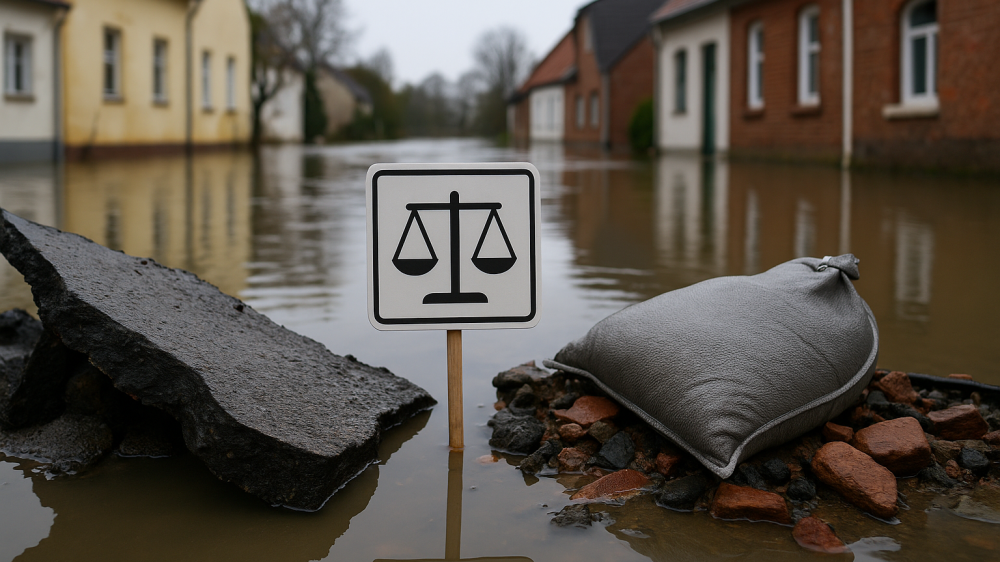
When Flood Insurance Fails: The Legal Battle Over Baltic Sea Storm Surge Denials
You paid for flood insurance to protect your home from natural disasters. But what happens when the disaster strikes and your insurer denies your claim based on a single, ambiguous word in the fine print? This is the harsh reality facing hundreds of homeowners along the German Baltic Sea coast after the devastating October 2023 floods. Despite holding natural hazard insurance (Elementarschadenversicherung) as an add-on to their standard homeowners policies, victims are being denied compensation. Insurers are invoking a contractual exclusion for damages caused by a "storm surge" (Sturmflut). In response, major consumer protection organizations are preparing a landmark class action lawsuit (Musterfeststellungsklage) to challenge this practice. This case highlights a critical issue for property owners everywhere: the dangerous gap between purchasing insurance and actually receiving coverage when catastrophe hits.
The Core Dispute: Is a Baltic Sea Flood a "Storm Surge"?
The conflict centers on the interpretation of a key term. Homeowners believed their flood insurance would cover the inundation caused by a severe storm over the Baltic Sea—a large, semi-enclosed body of water. However, insurers are arguing that the event qualifies as a "storm surge," a term often excluded or narrowly defined in policies.
- The Consumer Perspective: As Stephen Rehmke of the German Insurance Consumer Federation (BdV) states, the denial feels like a betrayal. Homeowners proactively purchased extra coverage for exactly this type of natural peril. The distinction between a "flood" and a "storm surge" in an inland sea seems like a legalistic loophole, not a clear, communicated exclusion.
- The Insurance Stance: Insurers rely on the specific contractual language. If the policy excludes "storm surges," and their meteorological analysis defines the event as such, they have a contractual basis for denial.
This situation exposes a fundamental problem in insurance: opaque policy language that consumers cannot reasonably understand until it's too late.
The Path to a Class Action: What's Happening Now
Led by the BdV and consumer advice centers in several northern German states, the planned lawsuit aims to achieve legal clarity. Its success hinges on two factors:
| Requirement | Current Status | Impact |
|---|---|---|
| Minimum of 50 Comparable Cases | Organizations are gathering affected homeowners to join the collective action. | This demonstrates a widespread, systemic issue rather than an isolated dispute. |
| Funding for Legal Costs (~€60,000) | Raising funds through designated donations. Funds will be returned if the goal isn't met. | Highlights the financial barrier consumers face when challenging large insurance companies. |
The lawsuit's primary goal is to determine if the use of the term "storm surge" in this context is permissible, or if it constitutes an unfair contractual term that misleads policyholders about their actual coverage.
Broader Implications: A Precedent for Natural Disaster Insurance Worldwide
The outcome of this case will resonate far beyond the Baltic coast. It touches on universal themes in property insurance, relevant for homeowners in flood-prone areas of the U.S. dealing with FEMA's NFIP or private flood insurers.
- For Policyholders: A win could force insurers to use clearer, more intuitive language in policies, making it easier to understand what is and isn't covered before a storm hits.
- For Insurers & Agents: A ruling against the insurers could mandate changes in policy wording and place a greater burden on agents and companies to explicitly explain these critical exclusions during the sales process.
- For the Industry: It underscores the growing tension between actuarial risk modeling (which leads to narrow exclusions) and consumer expectations for comprehensive disaster protection.
What This Means for You as a Homeowner
Whether you live near a coast, a river, or in an area prone to wildfires, this situation is a crucial lesson in insurance literacy.
- Demand Clarity on Exclusions: When purchasing or reviewing your homeowners or flood insurance, don't just ask "Am I covered for floods?" Ask: "What specific events are excluded? How do you define a 'storm surge,' 'flood,' or 'surface water'?"
- Review Your Policy Annually: Don't file your policy away. Understand its definitions section. If terms are unclear, ask your agent for written clarification.
- Document Everything: In the event of damage, document the event thoroughly with photos and videos. Note weather reports and official descriptions of the event (e.g., was it called a "coastal flood" or a "storm surge" in news reports?).
- Know Your Rights: If a claim is denied, seek a second opinion. Contact your state's department of insurance or a consumer protection agency. You have the right to challenge the decision.
The Baltic Sea flood case is a stark reminder that insurance is a promise—and the fine print defines the limits of that promise. By advocating for transparency and challenging ambiguous clauses, consumers and their advocates are fighting not just for compensation, but for a system where the promise of protection is real and reliable.