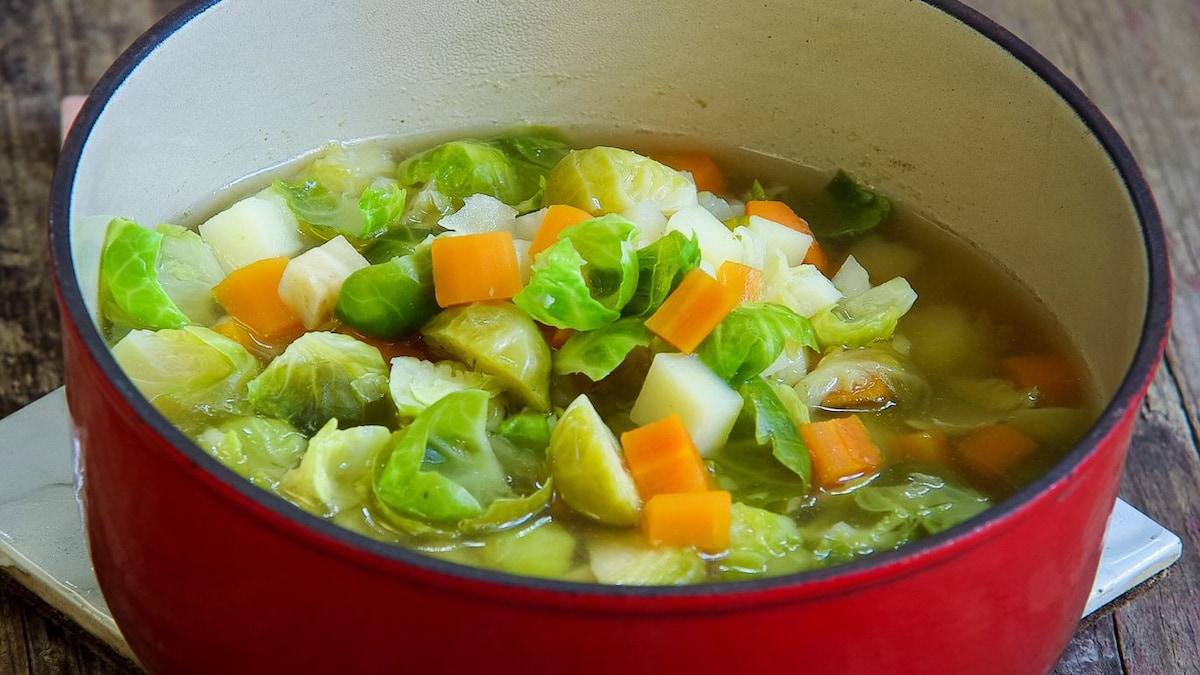
Immune-Boosting Soups: What Your Body Really Needs During Cold Season
When cold and flu season hits, you might find yourself reaching for a warm bowl of soup. But is this just a comforting tradition, or is there real science behind it? Let's explore the ingredients and benefits of soups that deliver essential nutrients your body needs to fight off illness and support overall health.
The Science Behind Chicken Soup: More Than Just Comfort Food
You've probably heard that chicken soup is good for a cold. But did you know there's some scientific backing to this claim? U.S. researchers have found that ingredients in chicken soup can inhibit the activity of certain white blood cells called neutrophils. These cells are partially responsible for inflammation and swelling in your nose and throat. Less activity means reduced cold symptoms.
Additionally, the hot steam acts as a turbocharged mucus dissolver for your respiratory tract. Imagine your nose getting a wellness sauna treatment. Beyond this, chicken provides cysteine, an amino acid with anti-inflammatory properties. So while large-scale clinical studies are limited, the "folk wisdom" persists for good reason—it's a multi-target remedy that addresses several symptoms at once.
Key Ingredients That Make Soups Powerful Immune Boosters
Whether you prefer chicken soup or plant-based alternatives, certain ingredients make soups particularly effective during illness:
- Hot Liquid: Helps thin mucus, soothes sore throats, and keeps you hydrated.
- Protein Sources: Chicken, lentils, or beans provide building blocks for immune cells.
- Anti-inflammatory Spices: Ginger, turmeric, and garlic reduce inflammation naturally.
- Vegetable Nutrients: Carrots, celery, and onions offer vitamins and antioxidants.
You don't necessarily need chicken to benefit. The "chicken soup effect" comes from hot liquid combined with nutrient-dense ingredients. Perfect alternatives include hearty vegetable soups, lentil stews, or spicy Asian-style broths.
Turbo Ginger-Turmeric Lentil Soup: A Vegan Immune-Boosting Alternative
Here's a plant-based recipe that rivals traditional chicken soup in both flavor and immune-supporting properties. This warming, spicy, and nutritious soup uses ingredients known for their health benefits.
Ingredients (serves 2-3):
- 1 tablespoon olive oil
- 1 onion, chopped
- 2 cloves garlic, minced
- 1 tablespoon fresh ginger, grated
- 1 teaspoon turmeric powder
- 1 cup red lentils, rinsed
- 4 cups vegetable broth
- 1 carrot, diced
- 1 celery stalk, chopped
- Salt and pepper to taste
- Fresh cilantro for garnish
Preparation (faster than your next sneeze):
- Heat olive oil in a large pot over medium heat.
- Sauté onion, garlic, and ginger until fragrant (about 3 minutes).
- Add turmeric and stir for 30 seconds to release its compounds.
- Add lentils, vegetable broth, carrot, and celery.
- Bring to a boil, then reduce heat and simmer for 20-25 minutes until lentils are tender.
- Season with salt and pepper. Serve with fresh cilantro and a dollop of yogurt or vegan alternative.
Tip: This soup freezes well, so make a double batch for future quick meals when you're feeling under the weather.
Why Soup Works: The Multi-Target Approach to Wellness
In medical terms, effective soups create a "multi-target effect." They address multiple symptoms simultaneously through different mechanisms:
| Symptom | How Soup Helps |
|---|---|
| Congestion | Hot steam loosens mucus |
| Inflammation | Anti-inflammatory ingredients reduce swelling |
| Dehydration | Broth provides fluids and electrolytes |
| Low Energy | Easily digestible nutrients provide quick energy |
| Sore Throat | Warm liquid soothes irritated tissues |
This combination of effects explains why soup has remained a go-to remedy across cultures and generations.
Incorporating Immune-Supporting Soups Into Your Diet
You don't need to wait until you're sick to benefit from these nutritious soups. Consider making them a regular part of your meal planning, especially during colder months when your immune system faces more challenges. Keep these tips in mind:
- Prepare soups in batches and freeze individual portions
- Experiment with different spice combinations
- Include a variety of colorful vegetables for diverse nutrients
- Adjust recipes based on what's in season
Remember, the most effective soups are those made with care and attention to ingredient quality. Whether you follow a traditional family recipe or try new variations, the key is regular consumption of warm, well-seasoned, and lovingly prepared soups.
While more research is always welcome, the combination of traditional wisdom and emerging science suggests that certain soups do indeed provide ingredients your body really needs—especially when fighting off seasonal illnesses. So next time you feel a cold coming on, don't hesitate to ladle up a bowl of healing goodness.