From Groceries to Growth: Can You Really Start Investing at the Supermarket Checkout?
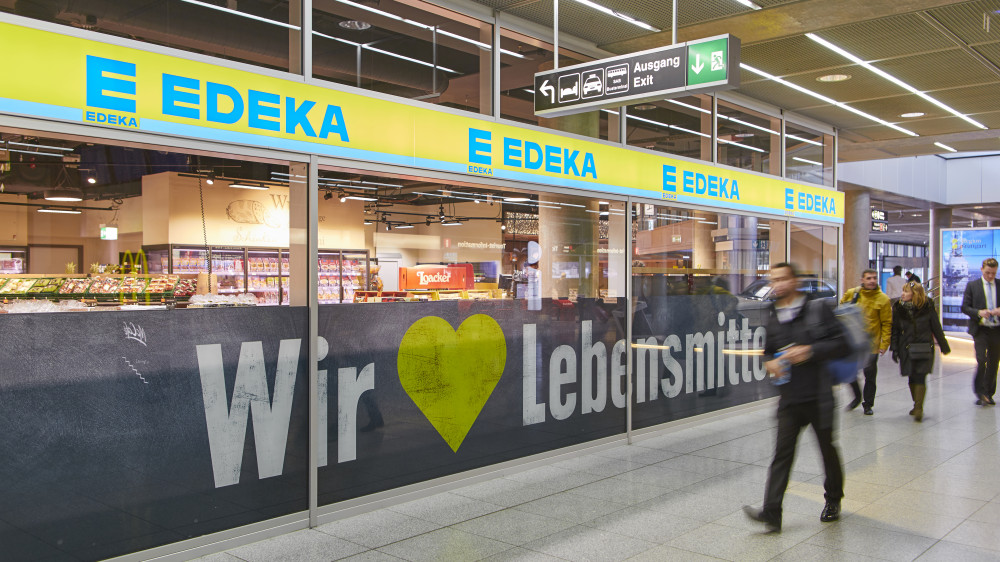
Imagine this: you're at the checkout line, and next to the candy and magazines, you see a display for investment vouchers. This is now a reality in many EDEKA supermarkets across Germany, thanks to a partnership with the financial service provider quirion. This innovative model aims to demystify and democratize investing by making the first step as simple as buying a gift card. But is buying an ETF investment voucher with your groceries a smart move for your long-term financial goals? Let's explore how it works and what it means for your journey toward wealth building and financial independence.
How Does Supermarket Checkout Investing Work?
The process is designed to be frictionless, mirroring a familiar retail experience:
- Purchase a Voucher: At the EDEKA checkout, you can choose a physical voucher card in denominations of €25, €50, or €100.
- Activate and Redeem Online: The cashier activates the card. Later, you visit quirion's website, redeem the code, and the value is credited to your investment account.
- Onboard or Invest: If you're a new customer, you complete a digital onboarding process, including a risk profile assessment to determine a suitable ETF-based portfolio. Existing customers can simply apply the voucher to top up their existing investment account.
To support this, quirion has eliminated its previous minimum investment requirement, allowing regular savings plans to start from just €25.
The Strategic Goal: Lowering Barriers to Entry
This initiative targets a specific challenge: financial inclusion. Many people are intimidated by traditional finance or don't know where to start. By placing the entry point in a mundane, non-intimidating environment like a supermarket, quirion hopes to reach those who have never considered capital market investing. As CEO Martin Daut stated, the goal is to connect the "offline retail world with our digital online world." This taps into a growing German interest in ETFs, with studies showing many believe they are suitable for long-term wealth accumulation.
Key Benefits of This Model for New Investors
| Benefit | Explanation |
|---|---|
| Extreme Accessibility | Removes the initial hurdle of visiting a bank or navigating a complex website. The first step is a simple retail purchase. |
| Psychological Ease | Framing it as a "voucher" or "gift card" can feel less daunting than making a formal "investment." |
| Low Entry Point | Starting with €25 makes it possible for almost anyone to begin, promoting the habit of regular investing. |
| Gateway to Education | The subsequent online process introduces users to key concepts like risk profiling and diversified ETF portfolios. |
| Promotes Regular Saving | The model naturally lends itself to turning sporadic voucher purchases into a disciplined savings habit. |
Important Considerations and Due Diligence
While innovative, this approach requires the same careful consideration as any financial product:
- Understand the Underlying Product: You are ultimately investing in quirion's digital wealth management service, which uses ETFs. Research their fee structure (a transparent asset management fee), investment philosophy, and regulatory status.
- It's a Long-Term Commitment: The voucher is just the entry ticket. Successful investing requires a long-term perspective and regular contributions, not one-off purchases.
- Not a Substitute for Comprehensive Planning: This is a tool for asset accumulation. It does not replace holistic financial planning that includes insurance, debt management, and retirement strategy.
- Compare with Direct Options: You could also open an account directly with a low-cost online broker or robo-advisor. The supermarket voucher's value is in its unique accessibility.
A US Reader's Perspective: Innovation in Financial Access
While not yet common in US supermarkets, the concept of lowering investment barriers is a major trend. In the US, apps like Acorns use "round-up" features to invest spare change from everyday purchases, and platforms like Robinhood popularized commission-free stock trading. The core idea is similar: use technology and behavioral psychology to integrate investing into daily life. The German supermarket voucher is a physical, offline twist on this digital trend. For Americans, the lesson is to evaluate any "easy entry" investment product by its underlying costs, investment strategy, and how it fits into your broader retirement planning (e.g., alongside your 401k or IRA).
Conclusion: A Promising Step Towards Broader Participation
The EDEKA and quirion partnership represents a creative attempt to solve the problem of investor inertia. By meeting people where they are—literally—it has the potential to bring new participants into the capital markets and foster positive financial habits. If you're considering it, view the voucher as a catalyst. Use it as a reason to engage with the accompanying educational content, understand the associated ETF portfolio strategy, and commit to a plan of regular contributions. In a world where saving alone is insufficient for retirement security, such innovations that make investing approachable are a welcome development for building your financial future.