Expat Insurance in Germany: Your Essential Guide to Smart Coverage
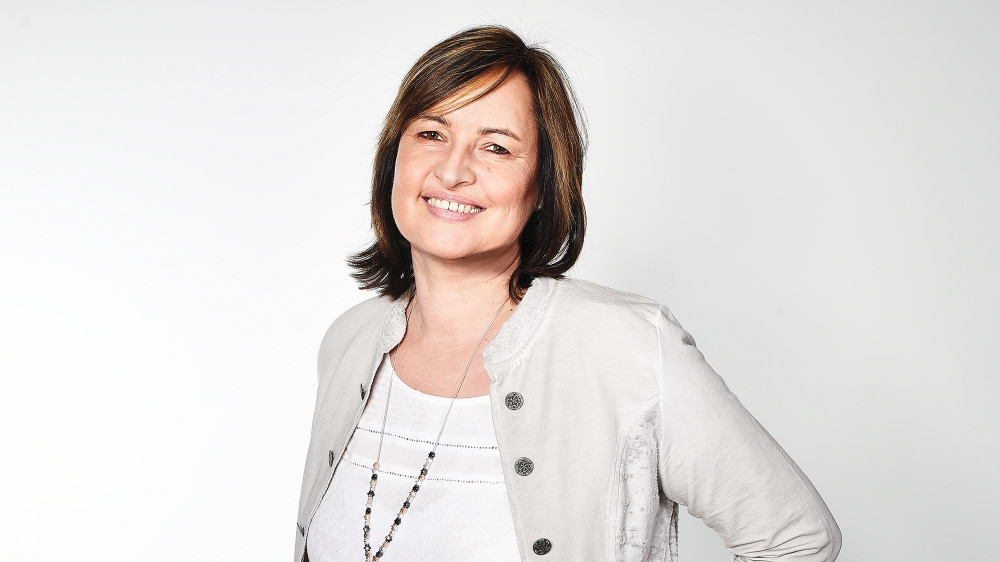
As an expat moving to Germany, navigating the insurance landscape is crucial for your legal status, financial security, and peace of mind. Choosing the wrong coverage can lead to expensive complications and legal hurdles. We spoke with Martina Martínez, Head of the Expat Department at CR&CIE, to get expert advice on building a solid insurance portfolio for your new life.
Mandatory Insurance for Expats in Germany: The Non-Negotiables
Martina Martínez: For expats, health insurance (Krankenversicherung) and personal liability insurance (Privathaftpflichtversicherung) are absolutely essential, as both can be existential in case of doubt. Additionally, legal protection insurance (Rechtsschutzversicherung) can be sensible, as expats are often unfamiliar with German legal specifics and may face disputes. If you have family members, securing them with term life insurance (Risikolebensversicherung) and disability insurance (Berufsunfähigkeitsversicherung) is also recommended.
Understanding the German Health Insurance System
Germany has a dual system: Statutory Health Insurance (GKV) and Private Health Insurance (PKV). Your choice depends on your income, employment status, and duration of stay. Selecting the wrong model at the start can lead to costly difficulties later, including visa rejections or gaps in coverage.
| Insurance Type | Best For | Key Features | Considerations for Expats |
|---|---|---|---|
| Statutory Health Insurance (GKV) | Employees earning under €69,300 (2025 threshold), students, trainees | Standardized benefits, family members often covered free, income-based premiums | Mandatory for most employees. Simplifies visa/residence permit applications. |
| Private Health Insurance (PKV) | Self-employed, high-earning employees (above income threshold), civil servants, academics | Tailored coverage, often shorter wait times, age & health-based premiums | More complex to switch out of later. Requires thorough comparison. |
| Expat / Incoming Health Insurance | Short-term assignments, visa applicants, freelancers awaiting work permits | Flexible duration, meets visa requirements, English support | Usually a temporary solution. Must transition to GKV/PKV for long-term stays. |
| European Health Insurance Card (EHIC) | EU/EEA citizens temporarily working or studying in Germany | Covers necessary medical care during temporary stay | NOT a substitute for proper German health insurance if you are employed or resident. |
How to Find the Best Insurance Offers in Germany
While comparison portals like Check24 exist, expat requirements are so specific that choosing the wrong coverage online is easy due to lack of knowledge. Some expat-specialized providers have user-friendly websites but offer a limited selection of insurers (often only one provider per line), resulting in a restricted market view.
Therefore, it's wise to consult an independent, expat-specialized advisor who can select individual offers from the entire market, such as CR&CIE. Independent expat forums like ToyTown Germany are also valuable for unbiased exchanges and contacts with specialized advisors.
Analogy for US Expats: Navigating a New System
For Americans, think of GKV as similar to a combination of Medicare and employer-sponsored plans—it's a regulated, broad-coverage system. PKV is more akin to comprehensive private health insurance plans in the US, offering more choice at a variable cost. Just as you wouldn't rely solely on Medicaid without checking state-specific rules, don't assume your home country insurance or travel policy suffices for German residency. The rules are strict and non-compliance can jeopardize your visa.
Securing Your Family: A Holistic Approach
You can take out family tariffs for personal liability and legal protection insurance. It's also sensible to provide financial security for your family with term life insurance or income protection (e.g., disability insurance). In health insurance, family planning is considered from the outset: dependents may be covered free of charge in GKV, while PKV requires individual premiums. A solid savings and investment strategy for long-term residents, along with a robust insurance plan, is essential. The same recommendations apply as for German citizens.
The Role of Local Networks and Communities
Networks can be helpful for recommending trusted advisors. However, misunderstandings and misinformation often occur when individuals with "dangerous half-knowledge" give well-intentioned advice. Information from laypersons should be consumed with caution!
Generally, networks offer valuable support and information for settling in and daily life. Communities help avoid social isolation and build a support network. Through experience sharing, expats can learn from others' experiences and better prepare for challenges in the new environment.
Your Expat Insurance Checklist: First Steps in Germany
- Prioritize Health Insurance: Secure compliant health coverage before applying for your visa or residence permit. This is often the first document authorities request.
- Get Personal Liability Insurance: This inexpensive policy protects you from massive costs if you accidentally cause injury or property damage.
- Consult a Specialized Broker: Engage an independent advisor who understands both the German market and unique expat circumstances (visa types, tax implications, future plans).
- Review Your Existing Coverage: Check if your home country policies provide any international coverage, but don't rely on them as primary protection in Germany.
- Plan for Your Family: Inquire about family inclusions in policies and consider long-term financial protection like life and disability insurance.
- Document Everything: Keep all insurance policies, correspondence, and payment records in both English and German.
Conclusion: Invest Time in Getting Insurance Right
Your insurance portfolio is a foundational element of a successful expat life in Germany. A wrong choice can lead to financial strain, legal issues, and stress. By understanding the mandatory requirements, seeking expert advice, and planning for your family's future, you can build a safety net that allows you to thrive in your new home. Start your insurance planning early—it's one of the smartest investments you'll make for your German adventure.