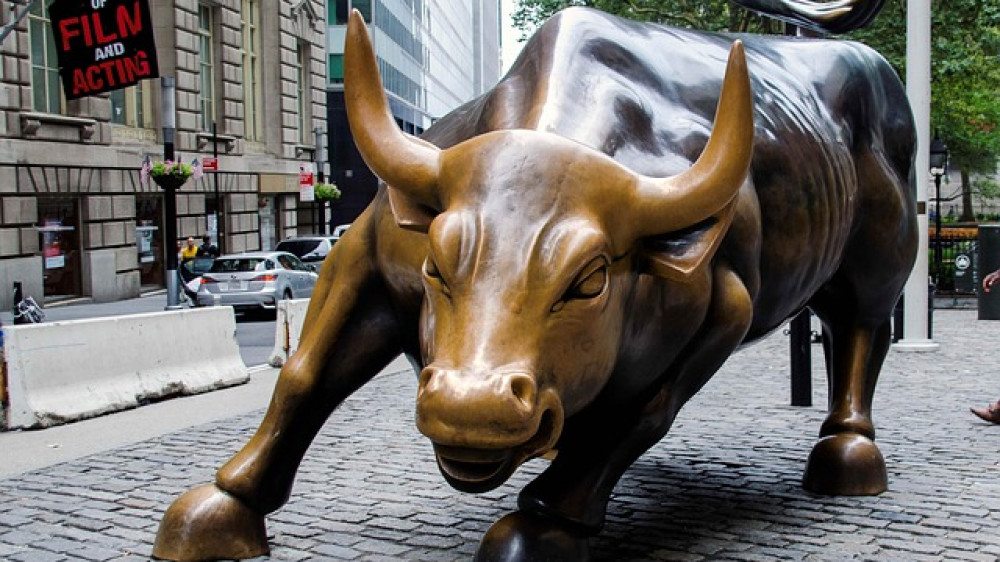
Former Central Bank Chief Economist Warns of New Financial Crisis
Ten years after the collapse of Lehman Brothers brought the global financial system to its knees, are we any safer? According to William White, the former chief economist of the Bank for International Settlements (BIS)—often called the "central bank for central banks"—the answer is a resounding no. In a stark warning, White argues that the fundamental problems of 2008 were never solved but have instead intensified, creating a powder keg of global debt and financial instability. For you as an investor or saver, understanding these systemic risks is crucial for protecting your portfolio.
A Voice Worth Heeding: The Man Who Predicted the Last Crisis
William White is no alarmist. As the former head of the BIS's Monetary and Economic Department, he was a leading thinker for the world's central banks. His credibility is bolstered by the fact that he was one of the few prominent economists to warn of a systemic collapse before 2008. When he speaks about financial vulnerabilities, the market listens. His current assessment, shared with Der Spiegel, is deeply concerning: "The problems that underlay the Lehman crisis have never been overcome. On the contrary: they have intensified."
The Unintended Consequences of Crisis Management
White identifies a critical flaw in the post-2008 response. While government stimulus programs and credit forbearance quickly halted the recession, they also "prevented a necessary market cleansing." By propping up uncompetitive firms and delaying necessary adjustments, these policies created what economists call "zombie companies"—businesses that survive only due to cheap credit but generate no real economic growth. This has stifled productivity and innovation, storing up problems for the future.
Three Escalating Risks That Threaten Stability
White outlines several areas where risks have grown, not diminished, since 2008.
1. The 'Too Big to Fail' Problem is Bigger Than Ever
While financial regulation was strengthened—with higher capital requirements, resolution plans, and European supervision—the fundamental issue of systemically important financial institutions (SIFIs) persists. Banks are now even larger and more interconnected, making them impossible for governments to let fail. This implicit guarantee encourages excessive risk-taking, known as moral hazard. Meanwhile, central banks have largely exhausted their traditional policy tools (like interest rate cuts), leaving them with less ammunition to fight the next downturn.
2. Global Debt at Record and Unsustainable Levels
This is White's most pressing concern. A decade of ultra-low interest rates has flooded markets with cheap money, incentivizing massive borrowing by governments, corporations, and households.
- The Staggering Number: According to the Institute of International Finance (IIF), global debt has reached a record €200 trillion ($215.5 trillion).
- The Scale: This figure represents approximately 325% of global annual economic output (GDP).
This debt mountain is a key vulnerability. As the U.S. Federal Reserve and other central banks raise rates, the cost of servicing this debt rises, squeezing borrowers—especially corporations in emerging markets that borrowed heavily in U.S. dollars.
3. The Search for Yield Fuels Dangerous Products
With safe assets offering meager returns, investors and institutions are pushed into riskier territory to meet yield targets. This "search for yield" creates fertile ground for complex, opaque, and potentially toxic financial products to proliferate, reminiscent of the mortgage-backed securities that triggered the last crisis.
White's Prescription: A Call for 'Anti-Cyclical' Policy
White argues that central banks are stuck in perpetual crisis mode. "The response to the stock market crash of 1987 was: We print money. And so it continued. After each crisis, interest rates are lower and debts are higher. We are therefore reaching a limit."
His solution is for policymakers to adopt a truly anti-cyclical approach. During periods of strong global growth—like the pre-2018/2019 period he referenced—central banks should be raising interest rates and tightening policy to cool excesses and build buffers. Instead, they have often remained accommodative, fueling further asset bubbles and debt accumulation.
What This Means for Your Investment and Financial Planning
While White's warning is macroeconomic, it has direct implications for your personal finances:
- Prioritize Capital Preservation: In a fragile system, avoiding large losses becomes as important as seeking gains. Ensure your portfolio has a solid foundation of high-quality assets.
- Reduce Personal Debt: High levels of household debt make you vulnerable to economic shocks (job loss, rising interest rates). Work towards reducing high-cost personal debt to strengthen your financial resilience.
- Diversify Geographically and Across Asset Classes: Don't be overexposed to any single economy or asset class. Consider allocations to assets that may hold value during market stress, such as certain commodities or currencies.
- Scrutinize 'Yieldy' Investments: Be exceptionally wary of complex products promising high returns with low risk. If you don't fully understand it, don't invest in it.
- Maintain a Long-Term Perspective: Market cycles and crises are inevitable. A well-constructed, diversified portfolio aligned with your long-term goals is your best defense against short-term volatility.
Conclusion: Preparedness Over Panic
William White's analysis is not a prediction of an imminent crash but a sobering diagnosis of a financial system that has treated the symptoms of 2008 while allowing the underlying disease to worsen. For you, the key takeaway is not to panic but to prepare. By understanding these systemic risks, managing your personal balance sheet prudently, and investing with discipline and diversification, you can navigate uncertainty and protect your financial future, regardless of what the global economy brings next.
The lessons of 2008 should have been about sustainable growth and resilience. White's warning suggests we may need to learn them all over again—the hard way. Your job is to ensure your finances are ready.