Nutella Greenwashing Scandal: Consumer Reactions to ZDF's Exposé and What It Means for You
When a ZDF documentary recently investigated Nutella's environmental claims, it ignited a fiery debate among consumers. The report alleged that the popular hazelnut spread engages in greenwashing—presenting an eco-friendly image that doesn't match its actual practices. As readers reacted passionately, several key themes emerged: skepticism about public broadcasting, concerns about product quality, and divided opinions about ethical consumption. Let's explore what this controversy reveals about modern consumer attitudes and how you can make informed choices about the products you buy.
The Greenwashing Allegations: What ZDF Uncovered
The documentary suggested that Nutella's parent company, Ferrero, makes sustainability claims that don't align with its actual environmental impact. While specific findings varied, the report highlighted potential discrepancies between marketing messages and production realities. This taps into broader concerns about corporate transparency and whether major food brands prioritize profits over genuine environmental responsibility.
Consumer Reactions: Seven Key Perspectives
1. Criticism of Public Broadcasting (22%)
Nearly a quarter of respondents questioned the ZDF report's value and funding. Common complaints included:
- "Pointless travel/research financed with our contributions"
- "One-sided or exaggerated reporting"
- Calls for reduced public broadcasting fees
- Concerns about high salaries in public media
These reactions reflect broader debates about media funding and perceived bias in investigative journalism.
2. Health and Quality Concerns About Nutella (17%)
Many readers focused on nutritional aspects rather than environmental claims:
- "Nutella contains over 80% fat and sugar—it should require a prescription"
- Criticism of recipe changes that increased palm oil and reduced cocoa content
- Complaints about declining taste quality over time
- Concerns about high prices for what some see as "basically (palm) fat with sugar"
These comments highlight how health consciousness influences purchasing decisions alongside environmental considerations.
3. Greenwashing as Systemic Problem (13%)
Some readers saw the Nutella case as part of a larger pattern:
- "Greenwashing is consumer fraud, and I fear more companies do it than many believe"
- "Which major corporations don't do this?"
- Recognition that greenwashing is sometimes "demanded" by market pressures
This perspective suggests growing consumer cynicism about corporate sustainability claims.
4. Taste and Price as Primary Factors (12%)
A significant group prioritized sensory and economic considerations:
- "I don't care. The stuff tastes good, no matter how or where it's produced"
- "I buy a product because I like the taste and can afford it"
- Some explicitly stated they avoid Nutella for health reasons despite liking the taste
This highlights the ongoing tension between ethical values and practical consumer behavior.
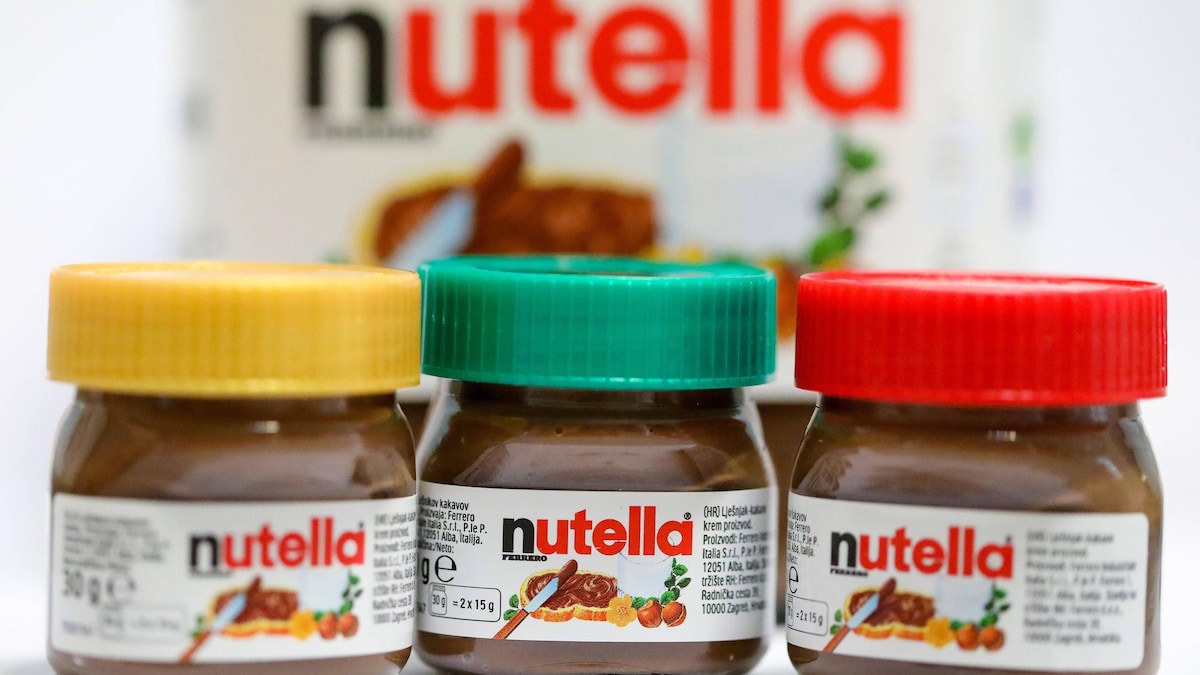
5. Clarifying the Green Lid's Meaning (8%)
Many participants corrected misconceptions about Nutella's green-lidded version:
- "The green lid shows me it's vegan—great for my lactose intolerance"
- "Vegan doesn't necessarily mean sustainable—that's a misconception"
- Recognition that the lid indicates absence of milk powder, not environmental credentials
This confusion illustrates how packaging colors can be misinterpreted by consumers.
6. Condemning Consumer Deception (7%)
Some readers drew parallels between different types of misleading marketing:
- Equating greenwashing with misleading vegan product labeling
- Seeing both as equally problematic forms of "consumer fraud"
- Reference to other investigative food journalism exposing industry practices
7. Ironic and Satirical Comments (21%)
The remaining responses included humorous takes:
- "Surprise: industrial companies produce their goods industrially"
- Jokes about EU officials eating Nutella for breakfast
- Sarcastic remarks about media sensationalism
What This Debate Means for You as a Consumer
This controversy raises important questions about how to navigate an increasingly complex marketplace:
| Consumer Priority | What to Consider | Practical Action |
|---|---|---|
| Environmental Impact | Look beyond packaging claims to actual practices | Research company sustainability reports and third-party certifications |
| Health Concerns | Understand nutritional content and ingredients | Read labels carefully; compare with alternatives |
| Budget Considerations | Balance ethical preferences with financial reality | Determine what premium you're willing to pay for values alignment |
| Taste Preferences | Acknowledge that enjoyment matters in food choices | Experiment with alternatives that meet both taste and ethical standards |
How to Spot Greenwashing in Food Products
Protect yourself from misleading claims with these strategies:
- Look for specific details: Vague terms like "eco-friendly" or "natural" are red flags
- Check for certifications: Legitimate eco-labels (Fair Trade, Rainforest Alliance) require verification
- Research the company: Investigate their overall environmental record, not just product claims
- Understand packaging: Colors and imagery can create false impressions (green doesn't always mean sustainable)
- Consider the big picture: A single "green" attribute doesn't make a product environmentally responsible
The Bigger Picture: Ethical Consumption in a Complex World
This debate reflects broader tensions in modern consumer culture. While many want to make ethical choices, practical constraints—budget, taste preferences, convenience—often compete with idealistic values. The Nutella case illustrates that there's rarely a simple right or wrong answer, but rather a spectrum of considerations that each consumer must balance individually.
What matters most is making informed decisions based on your personal priorities. Whether you choose Nutella for its taste, avoid it for health reasons, or seek alternatives for environmental concerns, the key is understanding what you're buying and why. As this controversy shows, consumer awareness and scrutiny can pressure companies toward greater transparency and responsibility—benefiting everyone in the long run.
Where do you stand in this debate? Is genuine sustainability important in your purchasing decisions, or do taste and price ultimately determine your choices? Share your perspective on ethical consumption and corporate responsibility in the comments below.