Leadership Shift: Hannoversche Life's Sales Head Joins Swiss Re Unit, Internal Successor Appointed
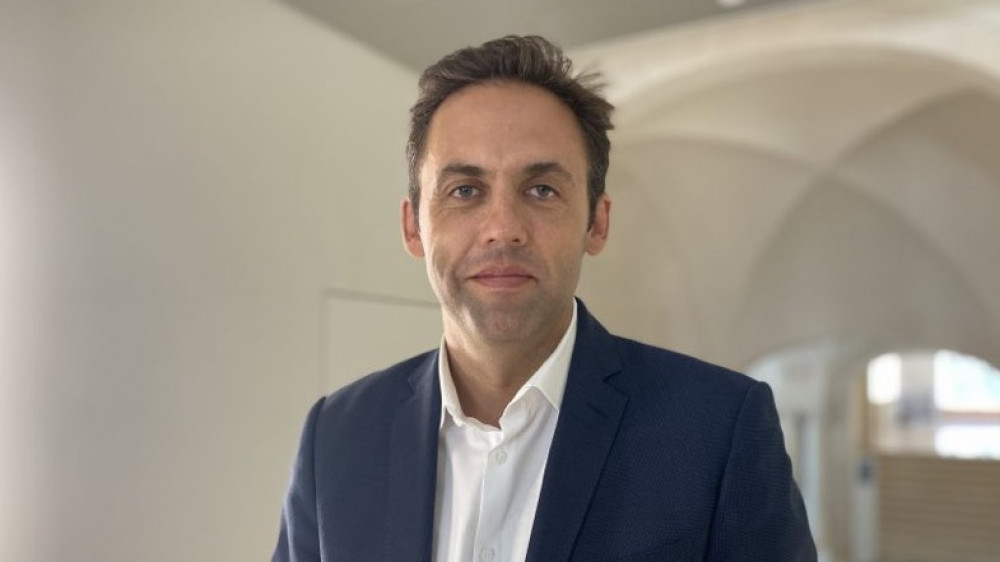
When a key executive responsible for digital transformation and sales leaves a major life insurer, it's a move that ripples through the industry. If you're involved in life insurance, whether as a policyholder, advisor, or industry professional, understanding these talent shifts helps you gauge market trends and strategic priorities. In a significant personnel change, Carlo Bewersdorf, the board member for Marketing and Sales at Hannoversche Lebensversicherung (part of the VHV Group), is departing. He is set to join iptiQ, a white-label insurance solutions provider owned by the global reinsurance giant Swiss Re, as its CEO effective October 1, 2020. To fill the resulting vacancy, the VHV Group has turned inward, promoting Dr. Thomas Wüstefeld to the executive board effective July 1, 2020. This transition highlights the intense competition for digital leadership talent and the strategic importance of embedded insurance platforms, trends that are equally relevant in the US life insurance and annuity markets.
The Departure: Carlo Bewersdorf's Move to Swiss Re's iptiQ
Carlo Bewersdorf, a 46-year-old graduate economist, joined the VHV Group in October 2016 with a clear mandate: to drive the company's digitalization. His background included high-profile roles as Global Head of Digital at Allianz and Managing Director of Marketing at direct insurer Asstel. His move to iptiQ is a telling career step. iptiQ is Swiss Re's venture into providing white-label, digital insurance solutions to non-insurance partners (like retailers, banks, or car manufacturers), enabling them to offer insurance seamlessly within their own customer journeys. As CEO reporting directly to Swiss Re Group CEO Christian Mumenthaler, Bewersdorf will be at the forefront of the growing embedded insurance and InsurTech ecosystem. This trend mirrors developments in the US, where companies like Lemonade or partnerships between insurers and tech firms are reshaping distribution.
The Successor: Dr. Thomas Wüstefeld Steps Up
Stepping into the crucial sales and marketing board role is Dr. Thomas Wüstefeld, a 37-year-old doctoral graduate in economic sciences. His appointment represents a vote for continuity and deep institutional knowledge. Wüstefeld has been with the company since 2011, serving most recently as the head of the Life Principles department and previously as an assistant to the very sales board member he is now replacing. As a newly appointed Generalbevollmächtigter (authorized officer), he will now lead the entire Sales board department. His internal promotion suggests the VHV Group aims to maintain strategic course while leveraging his extensive internal network and understanding of the Hannoversche Life's operations.
What This Executive Change Means for Hannoversche Life
For policyholders and distribution partners of Hannoversche Life, this transition signals both change and continuity:
- Continuity in Distribution Strategy: Wüstefeld's internal promotion likely means the company's existing sales strategies and broker relationships will remain stable, ensuring minimal disruption for intermediaries and customers.
- Potential Shift in Digital Emphasis: While Wüstefeld will certainly continue the digital agenda, the departure of a dedicated digital transformation lead like Bewersdorf may lead to a refocusing or reprioritization of digital initiatives within the company's broader sales and marketing framework.
- Focus on Core Life Insurance Expertise: Wüstefeld's background in "Life Principles" indicates a strong grounding in actuarial and product fundamentals, which may bring a renewed focus on core life and pension product development and risk management.
The Bigger Picture: Digital Talent and the Rise of Embedded Insurance
Bewersdorf's move from a traditional life insurer to a reinsurer's tech-focused subsidiary underscores a major industry trend: the battle for digital talent is fierce, and the future of insurance distribution is increasingly platform-based. iptiQ's model of providing insurance-as-a-service is akin to API-driven insurance platforms emerging in the US, which allow companies outside the traditional sector to offer tailored coverage. This reflects a global shift where insurance is becoming less of a standalone product and more of an integrated feature within other services.
German Life Insurance vs. US Life & Annuity Market: Executive Trends
To contextualize this German executive move for a US audience, it's helpful to compare the landscapes. Germany's life insurance market, with products like Riester-Rente (private pension), faces low-interest-rate challenges similar to those affecting US annuity providers. The competition for executives who can drive digital sales and product innovation is a transatlantic phenomenon.
| Aspect | Hannoversche Life / German Market | US Life Insurance & Annuity Market |
|---|---|---|
| Key Challenge | Low interest rates, legacy book management, digitalizing advisor-led distribution. | Low interest rates, fee compression, shifting consumer preferences, digital adoption. |
| Digital Transformation Focus | Modernizing broker tools, developing hybrid advisory models, process automation. | Direct-to-consumer channels, robo-advisory for simple products, underwriting automation. |
| Emerging Distribution Trend | Partnerships with banks (Bancassurance), embedded insurance via platforms like iptiQ. | Embedded insurance in fintech apps, worksite marketing, digital brokerages.|
| Executive Talent Movement | Flow from traditional insurers to InsurTechs and reinsurer-backed digital units (e.g., Bewersdorf to iptiQ). | Flow from incumbent carriers to InsurTech startups, tech giants, or independent platforms. |
| Regulatory Environment | BaFin oversight, EU insurance distribution directive (IDD), strong consumer protection rules. | State-based regulation, SEC/FINRA for variable products, suitability and best interest standards. |
Conclusion: A Microcosm of Industry Evolution
The executive transition at Hannoversche Life is a microcosm of the broader evolution in the global life insurance industry. Carlo Bewersdorf's move to a reinsurer's digital venture highlights the strategic value placed on embedded insurance platforms. Meanwhile, Thomas Wüstefeld's internal promotion emphasizes the enduring importance of deep product knowledge and stable distribution networks. For the market, this signifies a period of dual focus: traditional insurers must simultaneously fortify their core strengths while aggressively pursuing digital innovation to avoid losing top talent and market relevance. The outcomes of such leadership decisions will shape the future of life insurance distribution and product offerings for years to come, both in Germany and internationally.