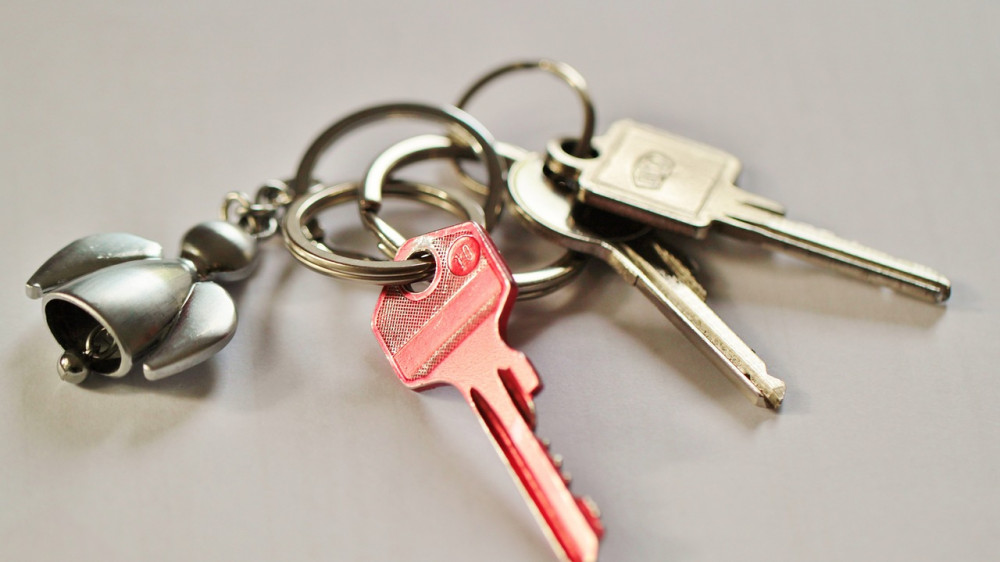
Home Insurance Alert: How a Simple Mistake with Your Keys Can Void Your Coverage
You lock your doors, set the alarm, and trust your homeowners insurance or renters insurance to protect you. But what if a simple, everyday oversight could completely nullify that protection? A landmark ruling by Germany's Federal Court of Justice (Bundesgerichtshof, BGH) delivers a stark warning: negligent handling of your keys can leave you financially exposed after a burglary. In a case where a man lost over €64,400 in valuables and cash, the court upheld the insurer's denial because he left his keys in an unlocked car. This decision underscores the critical importance of understanding the fine print in your home contents insurance (Hausratversicherung) policy, particularly the "extended key clause." Here’s what you need to know to ensure your coverage remains valid.
The Case: A Costly Oversight with a Key
In the summer of 2017, a man reported that a briefcase containing his house keys and safe keys was stolen from his company car. Shortly after, a thief used those keys to enter his apartment, open the safe, and steal valuables. He filed a claim with his home contents insurer.
The insurer denied the claim. Their reasoning? The policyholder could not prove his car was locked at the time of the theft. The insurer argued this constituted negligent behavior that facilitated the crime. The Berlin Regional Court and Higher Regional Court agreed. The Federal Court of Justice (BGH) recently affirmed this decision, leaving the man without a penny of the €64,400 loss.
The Legal Fine Print: Understanding the "Extended Key Clause"
The court's ruling hinged on a standard provision found in most German home contents insurance policies, known as the "erweiterte Schlüsselklausel" (extended key clause). This clause typically states that coverage for burglary and theft applies only if the thief did not obtain the keys through the negligent behavior of the rightful owner.
In this case, the court determined that leaving keys in an unattended, unlocked vehicle met the legal definition of negligence. Crucially, the burden of proof shifted to the policyholder. He had to prove he was not negligent (i.e., that the car was locked), which he could not do.
The plaintiff's lawyers argued the insurer should have provided a specific list of negligent acts. The BGH rejected this, stating the phrase "without negligent behavior" was clear enough for the average policyholder. This sets a powerful precedent: insurers do not need to spell out every possible scenario; general standards of care apply.
What Constitutes "Negligent" Key Handling? A Practical Guide
Based on this ruling and standard insurance principles, here are actions that could be deemed negligent and jeopardize your property insurance coverage:
| High-Risk Behavior (Likely NEGLIGENT) | Lower-Risk / Prudent Behavior | Why It Matters |
|---|---|---|
| Leaving keys in an unlocked vehicle (as in the BGH case). | Always locking your vehicle and never leaving keys inside, even for a moment. | An unlocked car is an open invitation, easily constituting negligence. |
| Hiding a spare key under a doormat, in a flowerpot, or above the doorframe. | Giving a spare key to a trusted neighbor or using a secure key lockbox. | Common hiding spots are well-known to thieves. |
| Leaving keys unattended in a gym locker, on a restaurant table, or at a public pool. | Keeping keys on your person or in a secure, locked compartment. | Demonstrates a lack of reasonable care for a critical security item. |
| Attaching keys to items with your name and address (like a luggage tag or mail). | Keeping keys separate from identifiable personal information. | Directly leads a thief to your property. |
| Failing to report lost or stolen keys immediately and change the locks. | Reporting loss/theft immediately to police and insurer, and re-keying locks promptly. | Continuing to use the same locks after keys are compromised shows negligence. |
Your Action Plan: Protecting Your Coverage and Your Home
Don't let a moment of carelessness invalidate your financial safety net. Follow these steps to maintain robust home insurance coverage:
- Read Your Policy's Theft/Burglary Section: Locate the key clause. Understand that your duty of care is explicitly part of the contract.
- Adopt a "Zero Negligence" Mindset with Keys: Treat your house keys with the same care as your wallet or passport. They are a direct gateway to your insured property.
- Secure Your Vehicle: Never, under any circumstances, leave house keys in a car—locked or unlocked. A locked car can still be broken into, but an unlocked one guarantees a negligence finding.
- Document Your Precautions: While you can't document locking your car every time, you can document reporting lost keys or installing a new lock. This creates a paper trail of responsible behavior.
- Consider Additional Coverage: If you own particularly high-value items (jewelry, art, cash), discuss scheduled personal property coverage or a separate valuables insurance (Schmuckversicherung) policy with your agent, as standard policies have low limits for cash and valuables.
Conclusion: Vigilance is Part of Your Premium
The BGH ruling is a powerful reminder that insurance is a two-way street. You pay a premium for protection, but you also accept a duty to act as a reasonable, prudent person. In the eyes of the law and your insurer, leaving keys in an unlocked car is a fundamental breach of that duty.
By understanding the extended key clause and integrating simple, consistent key management habits into your routine, you do more than just deter thieves. You actively preserve the validity of your home contents insurance policy, ensuring that if the worst happens, your financial recovery is guaranteed. Protect your keys to protect your coverage.