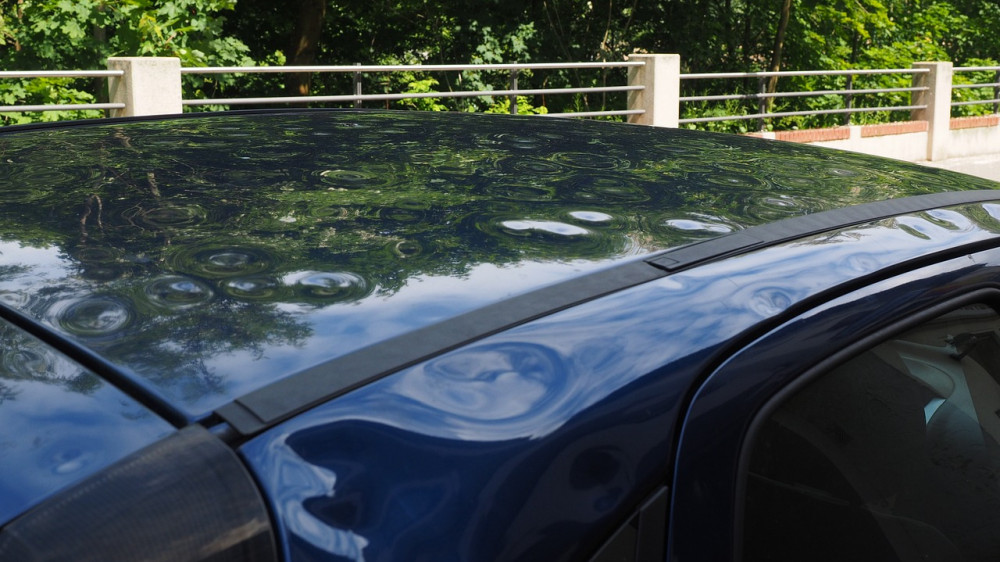
Hail Damage is a Growing Threat to Your Car: A Complete Guide to Protection and Insurance
Imagine a brief, violent storm leaving your car looking like a golf ball. This scenario is becoming alarmingly common. Hail damage to vehicles is a rising and costly consequence of extreme weather, with repair bills soaring into the billions. If you rely solely on basic liability coverage, you could be facing a massive financial setback. This guide will show you why comprehensive car insurance is no longer optional, which areas face the highest risk, and the steps you must take to protect your investment.
The Soaring Cost of Hail: A Billion-Dollar Problem
The data is clear and concerning. According to the German Insurance Association (GDV), while hail caused around €1 billion in vehicle damage in 2013, that figure rose to €1.3 billion by 2023. Major storms like "Lambert" and "Kay" contributed significantly to a total of €2.7 billion in storm and hail damage costs last year. For you, the driver, this translates directly to higher risk and potential out-of-pocket expenses. The ADAC reports the average hail repair cost jumped from about €2,800 in 2019 to approximately €3,860 in 2023—a stark increase driven by rising parts and labor costs.
High-Risk Hail Zones: Is Your Region a Target?
While hail can strike anywhere, certain regions are statistically more vulnerable due to specific geographic and climatic conditions that fuel severe thunderstorms. The Hail Atlas 2024 from Verti highlights these danger zones. In Germany, the highest-risk areas are:
- Southern Germany: Particularly Bavaria and Baden-Württemberg.
- The Central Uplands: Various mid-range mountain areas.
- The Upper Rhine Plain: A known hotspot for intense weather.
Bayern consistently leads, accounting for €828 million of the €2 billion in weather-related auto damage reported nationally in 2023. If you live in or frequently travel through these regions, understanding your auto insurance coverage is critical.
Beyond Dents: The True Scope of Hail Damage
Hail doesn't just cause unsightly dents. The impact can lead to a cascade of expensive problems:
| Type of Damage | Immediate Effect | Long-Term Risk & Cost |
|---|---|---|
| Body Dents & Dings | Cosmetic damage to hood, roof, trunk, and doors. | Can significantly reduce your car's resale value. Paintless Dent Repair (PDR) may be possible, but severe cases require panel replacement. |
| Paint Chips & Cracks | Exposes the metal body substrate. | Leads to corrosion and rust, which spreads and causes structural damage far exceeding the initial repair cost. |
| Shattered Glass | Cracked or broken windshields, side windows, and sunroofs. | Creates immediate safety hazards. Modern windshields with embedded sensors (for ADAS) can cost thousands to replace and calibrate. |
| Component Failure | Damage to side mirrors, antennas, sensors, and lighting. | High-tech safety features like parking sensors, lane-assist cameras, and automatic headlights are vulnerable and extremely expensive to fix. |
Your Financial Shield: The Critical Role of Comprehensive Coverage
This is the most important takeaway: Liability insurance (Haftpflicht) does not cover damage to your own vehicle from hail, theft, or vandalism. Only a comprehensive insurance policy (Vollkasko) provides this essential protection. Given the increasing frequency and severity of hailstorms, upgrading from liability-only to a comprehensive policy is one of the smartest financial decisions you can make as a driver. It transforms a potential €4,000 repair bill into a manageable deductible.
Action Plan: Before, During, and After a Hail Storm
Prevention & Preparedness:
- Seek Shelter: If hail is forecast, park in a garage, under a carport, or in a public parking garage.
- Use Heavy Blankets: If caught outside, thick moving blankets or specialized car hail covers can mitigate damage.
- Review Your Policy: Don't wait for a storm. Check your car insurance now. Do you have comprehensive coverage? What is your deductible?
After a Hail Event:
- Document Everything: Take clear, date-stamped photos and videos of all damage from multiple angles. Note the time, date, and location of the storm.
- File a Claim Promptly: Contact your auto insurance company to start the claims process. Provide your documentation.
- Get Professional Estimates: Your insurer will likely recommend a repair shop, but you can choose your own. Get an estimate for the full scope of repairs.
Don't let a 10-minute storm derail your finances. In an era of increasing climate volatility, the right vehicle insurance is your primary defense. Ensure you are adequately covered before the next dark cloud forms.