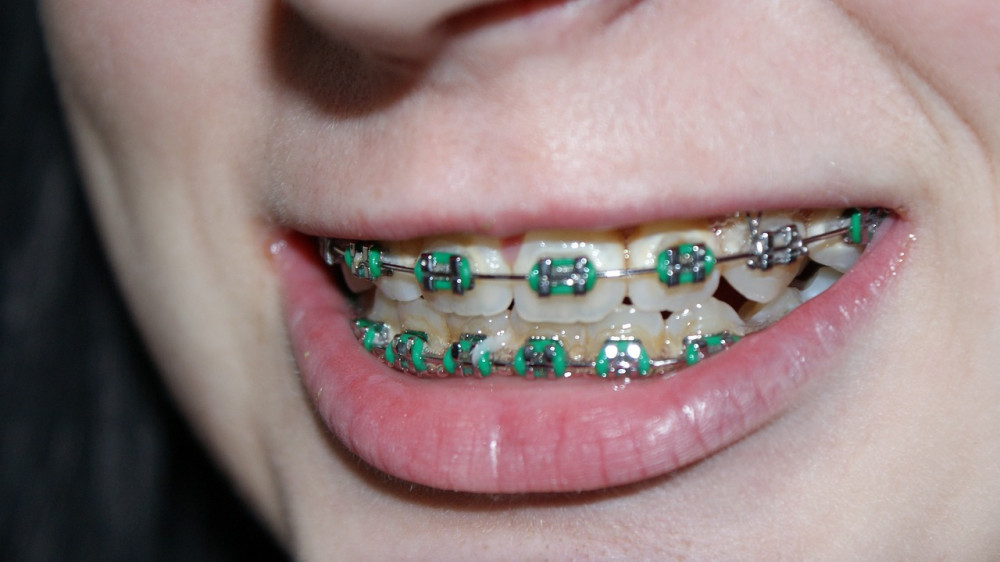
Orthodontics for Children: A Guide to Costs, Recommended Extras, and Supplemental Insurance
If your child needs braces, you're likely facing a significant financial decision. In Germany, the statutory health insurance (gesetzliche Krankenversicherung or GKV) provides only basic orthodontic coverage for children and adolescents up to age 18, and only for specific, more severe cases of misalignment. This basic coverage often includes only a standard metal braces system. For American readers, this is somewhat similar to how basic Medicaid or some employer-sponsored health insurance plans might cover only medically necessary orthodontics, leaving advanced or cosmetic options as out-of-pocket expenses.
This means that for many common treatments and desirable extras—like less visible ceramic brackets, more comfortable wires, or advanced diagnostic scans—parents must pay privately. These out-of-pocket costs can easily add 1,000 to 3,000 Euros or more to the total bill. A recent analysis by the consumer protection magazine Finanztest highlighted a case where parents were presented with three options for their 13-year-old's fixed braces, with the more advanced models costing at least an extra 1,000 Euros.
Recommended Extras in Children's Orthodontics: What's Worth the Cost?
Not all extras advertised by orthodontists provide equal value. Based on expert advice from Professor Till Köhne, head of the Orthodontics Department at Leipzig University Hospital, here is a breakdown of which add-ons are truly beneficial for your child's treatment and comfort.
| Recommended Extra | Description | Key Benefit |
|---|---|---|
| Digital 3D Scan (vs. Traditional Impressions) | Uses an intraoral scanner to create a precise 3D model of the teeth and jaws. | More comfortable for the child (no gagging on silicone), allows for optimal treatment planning, and is highly accurate. |
| Indirect Bonding for Brackets | Brackets are placed using a custom-made template or guide. | Ensures perfect positioning of each bracket on the tooth, which can improve treatment efficiency and results. |
| Self-Ligating Brackets | Brackets that use a built-in clip or door to hold the archwire, instead of elastic bands. | Easier to keep clean, may reduce friction and treatment time, and can be more comfortable. |
| Thermoelastic Archwires | Wires made from special nickel-titanium alloys activated by body heat. | Apply gentler, more constant force, leading to less pressure and discomfort for the child during adjustments. |
| Fixed Retainer (Kleberetainer) | A thin wire bonded behind the front teeth after braces are removed. | Essential for maintaining the results and preventing teeth from shifting back, protecting your investment in treatment. |
| Professional Teeth Cleaning during Wire Changes | A thorough cleaning by a dental hygienist when archwires are replaced. | Improves oral hygiene during treatment, helping to prevent cavities and gum inflammation around braces. |
Extras to Question: Experts are more skeptical about extras like bracket sealants (designed to prevent cavities around brackets), as they are not a substitute for thorough brushing and can wear off. The necessity of clear aligners (like Invisalign) depends on the specific case; they are excellent for certain issues like an open bite but are less effective than traditional braces for complex movements, such as correcting a deep overbite or rotating canines.
Why Supplemental Dental Insurance for Children is a Wise Investment
Given these high potential costs, a supplemental dental insurance policy (Zahnzusatzversicherung) for your child is one of the most effective ways to manage financial risk. It's the most popular type of private health add-on insurance in Germany. For context, this is analogous to Americans purchasing a private dental insurance plan separate from their medical coverage or a plan that offers enhanced orthodontic benefits.
Here’s how it helps:
- Covers High-Cost Extras: A good policy can reimburse a significant percentage (often 80-100%) of the costs for the recommended extras listed above, such as ceramic brackets, self-ligating systems, and retainers.
- Protects Against Additional Risks: It also helps with costs for other common dental needs not fully covered by public insurance, such as high-quality tooth-colored fillings (instead of standard amalgam), professional cleanings, and injury-related dental work.
- Provides Long-Term Value: Orthodontic treatment is a major investment. Insurance helps ensure your child can receive the most appropriate and comfortable treatment without the decision being solely driven by upfront cost. Enrolling children while they are young and healthy typically secures lower premiums and guarantees coverage regardless of future dental developments.
Before your child begins orthodontic treatment, consult with an orthodontist for a detailed plan and cost estimate. Then, review supplemental dental insurance options to find a plan that covers a high percentage of lab fees and extras. Investing in such a policy can transform a daunting financial burden into a manageable expense, ensuring your child gets the best possible care for a healthy, confident smile.
Background: The information on orthodontic extras is based on the November 2023 issue of Finanztest magazine.