How Consumers Really Feel About AI in Insurance: A 2025 Trust Survey
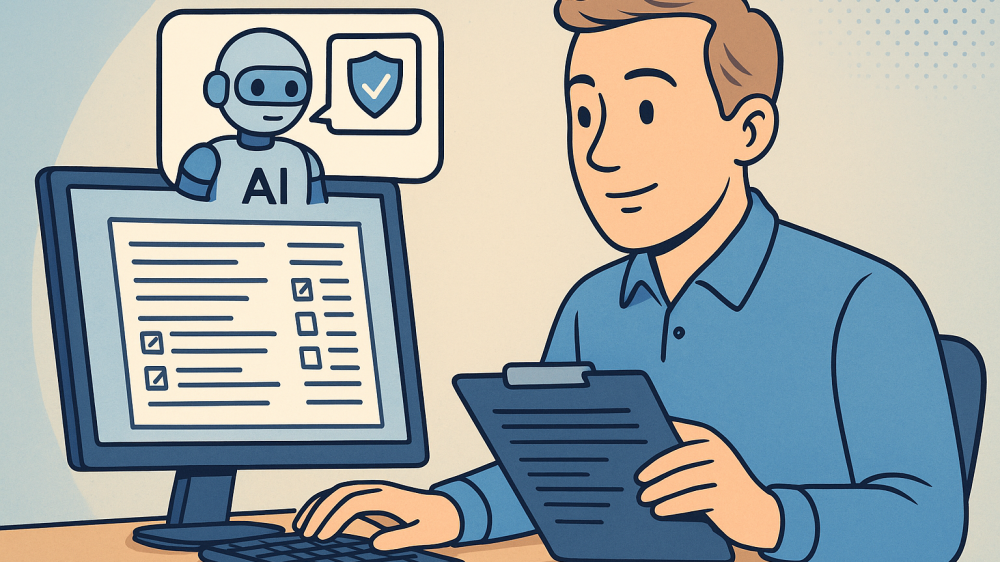
Imagine having a personal assistant that never sleeps, ready to help you decipher complex insurance forms, analyze your coverage gaps, or update your policies after a major life event. For a growing number of consumers, this assistant is Artificial Intelligence (AI). A new, representative survey commissioned by the German digital association Bitkom reveals a significant shift in consumer attitudes: nearly half of all Germans are now open to using AI for key insurance tasks. This openness, however, comes with clear boundaries, especially when it involves sensitive personal data. As the insurance industry—from German PKV/GKV providers to U.S. private health insurance and Medicare Advantage plans—accelerates its AI adoption, understanding this balance of enthusiasm and caution is crucial for designing tools that consumers will actually trust and use.
Where Consumers Welcome AI: The High-Trust Use Cases
The survey highlights specific areas where consumers see AI as a valuable helper, not a threat. These are primarily tasks perceived as administrative, complex, or time-consuming.
| AI Application | Consumer Acceptance Rate | Why It's Welcomed |
|---|---|---|
| Filling out insurance applications | 47% (over 52% among 16-49 year-olds) | Reduces complexity and fear of errors in lengthy, technical forms. Acts as a smart guide. |
| Automatic policy updates after life events (marriage, move) | 45% | Proactively manages coverage, ensuring protection keeps pace with life changes without manual effort. |
| Analyzing existing policies & suggesting better alternatives | 39% | Acts as an unbiased reviewer to optimize coverage and potentially save money. |
| Q&A Chatbot for existing coverage | 40% | Provides instant, 24/7 access to explanations, lowering the barrier to understanding one's own protection. |
As Lukas Spohr, Bitkom expert for Digital Insurance, notes, AI can make complex insurance content understandable and provide personalized answers, encouraging deeper engagement with one's own financial safety net.
The Trust Boundary: Where Consumers Draw the Line
Despite this openness, the survey reveals clear red lines. Trust plummets when AI interacts with highly sensitive personal data or makes consequential judgments.
- Linking Health Data for Pricing: Only 25% of respondents would trust an AI that links personal health data (like fitness tracker info) to calculate insurance premiums. This reflects deep concerns about privacy, discrimination, and the "black box" nature of some AI algorithms.
- AI-Powered Claims Assessment: Merely 24% are comfortable with an AI evaluating accident photos to assess a claim payout. The fear here is of unfair, automated decisions without human empathy or context.
This trust gap highlights a critical lesson for insurers: Consumers differentiate between AI as an "assistant" and AI as an "adjudicator." They welcome help with process and information, but are skeptical of AI making final decisions that impact their finances and well-being.
Strategic Implications for Insurance Providers and Advisors
This data provides a roadmap for how to implement AI in ways that build, rather than erode, consumer trust.
- Focus on Augmentation, Not Replacement: Design AI tools that empower both consumers and human agents. For example, an AI that pre-fills applications for an advisor to review, or a chatbot that triages simple questions but seamlessly escalates complex ones to a human.
- Prioritize Transparency & Explainability: For any AI-driven recommendation, especially in policy analysis, clearly explain the "why." What factors did the AI consider? This builds trust and turns the tool into an educational resource.
- Implement Strong "Human-in-the-Loop" Safeguards: Especially for sensitive areas like claims or health-data analysis, ensure AI outputs are always validated by a qualified human professional. Market this hybrid model as a strength—combining AI speed with human judgment.
- Educate Consumers: Demystify how the AI works. Clear communication about data use, security, and the limits of AI can alleviate fears and increase adoption of helpful features.
The Bitkom survey is a clear signal: the consumer appetite for AI-assisted insurance is real and growing, particularly among younger demographics. The winners in the next era of insurance will be those companies that skillfully navigate the trust frontier—harnessing AI's power for efficiency and insight while rigorously respecting the human boundaries of privacy, fairness, and final judgment. For you as a consumer, this means more helpful tools are on the horizon, but your vigilance in understanding how they work remains your best protection.