"Ongoing Client Service Is Currently Undervalued": Rethinking Insurance Broker Compensation Models
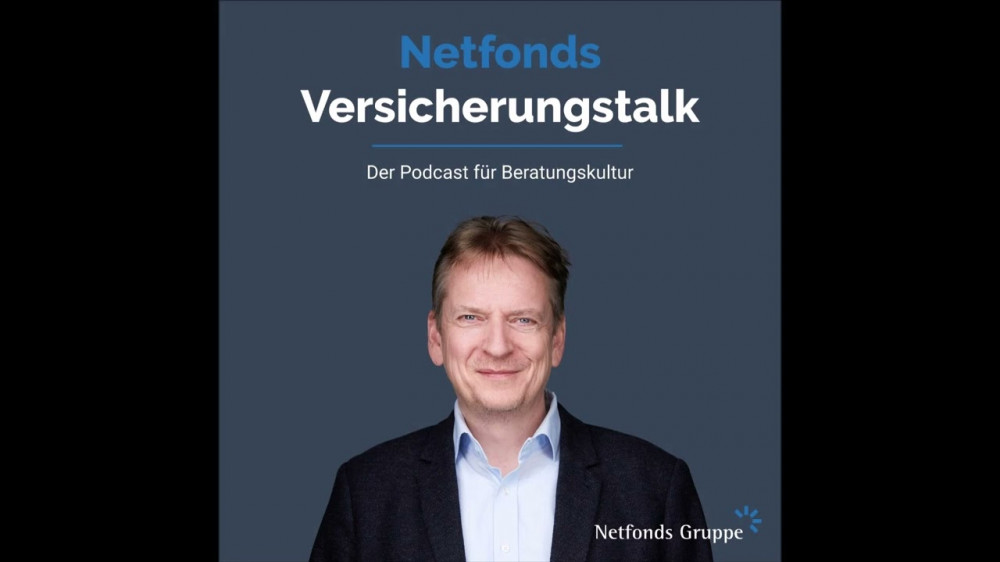
In a recent summer interview, Oliver Bruns and his guest Oliver Kieper, Board Member of Netfonds, reflected on the first half of 2023. What emerged was "remarkable growth"—the pool reported increases of 20% across all business segments, including health insurance. But Kieper raises a crucial concern: "Ongoing client service is currently undervalued." While convinced that Germany will maintain a commission-based intermediary landscape, he questions whether upfront commissions will retain their current significance.
Strong Growth Amidst Structural Challenges
The German insurance brokerage market shows surprising vitality, with Netfonds experiencing what Kieper calls "the best health insurance year in Netfonds' history." This trend continues even in comprehensive health insurance. Yet beneath this success lie significant structural challenges that threaten long-term sustainability.
Kieper identifies two primary concerns: the underperformance of tariff-bound business and the demographic shift within the broker community itself. This aging broker population creates a looming crisis: millions of unserviced policies in coming years. Early signs already appear, with policy portfolio transfers tripling as brokers retire or exit the business.
The Compensation Conundrum: Upfront vs. Ongoing Service Fees
Kieper's central argument addresses a fundamental imbalance in insurance broker compensation. While upfront commissions reward new business generation, ongoing client service—policy reviews, coverage adjustments, claims assistance, and regular consultations—receives inadequate compensation. This creates several problems:
| Current Compensation Model | Challenges Created | Potential Solutions |
|---|---|---|
| High upfront commissions for new policies | Incentivizes churn rather than long-term client relationships | Balanced compensation with service retainers |
| Minimal ongoing service fees | Undervalues policy maintenance and client support | Recurring advisory fees for active management |
| Demographic broker decline | Creates orphaned policies and service gaps | Succession planning and portfolio transfer systems |
Strategic Responses to Market Changes
Rather than pursuing large portfolio acquisitions, Kieper observes Netfonds partners focusing on specialization and strategic client acquisition. This approach emphasizes quality relationships over quantity, aligning with the need for better-compensated ongoing service.
The demographic challenge presents both risk and opportunity. As older brokers retire, their unserviced portfolios create service gaps that younger, digitally-native advisors can fill—but only if compensation models adequately reward the ongoing work required to maintain these relationships.
Comparative Perspective: German vs. American Broker Compensation
For American insurance professionals, this German debate echoes similar discussions in the U.S. market about fee-based advisory models versus commission structures. While Germany's PKV (private health insurance) and GKV (statutory health insurance) systems differ from America's private health insurance and Medicare/Medicaid programs, the compensation challenges share common themes:
- Both markets struggle to adequately value ongoing client service
- Both systems face demographic shifts in their advisor populations
- Both industries debate the future of commission-based compensation
Just as U.S. agents serving Medicare beneficiaries must navigate complex compensation rules, German brokers balancing upfront and ongoing service fees face similar structural decisions about how to build sustainable practices.
The Path Forward: Evolving Compensation Models
Kieper's insights suggest several emerging trends in German insurance brokerage:
- Hybrid Compensation: Blending upfront commissions with ongoing service fees
- Specialization Premiums: Higher compensation for expertise in complex coverage areas
- Digital Service Models: Leveraging technology to efficiently service larger client bases
- Succession Solutions: Structured approaches to broker retirement and portfolio transitions
As Kieper notes regarding market movements and expected results from comparit, the industry stands at a crossroads. The brokers who will thrive are those who develop sustainable models that properly value both new business acquisition and the ongoing client relationships that form the foundation of long-term success.
For more insights from Oliver Kieper on pool market movements and when to expect initial results from comparit, listen to the complete interview episode available on Apple Podcasts and Spotify.