Protect Your Car from Costly Animal Damage: An Insurance and Prevention Guide
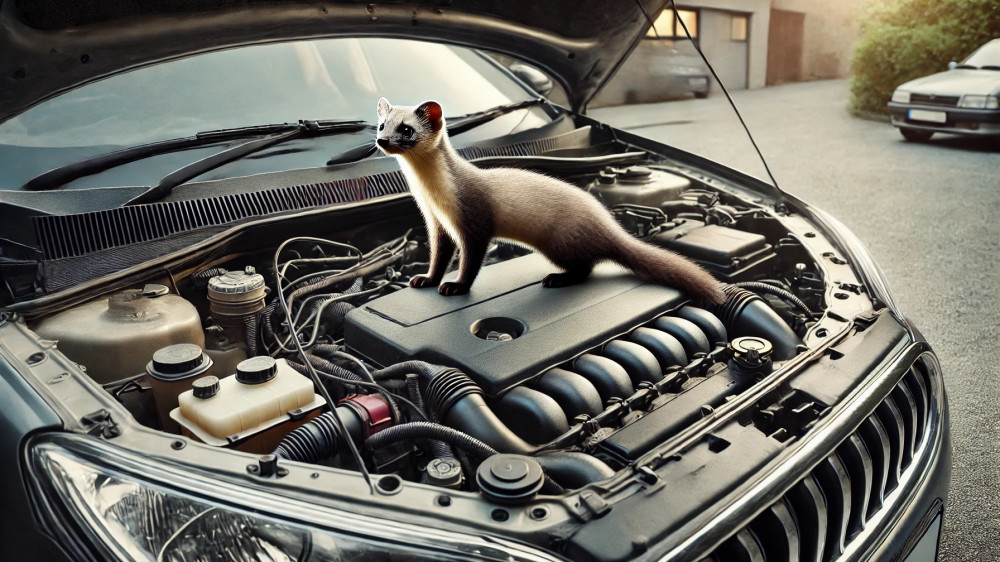
Imagine facing a four-figure repair bill because a small animal decided your engine wiring looked like a chew toy. This isn't a rare nightmare—it's a growing, expensive reality for drivers. In Germany, damage from martens (a weasel-like animal) caused a record €128 million in claims in 2023 alone, with the average repair costing nearly €550. This trend highlights a critical gap in many drivers' auto insurance knowledge. This guide will explain why your standard car insurance liability policy fails here, how to verify your comprehensive coverage, and provide actionable steps to prevent these costly incidents and keep your vehicle protection strong.
The Soaring Cost of Animal Damage: By the Numbers
The data is clear and concerning. In 2023, German insurers processed approximately 235,000 claims for marten bites—a nearly 10% annual increase. The cost per claim jumped about 12%, driven significantly by rising labor rates at repair shops. This isn't just a European issue; in the US, collisions with deer and other animals cause billions in damage annually. Whether it's a marten chewing wires or a deer crashing into a fender, the financial impact on drivers without proper coverage can be severe.
Why Your Basic Liability Insurance Leaves You Exposed
This is the most crucial point for every driver to understand: A standard auto liability insurance policy is designed to cover damage you cause to *other people's* property or injuries. It does **not** cover damage to *your own* vehicle from events like animal encounters, falling objects, hail, or theft.
For protection against animal damage, you need comprehensive auto insurance (often called "Other Than Collision" or "full coverage" when combined with collision). This portion of your car insurance policy is what pays to repair your car after such incidents. However, not all comprehensive coverage is created equal.
Decoding Your Comprehensive Coverage: What to Look For
When reviewing your policy or shopping for auto insurance quotes, you must look beyond just having "comprehensive" coverage. Key distinctions exist:
| Coverage Type | What It Typically Covers | Risk if You're Underinsured |
|---|---|---|
| Basic Comprehensive | Direct physical damage from the animal (e.g., chewed wires, punctured hose). | You may be covered for the initial repair but face a massive bill for subsequent failures. |
| Robust Comprehensive (with follow-up damage) | Direct damage **AND** resulting consequential damage (e.g., a ruined catalytic converter from leaking fluids, an overheated engine, or a damaged driveshaft). | This is the gold standard. It covers the full chain of mechanical failure caused by the initial animal damage. |
Action Step: Contact your insurance agent or review your policy documents. Ask specifically: "Does my comprehensive coverage include consequential damage resulting from animal bites?"
Understanding the Risk: Why Animals Target Cars
Animals like martens are drawn to engine bays for warmth and shelter. They often mark components with scent glands. If your car then parks in another animal's territory, the new occupant may aggressively chew the marked areas to reclaim space. The most vulnerable parts are soft rubber hoses, electrical wiring harnesses, and fluid lines. A small bite can lead to coolant leaks, electrical shorts, or brake fluid loss, causing catastrophic and expensive engine or system failures down the road.
Your Proactive Prevention Plan: Deterrence Strategies That Work
While good vehicle insurance is your financial safety net, prevention is always cheaper. Combine these strategies for the best defense:
- Physical Barriers: Install a professionally fitted, fine-mesh engine compartment guard. This is one of the most effective deterrents, blocking access to vulnerable components.
- Sensory Deterrents: Use ultrasonic devices designed for engine bays, scent repellents (like predator urine or commercial sprays), or old-fashioned mothballs placed in perforated cans (secure them away from moving parts). Effectiveness varies, so rotate methods.
- Parking Smart: Avoid parking near woodpiles, dense bushes, or fields where small animals nest. If you park in different locations frequently (a high-risk factor), consider using a car cover, as it can disrupt scent markers.
- Regular Inspections: Periodically, especially after parking overnight in a new area, pop the hood and look for signs of nesting material, droppings, or bite marks on hoses and wires. Early detection can prevent a major breakdown.
Putting It All Together: Your Financial Protection Checklist
Don't wait for a surprise claim to discover your coverage is inadequate. Follow this checklist to ensure you're fully protected:
✅ Review Your Policy: Confirm you have comprehensive car insurance and understand its limits regarding consequential damage.
✅ Know Your Deductible: Be aware of your comprehensive deductible amount and ensure you have savings to cover it if needed.
✅ Compare Quotes: When shopping for cheap auto insurance, compare the comprehensive coverage details, not just the price.
✅ Implement Prevention: Choose at least two prevention methods from the list above to actively reduce your risk.
✅ Document for Claims: If damage occurs, take clear photos of the animal damage and any resulting mechanical failure before repairs. This helps streamline the insurance claims process.
Animal damage is a significant and rising threat to your vehicle's health and your wallet. By pairing a robust, well-understood comprehensive auto insurance policy with practical prevention measures, you achieve true auto protection. You gain peace of mind, knowing you're financially covered for repairs and actively reducing the likelihood of a stressful, costly incident. Take control today—review your policy and take the first step in safeguarding your car.