German Public Health Insurance Report: Rising Out-of-Pocket Costs for Medical Aids & the Push for Transparency
If you're insured under Germany's public health insurance (GKV), you have a legal right to receive medical aids (Hilfsmittel)—like wheelchairs, hearing aids, or orthopedic insoles—without additional out-of-pocket costs beyond the standard co-payment. However, a new report reveals a growing trend: more and more insured individuals are voluntarily paying extra for upgraded or premium versions of these devices. The latest GKV-Spitzenverband (National Association of Statutory Health Insurance Funds) report shows that in 2023, about 20% of all medical aid provisions involved such additional personal payments, averaging €149 per case—a 5% increase from the previous year. This raises critical questions about transparency, patient pressure, and how to navigate your rights to avoid unnecessary expenses. For those familiar with US healthcare, this issue mirrors debates around upselling within Medicare coverage for durable medical equipment or the complex cost-sharing in private health insurance plans.
Key Findings: Where Are Germans Paying Extra?
The GKV's sixth "Mehrkostenbericht" (Additional Cost Report) for 2023 provides a clear snapshot of the market. While 80% of aids are still provided at no extra cost, significant out-of-pocket spending occurs in specific categories.
| Key Metric | 2023 Data | Trend & Implication |
|---|---|---|
| Provisions with Extra Costs | ~20% | 1 in 5 insured persons opts for an upgrade beyond the medically necessary standard. |
| Average Additional Payment | €149 | Increased by ~5% from 2022, indicating rising upgrade costs or frequency. |
| High-Cost Sectors | Hearing Acoustics & Orthopedics | Over 50% of orthopedic insole fittings involve a more expensive choice. |
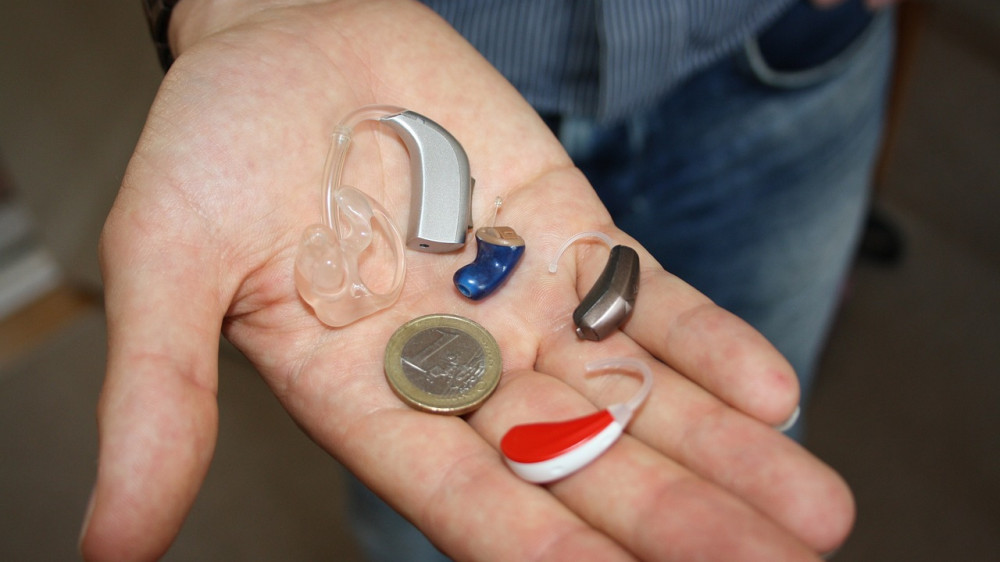
The report highlights that the highest propensity for additional payments is in hearing aids and orthopedic products. In these fields, providers often present a range of options, from the basic, fully-covered model to premium devices with enhanced features (e.g., better noise cancellation, Bluetooth connectivity, or specialized materials). The concern is that patients may feel pressured or inadequately informed when making these choices.
<The Core Problem: Lack of Transparency and Potential for Upselling
The GKV-Spitzenverband is using this data to sound an alarm. Its central criticism is the current lack of transparency regarding why patients choose to pay extra. The association suspects that in many cases, insured individuals are not making a fully informed, voluntary decision but may be influenced by providers who have a financial incentive to sell higher-margin products.
To address this, the GKV is demanding a legal reporting requirement (Meldepflicht) for the reasons behind additional costs. This would force suppliers and medical professionals to document and report the justification for any upgrade, creating a transparent data trail. The goal is twofold:
- Protect Patients: Shield insured individuals from being upsold to unnecessary or overpriced premium features they may not genuinely need.
- Ensure Economic Efficiency: Guarantee that the GKV system funds medically necessary, high-quality care without being undermined by opaque market practices that drive up personal expenditures.
The report explicitly notes that no concrete reform proposals have yet been presented by the Federal Ministry of Health, placing the onus on lawmakers to act.
Practical Guide: How to Avoid Unnecessary Extra Costs for Medical Aids
As an insured person, you have rights and options. Follow this guide to ensure you receive the care you need without overspending.
- Know Your Right to "Mehrkostenfreiheit": Your primary right is to a fully-covered, medically necessary aid. Any discussion of additional features or models should begin with a clear understanding of what the standard provision includes. Always ask: "What is the fully-covered option for my prescription?"
- Question the "Why": If a provider suggests a premium upgrade, ask pointed questions:
- "What specific medical benefit does this upgrade provide that the standard model does not?"
- "Is this feature medically necessary for my condition, or is it a comfort/convenience feature?"
- "Can you provide the reasoning for this upgrade in writing?"
- Get a Second Opinion: You are not obligated to accept the first offer. Feel free to consult another approved supplier (Hilfsmittellieferant) to compare what standard and upgraded options they propose for the same prescription.
- Consult Your Health Insurer: Before agreeing to any extra payment, contact your public health insurance (Krankenkasse). Their medical service (Medizinischer Dienst) can often advise if a requested upgrade is medically justified or if a fully adequate standard solution exists.
- Document Everything: Keep records of all consultations, quotes, and communications. This is crucial if you need to file a complaint (Beschwerde) with your insurer or a regulatory body.
Comparison with US Systems: Parallels in Patient Protection
This issue is not unique to Germany. In the United States, beneficiaries of Medicare can face similar situations with durable medical equipment (DME) suppliers. There are strict rules against unsolicited telephone contacts and upselling for Medicare-covered items. Private health insurance plans often have complex tiers of coverage for devices like hearing aids, requiring consumers to navigate deductibles, co-insurance, and in-network vs. out-of-network providers. The German GKV's push for a transparency mandate is akin to consumer protection regulations in the US designed to prevent deceptive marketing and ensure "assignment of benefits" rules are clear.
Conclusion: The rising out-of-pocket costs for medical aids in Germany's GKV system highlight a gap between the promise of full coverage and the market reality. While choosing premium features is a personal right, it should be an informed choice, free from pressure. The GKV-Spitzenverband's demand for a transparency mandate is a crucial step toward protecting patients. As an insured individual, your best defense is knowledge: understand your right to a more cost-free provision (mehrkostenfreie Versorgung), ask critical questions, and involve your health insurer early in the process. By being an informed consumer, you can secure the medical aids you truly need while safeguarding your personal finances.