Navigating Demographic Change: Ottonova's Vision for a Sustainable Private Health Insurance Future
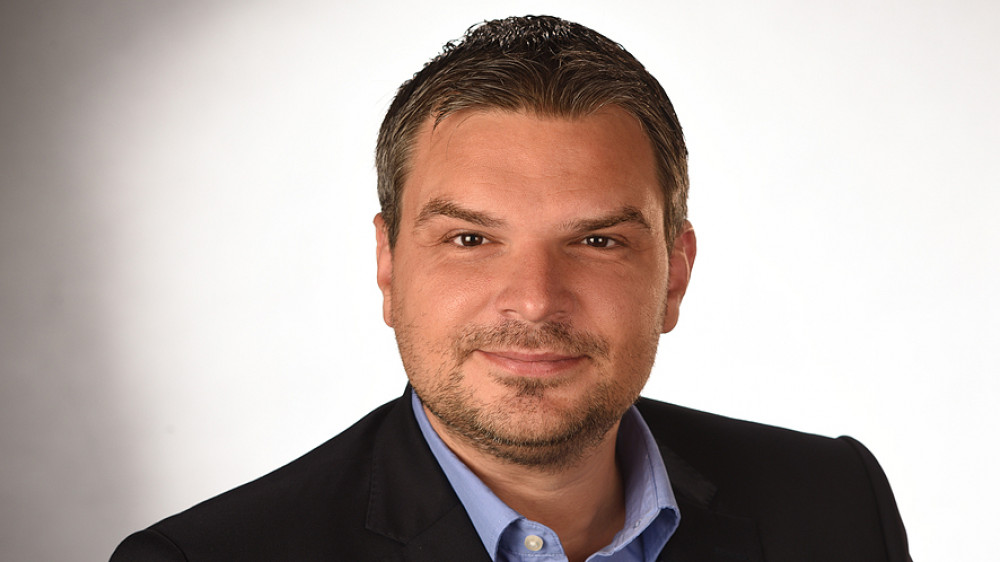
As Germany's population ages, the pressure on its healthcare financing models intensifies. For private health insurance (PKV), this demographic shift presents both challenges and opportunities to innovate. In an exclusive interview, Dr. Bernhard Brühl, CEO of ottonova Krankenversicherung AG, explains how his company is responding and why he is calling for a fundamental policy shift towards capital-funded provisions.
The Demographic Challenge: A Systemic Issue
Dr. Brühl clarifies that the demographic wave, particularly the retirement of the baby boomer generation, primarily strains Germany's pay-as-you-go public systems: "The statutory health insurance (GKV) and social long-term care insurance (SPV) are increasingly getting into financial difficulties."
In contrast, the private health insurance model is affected more indirectly as part of the overall system. The PKV's funded system, where premiums are calculated based on the equivalence principle and aging reserves (Alterungsrückstellungen) are built up, provides inherent stability. These reserves ensure that premiums calculated at the start of a policy remain stable over time, even as healthcare utilization increases with age. The ratio of young to old insured persons within a fund thus plays a subordinate role.
Ottonova's Strategy: Digital Innovation and Proactive Health Management
As a young, purely digital insurer with a correspondingly young portfolio, ottonova's strategy is forward-looking. Dr. Brühl emphasizes that their focus is not on cutting costs for older insureds but on proactive health management for their entire collective.
"Health promotion and prevention are part of ottonova's DNA," he states. The company acts as a digital health coach for its customers, centered on three pillars: "Eat, Move, Mind"—good nutrition, ample movement, and mental strength.
This is operationalized through initiatives like the health-X program, which incentivizes healthy behavior by allowing members to earn budgets for partner services. The ottonova app serves as a central platform, orchestrating everything from fair tariffs and fast reimbursements to video doctor calls, appointment reminders, and preventive care planning.
Key Digital Differentiators at Ottonova:
- Holistic Platform: The app integrates insurance, care coordination, and health coaching.
- Unlimited Reimbursement for Digital Health: No upper limit on cost reimbursement for certified digital health services.
- Ecosystem Approach: Partners with various health providers to offer seamless, value-added services focused on keeping customers healthy.
The Crucial Policy Demand: Strengthening Capital-Funded Provisions
Looking at the broader system, Dr. Brühl issues a clear call to policymakers: "Politics should strengthen the financing of health and long-term care insurance through an additional capital-funded provision to protect taxpayers and contributors from overload."
He advocates for a paradigm shift towards more personal provision and capital funding. This model, already core to the PKV, contrasts with the purely redistributive (pay-as-you-go) nature of the public system. By building reserves today for the higher costs of tomorrow, it creates intergenerational fairness and long-term sustainability, a debate also relevant in discussions about the future of Medicare funding in the United States.
The Future of PKV in an Aging Society
Dr. Brühl is optimistic about the role of private health insurance. "With the individual aging reserve, private health insurance is significantly more independent of demographics than the statutory system and is already the innovation driver in our healthcare system today," he argues.
He believes the PKV will remain essential to preserving Germany's high standard of healthcare, benefiting all generations. For consumers, this underscores the importance of understanding different financing models—whether considering private medical insurance options or planning for long-term care—in an era of demographic change.
In summary, ottonova's approach combines the structural advantages of the capital-funded PKV model with a relentless focus on digital, preventive health management. Their CEO's policy demand highlights a critical conversation about ensuring the resilience of healthcare financing for decades to come.