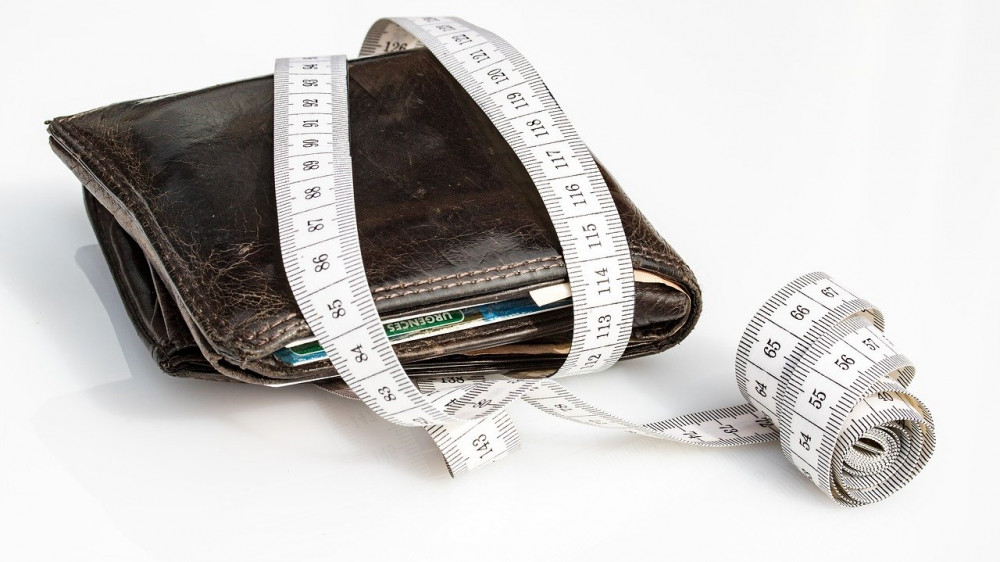
P-Konto Reforms: Enhanced Protection for Indebted Individuals in Germany
If you are one of the approximately 2.5 million people in Germany relying on a Pfändungsschutz-Konto (P-Konto), significant changes may be on the horizon. The German federal government, led by the Ministry of Justice and Consumer Protection, has drafted a law—the Pfändungsschutzkontofortentwicklungsgesetz (PKoFoG)—aimed at providing more flexibility and security for individuals with debt.
This initiative, driven by an evaluation of the existing system and the economic fallout from the COVID-19 pandemic, seeks to modernize a crucial financial safety net. For you, understanding these proposed reforms is key to navigating your financial rights and planning for greater stability.
What is a P-Konto and Why is it Important?
A P-Konto is a basic current account (Girokonto) that has been converted, upon request, into a garnishment-protected account. Its primary function is to shield a legally defined minimum subsistence level from creditors. Currently, €1,178.59 per month (as per § 850c of the German Code of Civil Procedure - ZPO) is protected from seizure, ensuring account holders can cover essential living costs like rent, utilities, and food.
Key Proposed Reforms in the Draft Law
The planned amendments address several long-standing criticisms and practical hurdles faced by P-Konto holders:
- Extended Savings Period for Larger Purchases: Currently, any unused portion of the monthly protected amount expires after one month, becoming accessible to creditors. The reform proposes extending this period to three months. This allows individuals to save for necessary larger expenses, such as replacing a broken refrigerator or washing machine, without immediately losing the funds to debt collection.
- Protection for Joint Account Holders: A major new provision would extend P-Konto protection to joint accounts. If a joint account is targeted by a creditor, each account holder would have the right to establish a separate P-Konto and transfer their share of the protected funds. This closes a critical gap that previously left co-holders vulnerable.
- Ban on Bank Set-Off for Overdrawn Accounts: The law would prohibit banks from automatically offsetting incoming payments against an existing negative balance when an account is converted to a P-Konto. This ensures that individuals can access crucial income, such as wages or social benefits, even if their account was previously overdrawn.
- Simplified Access to Higher Exemption Limits: The process for increasing the protected base amount (e.g., when receiving child benefit - Kindergeld) will be streamlined. Relevant authorities (Jobcenter, courts) will be obligated to issue the necessary certificates promptly, reducing bureaucratic delays that have historically burdened applicants.
The Driving Forces Behind the Reforms
Justice Minister Christine Lambrecht (SPD) explicitly linked the need for improvement to the economic impact of the coronavirus crisis: "The current situation makes it clear once again how quickly and unexpectedly financial challenges can arise... A balanced protection against garnishment is an indispensable part of a solidary society."
With rising unemployment and income loss, the number of people requiring a P-Konto is expected to increase. The reforms aim to prevent a descent into deeper poverty by offering a more robust framework for financial management during hardship.
Persistent Challenges: Stigma and Bank Reluctance
Despite the P-Konto being introduced in 2010 as a consumer protection measure, problems persist. The Federation of German Consumer Organizations (vzbv) reports that individuals still face high fees, restricted services, and stigma when setting up such an account. Some banks make the process unnecessarily difficult. The new law aims to create clearer, more enforceable rules to combat these practices.
What This Means for You
If you are currently using a P-Konto or anticipate needing one, these proposed changes represent a meaningful step toward greater financial autonomy and dignity. They acknowledge that effective debt management requires the ability to plan for future expenses and handle shared finances.
As the draft law moves through the legislative process, it is advisable to stay informed. The reforms underscore the importance of the P-Konto as a fundamental tool for consumer debt protection and social stability in Germany, ensuring that even in times of financial distress, individuals retain a protected space for managing their essential economic life.
Insurers and brokers struggle with claims management backlogs, rising claim frequencies, skilled labor shortages, and growing customer expectations. Manual processes are expensive and slow.