German Private Health Insurance in 2024: Supplemental Coverage Booms Amid Rising Costs
The German private health insurance (Private Krankenversicherung or PKV) sector continues to expand its footprint, according to the latest annual data from the PKV-Verband. While the core market of full private insurance saw modest growth, the most significant surge occurred in supplemental health insurance (Zusatzversicherung), highlighting a trend where millions are blending public and private coverage. However, this growth unfolds against a backdrop of sharply rising benefit payouts, reflecting the same cost pressures squeezing the public system.
Key Growth Areas: Supplemental Insurance Leads the Way
The total number of PKV contracts reached 39.8 million in 2024, covering nearly half of Germany's population. The growth was unevenly distributed:
- Full Private Insurance (Vollversicherung): A slight net increase of 0.3%, bringing the total to 8.74 million individuals. This confirms a trend of slow but steady net growth, even after accounting for demographic factors like deaths and mandatory switches back to the public system.
- Supplemental Insurance (Zusatzversicherung): This segment boomed, growing by 4.0% to 31.02 million policies. This massive number indicates that a huge portion of the population, primarily those in the statutory public insurance (GKV), is proactively purchasing private add-ons. These policies typically cover gaps in the GKV, such as dental prosthetics, private hospital rooms, alternative medicine, or higher optical allowances.
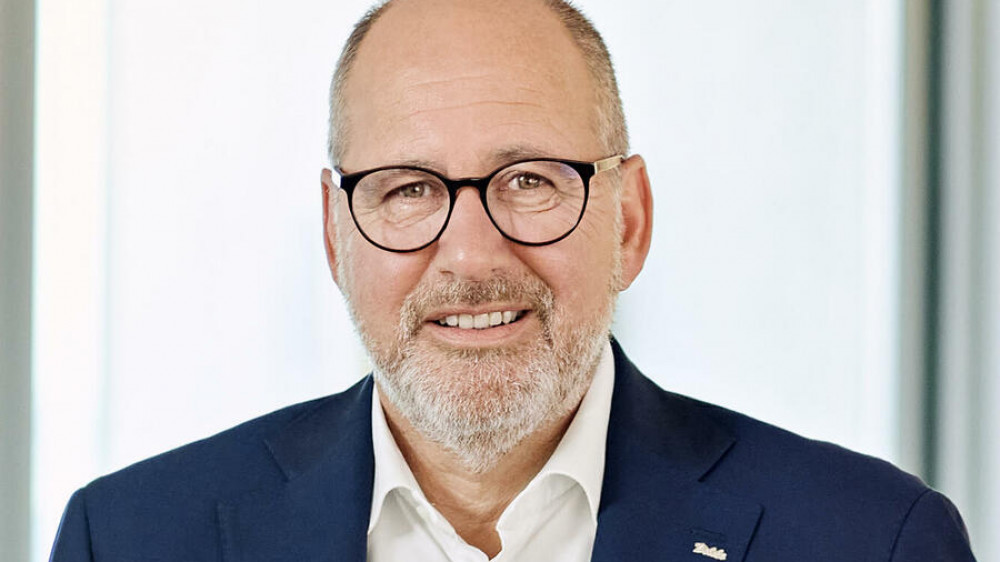
Thomas Brahm, Chairman of the PKV-Verband, interprets this as a search for security: "Especially in turbulent times, when the healthcare system faces major challenges, people are looking for security and trust in the stable and future-proof system of the PKV."
Financial Snapshot: Rising Payouts and Strategic Reserves
The 2024 financial data reveals a sector managing significant cost inflation while preparing for the long term:
| Metric | 2024 Value | Annual Change | Key Insight |
|---|---|---|---|
| Total Benefit Payouts | 40.3 billion euros | +13.0% | Reflects rising healthcare costs system-wide. |
| Health Insurance Payouts | 37.7 billion euros | +13.4% | Driven by medical treatments, drugs, and hospital stays. |
| Long-Term Care Payouts | 2.6 billion euros | +8.2% | Impacted by legislative benefit expansions. |
| Premium Income | 51.7 billion euros | +6.3% | Growth lags behind payout growth, squeezing margins. |
| Aging Reserves (Altersrückstellungen) | 341.7 billion euros | +4.1% | Core long-term stability mechanism; ~1/3 of each premium euro is reserved. |
The aging reserves are a defining feature of the German PKV. These are capital funds set aside from premiums to cover the higher expected healthcare costs of policyholders as they age. Brahm emphasizes their critical role: "With this earmarked provision capital, we can bear the additional demographic burdens in the coming decades... This secures the permanent financing contribution of the PKV. No burdens are shifted to the future." This contrasts with the pay-as-you-go (Umlageverfahren) financing of the public GKV, where current workers' contributions pay for current retirees' benefits.
Context for US Readers: The German PKV Model Explained
For an American audience, understanding these trends is easier with a US analogy:
- German Full PKV is similar to a comprehensive US individual/family health plan (e.g., from UnitedHealthcare or Blue Cross Blue Shield), but with lifetime guaranteed renewability and built-in aging reserves.
- German Supplemental PKV is directly comparable to Americans buying Medicare Supplement (Medigap) plans, dental insurance, or hospital indemnity policies to fill coverage gaps in their primary insurance (Medicare or an employer plan).
- The Aging Reserves concept is unique. It's akin to a health insurer being required to pre-fund a massive, individualized health savings account for each customer to cover their future elderly care, ensuring premiums remain stable over a lifetime.
The boom in supplemental insurance suggests Germans are adopting a strategy familiar to many Americans: relying on a base public/standard plan and customizing coverage with private add-ons for better protection and access.
Conclusion: A Hybrid Future for German Health Coverage
The 2024 PKV data paints a picture of a sector that is deeply integrated into the German healthcare ecosystem, not as a mere alternative but as a vital supplement. The explosive growth in Zusatzversicherungen points toward a future where hybrid coverage—GKV base + PKV supplements—becomes the norm for many seeking comprehensive protection. While the PKV faces the same cost inflation challenges as the entire system, its capital-funded model with substantial aging reserves is designed to provide long-term contribution stability, a key selling point in an era of uncertainty. For consumers, the message is clear: private health insurance in Germany, whether as full coverage or a supplement, is playing an increasingly prominent role in personal health and financial planning.