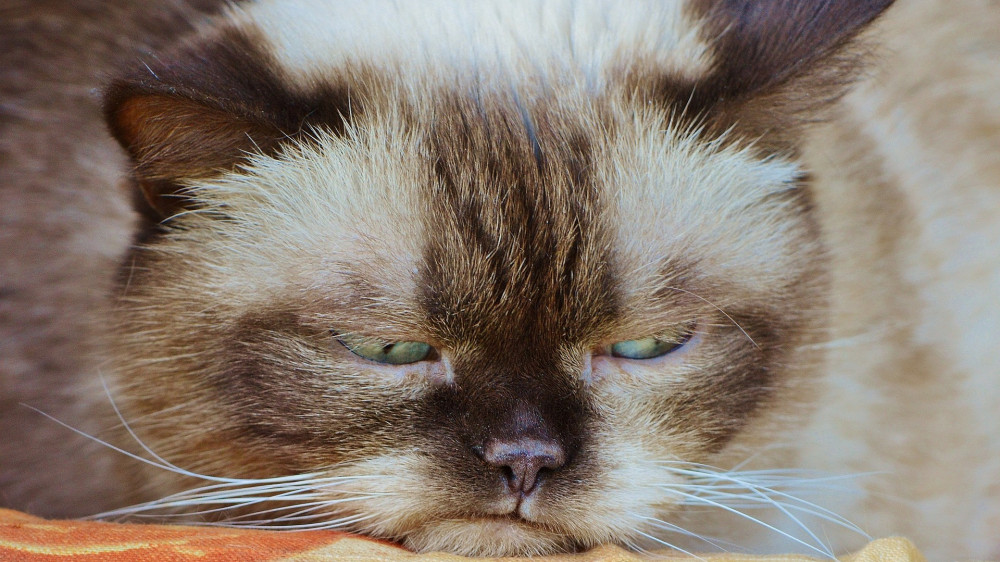
Is your furry friend more than just a pet—a beloved family member? With approximately 16.7 million cats and 10.3 million dogs in German households, pets provide crucial emotional support. But what happens when your companion faces a sudden illness or injury? Vet costs are soaring; for example, treating a dog's fracture can cost €1,400, while cruciate ligament surgery can reach €1,600. With updates to the veterinary fee schedule (GOT) nearly tripling some treatment costs, many households struggle to afford unexpected bills.
This is where pet health insurance (Tierkrankenversicherung) seems like a logical solution. The market primarily offers two types: surgery-only insurance (OP-Versicherung) and comprehensive health insurance (Krankenvollversicherung). Providers argue these policies are essential, offering financial and emotional security. However, consumer advocates like the portal Finanztip present a starkly critical view, warning that some policies can be expensive and even deceptive.
Advertisement
The High Cost of Coverage: Are Premiums Justified?
Critics question whether even expensive surgeries justify years of premium payments. While a surgery-only plan for a young, small dog might start under €200 annually (with a 20% deductible), premiums rise sharply with age and breed. One test found the most expensive surgery plan for a five-year-old dog cost €771.60 per year. Comprehensive insurance is costlier: the cheapest plan for a young dog started at €369.48 annually, but the priciest for a five-year-old dog hit €2,373. For an older, large breed like a seven-year-old Labrador Retriever, annual premiums in a Stiftung Warentest review reached a staggering €4,963.
The Trap of Breed-Specific Exclusions
Perhaps the most significant pitfall lies in policy exclusions. Many breeds are predisposed to specific health issues: Dachshunds and similar breeds risk intervertebral disc disease ("Dachshund paralysis"), Bulldogs and Pugs face breathing problems, and German Shepherds are prone to hip dysplasia. Insurers often include clauses excluding treatments for congenital or hereditary conditions. The danger is that a wide range of ailments in predisposed breeds could be linked back to these exclusions, allowing an insurer to deny claims. As Finanztip warns, these clauses can apply to "many treatment reasons—starting with hip dysplasia in certain dog breeds... or respiratory problems in Pugs or Persian cats." This risks negating the very coverage you sought.
Problematic Cancellation Rights
Consumer advocates also highlight risks related to cancellation rights. Policies often grant the insurer an extraordinary right to cancel after a major claim is paid, potentially leaving your pet uninsurable for future conditions. Furthermore, the policyholder's ordinary right to cancel annually can be a double-edged sword: while it allows you to switch providers, insurers may significantly increase premiums at renewal for older pets, making continuous coverage unaffordable.
Advertisement
Smart Alternatives to Pet Insurance
Given these pitfalls, what are your options? Finanztip suggests a disciplined self-funding strategy: open a dedicated savings account for vet costs. Instead of paying a €500 annual premium, deposit that amount into a separate account or a sub-account of your main bank. This creates a tax-free fund you control, free from policy exclusions or premium hikes. If you never need it, you keep the money. This requires financial discipline but offers ultimate flexibility.
Finding a Good Policy: Is It Possible?
Despite the criticism, reputable testers like Stiftung Warentest have identified recommendable policies. The key is meticulous comparison. Scrutinize exclusion clauses, understand premium increase mechanisms, and compare coverage limits. The role of consumer advocates and rating agencies is crucial in pushing the market toward higher, more transparent standards—similar to the evolution seen in income protection insurance.
For insurance brokers and financial advisors, navigating this complex product requires deep expertise to guide clients through fine print and ensure they get genuine value. As the industry faces broader challenges like claims backlogs and high customer expectations, providing clear, honest advice on niche products like pet insurance is more important than ever for building trust and managing client relationships effectively.