What Happens to Your Fund-Based Pension at Retirement? A Critical Advisor's Guide
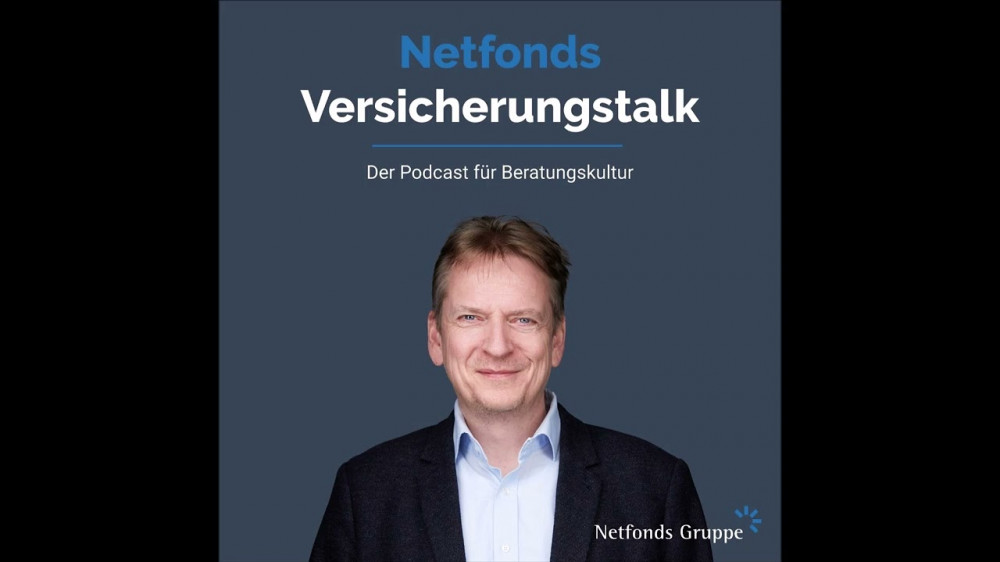
Have you diligently saved into a fondsgebundene Rentenversicherung (fund-based private pension) throughout your career? When retirement finally arrives, you might face a surprising and critical decision: what happens to your accumulated capital? In a revealing Netfonds podcast, Maurice Bertke of Swiss Life AG argues that the payout phase is a severely underestimated conversation topic for advisors and clients alike. Understanding your options here is as vital as choosing the right private health insurance (PKV) plan or navigating US Medicare enrollment.
The Common Pitfall: Losing Market Participation at Retirement
Consider this common scenario: a 67-year-old client retires with €500,000 in their fund-based pension contract. With most traditional providers, the standard procedure is to transfer this entire lump sum into the insurer's "Deckungsstock" (cover fund)—a low-interest, conservative pool of assets. Effectively, your money is taken off the market.
Bertke identifies this as a fundamental contradiction. Clients who consciously chose to participate in capital market growth for decades are suddenly cut off from those very benefits during the payout phase. This happens despite the fact that retirement durations are statistically increasing, meaning your savings may need to support you for 20, 30, or even more years.
A Smarter Approach: Staying Invested During Payout
Forward-thinking providers like Swiss Life (and others) offer a different path. They allow the contract value to remain fondsgebunden (fund-linked) even during the payout phase. Instead of converting the entire sum into a fixed, low-yield annuity, the capital continues to be invested according to a chosen strategy.
The advantage is clear: the potential for significantly higher total retirement income. By remaining exposed to market growth, your pension pot can continue to grow, helping to offset inflation and extend the longevity of your savings. This concept is similar to how a balanced portfolio is crucial for retirees in the US managing 401(k) withdrawals or Medicare Supplement costs.
Why the Payout Phase Demands Your Advisor's Focus
Bertke strongly recommends that financial advisors and Versicherungsmakler (insurance brokers) place much greater emphasis on the retirement payout phase during client consultations. This isn't just about choosing a provider; it's about crafting an income strategy. Key discussion points should include:
| Advisory Focus Area | Key Questions & Considerations |
|---|---|
| Payout Flexibility | What are the options? A fixed monthly annuity, variable payments, or a hybrid model? Can you adjust the payout amount if needed? |
| Continued Investment Strategy | How will the remaining capital be invested? What is the asset allocation, and how does it adjust for risk as you age? What are the costs? |
| Safety & Security Mechanisms | What guarantees, if any, are in place to protect against market downturns? Is there a minimum payout guarantee? |
| Tax Efficiency | How are the payouts taxed? What is the most tax-advantageous withdrawal strategy in your specific situation? |
| Longevity Planning | How does the plan account for increasing life expectancy? Does it offer protection against outliving your savings? |
Actionable Takeaways for Your Retirement Planning
Whether you're an advisor or planning your own retirement, this discussion highlights essential steps:
- Start the Conversation Early: Don't wait until retirement is imminent. Discuss the payout options of your pension contract years in advance, just as you would review your health insurance plans annually.
- Compare Providers Critically: Not all pension contracts are created equal. Scrutinize the terms for the payout phase. Does your provider force a transfer to a low-yield fund, or do they allow continued market participation?
- Seek Specialized Advice: Work with a reliable insurance advisor or financial planner who understands the nuances of decumulation strategies. This expertise is as valuable as finding an expert in German PKV or US Medicare Advantage plans.
- Balance Growth and Security: The goal is to find a solution that provides a reliable income stream while still allowing your capital the potential to grow, protecting your purchasing power throughout a long retirement.
The transition from saving to spending your pension is one of the most critical financial shifts you'll make. By focusing on the often-overlooked payout phase and choosing a modern, flexible product, you can ensure your hard-earned savings continue to work effectively for you throughout your retirement years.
For a deeper dive into the safety aspects and detailed advisor insights, listen to the full Netfonds podcast episode with Maurice Bertke.
Listen to the full podcast:
Apple Podcasts | YouTube | Spotify