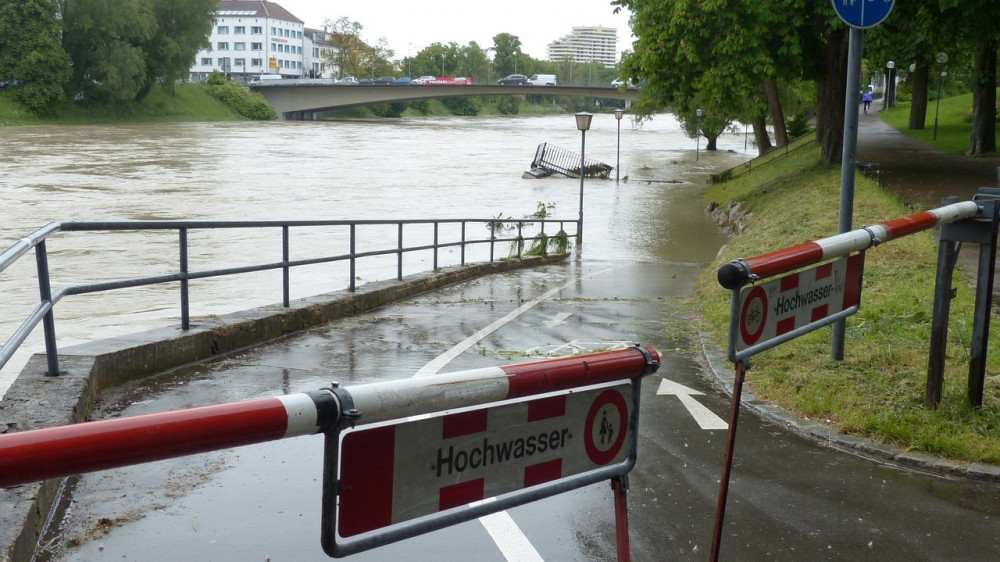
Flood Protection Measures: A Smart Economic Investment for Homeowners and Insurers
Have you considered how climate change could impact your home and your wallet? As climate change and urbanization accelerate, the risk of devastating floods is rising globally. This isn't just an environmental issue—it's a direct threat to your financial security and the stability of the insurance market. A stark report from the Swiss Re Institute reveals that natural catastrophes caused $280 billion in global losses in 2023, with floods alone accounting for $51.6 billion. Without action, climate-related damages could at least double by 2050. The critical question for you as a homeowner is: should we pay to prevent disasters or pay far more to rebuild after them?
The Compelling Economics of Proactive Flood Defense
Investing in flood protection infrastructure like levees, dams, and flood gates requires significant upfront capital. However, the long-term economic benefits are undeniable. The Swiss Re Institute study demonstrates that these measures can be two to seven times more cost-effective than bearing the losses, and in high-risk areas, the benefit can exceed costs by tenfold. When optimally designed, such defenses can reduce flood damage in densely populated regions by 60 to 90%. For less populated areas, nature-based solutions like restoring barrier islands or planting riparian buffers are also highly effective.
This principle of "prevention over cure" is crucial for managing homeowners insurance costs. As flood risks increase, so do claims, which inevitably drive up premiums for everyone. Proactive protection is an investment that safeguards both property and insurance affordability.
The Insurance Industry's Call for Coordinated Prevention
Major industry bodies like the German Insurance Association (GDV) and the German Actuarial Association (DAV) are urgently advocating for comprehensive prevention strategies. They emphasize that effective flood protection requires coordination across regions and even national borders, as rivers do not follow jurisdictional lines.
Maximilian Happacher, Chairman of the DAV, stresses that prevention must also be encouraged at the individual property level. Homeowners who invest in flood mitigation measures—such as installing backflow valves, using water-resistant materials, or elevating utilities—can significantly reduce their personal risk. Many insurers offer premium discounts for such steps, creating a direct financial incentive for you to fortify your home.
The Debate on Mandatory Coverage and Rising Premiums
The discussion around making natural hazard insurance mandatory is complex. The DAV expresses skepticism, warning that compulsory coverage could create a moral hazard, where homeowners invest less in prevention knowing insurance will cover the damage. Jörg Asmussen, CEO of the GDV, issues a stark warning: without effective prevention, climate-related losses alone could double premiums for building insurance within a decade. "In some places, insurance could become so expensive that many customers can no longer afford it," Asmussen states.
This is a pressing issue. While natural peril coverage is now standard for new policies in Germany, an estimated 8.3 million buildings still lack comprehensive protection against floods and heavy rain. Older policies often cover only wind or hail, missing the critical flood insurance add-on. Ensuring you have the right coverage is a fundamental step in your disaster preparedness plan.
A Path Forward: Public-Private Partnerships for Resilience
To manage costs and ensure broad protection, industry experts advocate for stronger collaboration between the state and the insurance sector. Successful international models in countries like France, Belgium, and the UK use public-private partnerships to distribute the costs of extreme weather events fairly and secure widespread insurance coverage. A similar model could help Germany manage the financial burden sustainably for both insurers and policyholders.
Veronica Scotti, Chairperson of Public Sector Solutions at Swiss Re, reinforces this view: "Investments in flood protection strengthen not only safety but also economic resilience." She calls for better frameworks to attract private capital for these vital projects. By involving insurers early in the planning of protection measures, communities can leverage their risk management expertise to build more financially secure and resilient regions.
Your Takeaway: Viewing flood protection as a strategic economic investment is essential. It protects your largest asset—your home—mitigates future insurance premium hikes, and contributes to the overall stability of the community. Review your insurance policy today, consider preventive measures for your property, and support broader infrastructure investments. It's the most cost-effective strategy for navigating a future of increasing climate risk.