7 Healthy Foods That Can Ruin Your Sleep: A Guide to Better Bedtime Nutrition
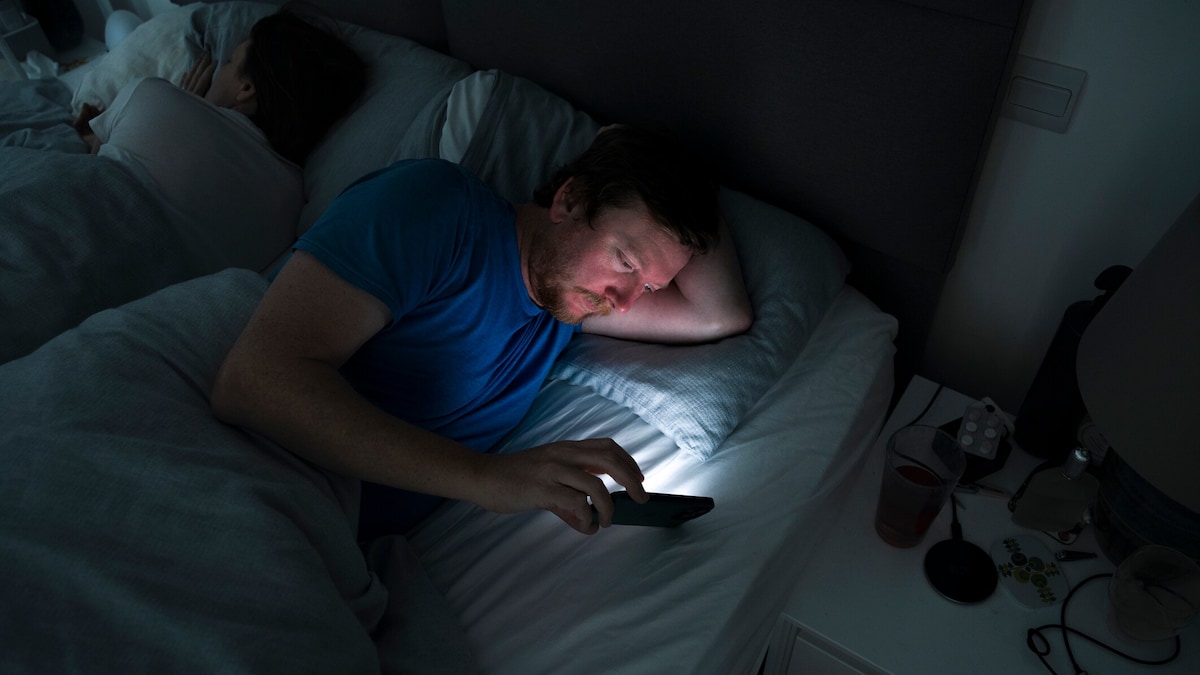
Do you find yourself staring at the ceiling at night, unable to fall asleep or stay asleep? While factors like room temperature and noise levels are important, your diet plays a crucial and often overlooked role in sleep hygiene. Just as choosing the right health insurance plan—be it private health insurance in the US or navigating Medicare/Medicaid—requires careful consideration, so does selecting your evening snacks. Certain foods, even healthy ones, can disrupt your sleep cycle, leading to fatigue and impacting your next day's performance. This guide will walk you through seven common healthy foods that might be sabotaging your rest.
Think of your body's digestive system like a complex insurance policy. It needs the right conditions to function optimally. Eating the wrong foods before bed is like filing a complicated claim right before closing hours—it causes delays and system overload. Let's explore the foods to avoid for a peaceful night's sleep.
Foods to Avoid Before Bed: The Sleep Disruptors
Here is a detailed comparison of common healthy foods and why they can be problematic for sleep, similar to how understanding the fine print is key in any insurance plan.
| Food Item | Why It's Considered Healthy | How It Disrupts Sleep | Recommended Cut-off Time Before Bed |
|---|---|---|---|
| Aged Cheeses (Cheddar, Parmesan) | Rich in calcium, iron, potassium, zinc. | High in saturated fats, hard to digest, can cause heartburn and discomfort. | 4-6 hours |
| Dark Chocolate (70%+ cocoa) | Antioxidants, less sugar than milk chocolate, contains tryptophan. | Contains caffeine (half a bar ≈ half a cup of tea). Can stimulate the nervous system. | 3-4 hours |
| Matcha Powder & Products | High in antioxidants, often a coffee alternative. | High caffeine content. Added sugar in snacks causes blood sugar spikes and crashes, leading to night waking. | 4-5 hours |
| Red Meat (Beef Patty, Steak) | Excellent source of iron, iodine, and B vitamins. | High in protein and fat, demanding on the digestive system, leading to restless sleep. | At least 3 hours |
| Processed Meats (Ham, Deli Meats) | Source of protein. | High sodium content causes bloating and thirst, potentially leading to nighttime bathroom trips. | Avoid large portions at dinner |
| Raw Vegetables & Leafy Greens | High in soluble fiber, great for weight management. | Fermentable fibers can cause gas and bloating when digestion slows overnight. | 2-3 hours, opt for cooked versions at dinner |
| High-Fructose Fruits (Grapes, Mango, Dates) | Natural sugars, vitamins, and energy. | Excess fructose not used for energy can disrupt metabolism and may cause energy spikes when the body is winding down. | 1-2 hours, keep portions small |
Understanding the Impact: Digestion and Sleep Cycles
Your body's digestive process slows down during sleep. Consuming hard-to-digest foods is akin to expecting immediate coverage for a pre-existing condition—it creates a backlog. Fatty, protein-rich, or high-fiber foods require more work, raising your core body temperature and keeping your system active when it should be resting. This directly interferes with the natural drop in body temperature needed to initiate and maintain deep sleep.
Furthermore, stimulants like caffeine in dark chocolate and matcha block sleep-inducing chemicals in your brain. The resulting blood sugar rollercoaster from sugary matcha snacks or high-fructose fruits can trigger wakefulness and cravings, interrupting your sleep cycle much like an unexpected medical bill disrupts a budget.
Creating Your Sleep-Friendly Evening Routine
Just as you would review your private health insurance or Medicare Advantage plan annually, assess your evening eating habits. Here are some positive steps:
- Time Your Meals: Aim to finish large meals 2-3 hours before bedtime. A small, sleep-promoting snack 45-60 minutes before bed is okay if needed.
- Choose Sleep Allies: Opt for foods containing tryptophan (like turkey), magnesium (like almonds), or melatonin (like cherries) in small amounts.
- Stay Hydrated Smartly: Drink water throughout the day but taper off 1-2 hours before sleep to minimize nighttime disruptions.
- Listen to Your Body: Keep a food and sleep journal. Notice if nights after a heavy cheese plate or a matcha latte are more restless.
Prioritizing sleep nutrition is a proactive wellness strategy. By making informed choices about what you eat in the evening, you invest in higher-quality sleep, which supports mental clarity, immune function, and long-term health—benefits as valuable as having a comprehensive and understandable health insurance plan. Start tonight by avoiding these seven common sleep disruptors and pave the way for more restful, rejuvenating sleep.