If you hold a private health insurance (Private Krankenversicherung - PKV) policy or any long-term insurance contract in Germany, the stability and strategic direction of major insurance groups matter to you. Recent executive news from Talanx AG, one of Europe's leading insurance giants, underscores this connection. Jean-Jacques Henchoz, a key figure, will not renew his contract upon its expiration and will leave the Talanx board on March 31, 2025, by his own request.
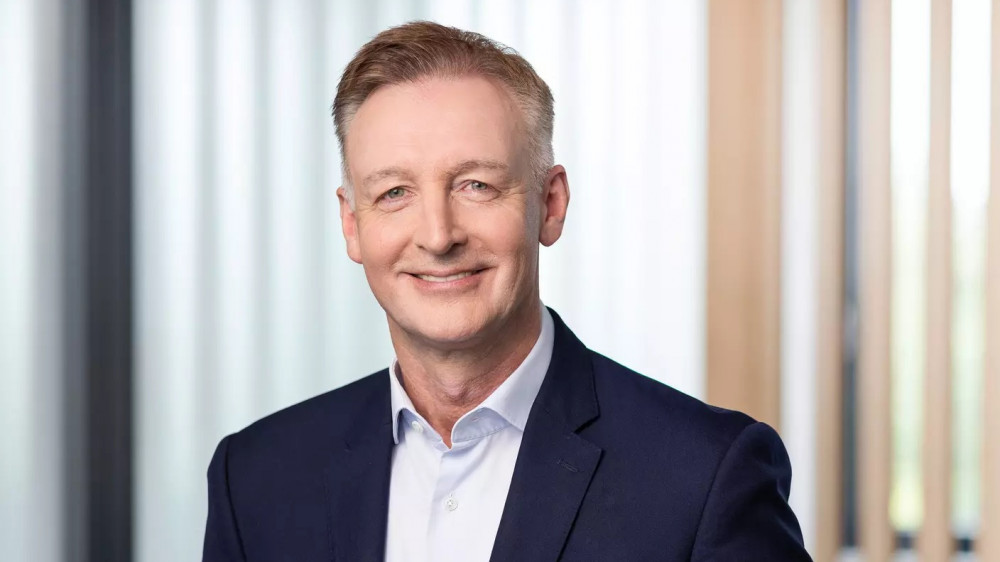
Stepping into this crucial role is Clemens Jungsthöfel. The 54-year-old, currently the CFO of Hannover Re, is slated to become its CEO on April 1, 2025, succeeding Henchoz there as well. Jungsthöfel will then assume responsibility for the reinsurance division on the Talanx board. A trained insurance salesman, he brings deep industry expertise from his tenure at Hannover Re since September 2020, previous board membership at the corporate insurer HDI Global, and experience as a partner at KPMG auditing and consulting numerous primary and reinsurance companies.
Why Board-Level Changes Affect Your Coverage
Executive transitions at parent companies like Talanx might seem distant from your personal PKV policy. However, they signal strategic priorities that can trickle down to product offerings, risk management, and ultimately, the security of your coverage. Here’s why you should pay attention:
| Leadership Change Factor | Potential Impact on Policyholders (You) |
|---|---|
| Strategic Continuity | Appointing an internal successor like Jungsthöfel, who is already deeply familiar with the group's operations, often indicates a focus on stability and consistent strategy—a positive for long-term policyholders. |
| Reinsurance Expertise | Reinsurance is the "insurance for insurers." Strong leadership here ensures the group can manage large-scale risks (like natural disasters or pandemic claims), which directly supports the financial resilience of its primary insurance units that serve you. |
| Financial Stewardship | Jungsthöfel's background as CFO emphasizes financial acumen. This focus on profitability and capital strength is essential for an insurer's ability to meet future claims on policies like your private health insurance. |
Herbert K. Haas, Chairman of the Supervisory Board of Talanx AG, commented on the transition: "We very much regret Jean-Jacques Henchoz's decision. He has very successfully steered the reinsurance division through turbulent times with strategic foresight and significantly expanded Hannover Re's market position and profitability. I thank him very much on behalf of the entire Supervisory Board and wish him all the best and much success in his next phase of life. I also wish his successor Clemens Jungsthöfel every success in his new role."
Understanding the Insurance Ecosystem: From Your PKV to Global Reinsurance
To grasp the full picture, it helps to understand the layers of the insurance world:
- Your Policy (e.g., PKV): This is your direct contract with a primary insurer (which may be part of a larger group like Talanx).
- The Primary Insurer: They collect your premiums and pay your claims.
- The Reinsurer (e.g., Hannover Re): They insure the primary insurers, absorbing portions of large or catastrophic losses. This system stabilizes the entire market.
A well-managed reinsurance division, as highlighted by this Talanx appointment, acts as a critical shock absorber. It ensures that even in times of major claims, your primary insurer remains solvent and capable of honoring its commitments to you.
German PKV & U.S. Insurance: A Comparative View on Stability
For American readers, drawing parallels can clarify the importance of such corporate governance news:
- German PKV vs. U.S. Private Health Insurance: Both are long-term financial commitments. The stability of the parent corporation (like Talanx in Germany or a major U.S. holding company) is a key factor in the reliability of your health plan. Executive appointments focused on financial and risk expertise are universally seen as positive indicators.
- The Role of Reinsurance: While less visible to consumers, reinsurance is a global backbone. A stable Hannover Re supports the German PKV market similarly to how reinsurance giants like Swiss Re or Munich Re provide stability to the global market, including U.S. insurers.
- Consumer Takeaway: Whether you're enrolled in Germany's PKV (akin to comprehensive U.S. private insurance) or the statutory GKV (more comparable to a broad Medicare-like system), the financial health of the large groups operating in the background contributes to overall market security.
Securing Your Own Future Beyond Corporate Headlines
While it's reassuring to know that major insurers are managed by experienced professionals, your personal financial security requires direct action. A universal gap in both Germany and the U.S. is income protection. Disability insurance (Berufsunfähigkeitsversicherung) is consistently cited as one of the greatest risks to financial independence. No standard health insurance—whether German PKV or American private insurance—replaces your income if you cannot work.
Therefore, use news of industry stability as a prompt to review your own portfolio:
- Assess Your Insurer's Foundation: Choose providers that are part of financially sound, well-governed groups.
- Close Your Personal Coverage Gap: Ensure your private health insurance is complemented by a robust disability insurance policy to protect your earning power.
Conclusion: Leadership as a Pillar of Policyholder Trust
The appointment of Clemens Jungsthöfel to the Talanx board is more than an internal personnel move. It represents a commitment to experienced leadership, financial discipline, and strategic continuity in the complex world of reinsurance. For you, the policyholder, this translates into greater confidence in the underlying stability of the insurance groups that provide your essential coverage. By understanding these connections and ensuring your personal safety net is complete, you can build a more secure financial future, backed by a resilient industry.