Insurance Sector Wage Talks 2025: Strike Action Raises Stakes for Final Deal
The 2025 collective bargaining negotiations for Germany's private insurance sector have entered a tense and critical phase. Representing approximately 180,000 employees, the United Services Union (ver.di) and the Employers' Association of Private Insurance Companies (AGV) are locked in a dispute over fair wage increases. After a third round of talks ended without an agreement, ver.di escalated by calling a nationwide strike, bringing operations in major cities to a halt. With a fourth and potentially decisive round scheduled, the pressure is immense. This breakdown examines the latest offers from employers, the core demands of the union, the impact of the strike, and what a final agreement could mean for the industry's workforce and its stability.
The State of Play: Latest Employer Offer vs. Union Demands
Following the third negotiation round, the AGV presented a revised offer in an attempt to break the deadlock. However, ver.di has rejected this proposal, labeling it insufficient and warning of real wage losses for employees.
| Negotiation Point | Latest AGV (Employer) Offer | ver.di Union Position & Demands | Key Point of Contention |
|---|---|---|---|
| Contract Duration | 28 months (reduced from 35) | Seeking a shorter term to allow for quicker renegotiation amid inflation. | Duration is less contentious than the total financial package. |
| Wage Increase Structure | 4.8% from Aug 1, 2025 + 3.3% from Sep 1, 2026. Total: 8.29% over 28 months. |
Rejected. Demands a significantly higher total increase to outpace inflation and ensure real wage growth. | The union argues 8.29% over two+ years equates to a net loss in purchasing power due to living costs. |
| One-Time Payment | Not specified in latest reported offer. | Likely a key demand to provide immediate inflation relief for employees. | A potential compromise element to bridge the gap on the base wage increase. |
| Overall Tone & Criticism | Views offer as a move toward compromise. | Calls the offer "highly embarrassing" for a trust-based industry; warns of real wage losses. | Union frames the dispute as about fairness and sharing in the sector's profitability. |
The Escalation: Nationwide Strike Action on June 26, 2025
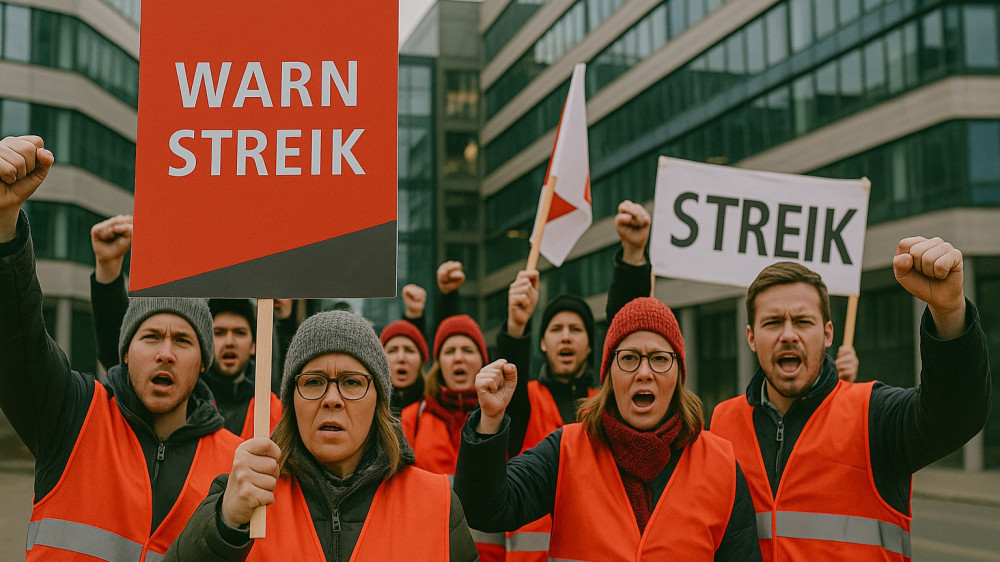
Frustrated by the lack of progress, ver.di called for a national strike in the insurance industry on June 26, 2025. This strategic move was designed to demonstrate the collective power of the workforce and increase pressure on employers ahead of the next negotiation round. Strikes affected key insurance hubs across Germany, including:
- Major Financial Centers: Frankfurt, Berlin, Munich, Hamburg, Düsseldorf, Cologne, Stuttgart.
- Regional Hubs: Hannover, Kiel, Karlsruhe.
The walkouts disrupted operations at major insurers, impacting customer service, claims processing, and administrative functions. This action underscores the high stakes and the union's determination to secure a better deal, raising the pressure significantly for the fourth round of talks.
Core Union Arguments and Industry Context
ver.di's negotiating position is built on several key arguments aimed at public and employee sentiment:
- Real Wage Protection: The central claim is that the offered increase does not compensate for current and projected inflation, leading to a decrease in employees' real purchasing power.
- Fair Share of Profits: The union contends that the insurance sector remains profitable and financially stable, and employees deserve to participate in this success, especially after years of contributing to digital transformation and efficiency gains.
- Recruitment and Retention: In a tight labor market, competitive wages are essential to attract and retain skilled talent in areas like IT, data analytics, and customer service, which are crucial for the industry's future.
- Moral High Ground: By calling the offer "embarrassing," ver.di frames the conflict as a breach of the trust and integrity the industry demands from its clients, suggesting fair treatment of staff is part of that social contract.
What's Next? Potential Outcomes and Implications
All eyes are now on the fourth negotiation round. Several scenarios are possible:
- Last-Minute Agreement: The most likely outcome is a compromise reached under strike pressure. This could involve a slightly higher total percentage, the inclusion of a one-time inflation bonus, or improvements to other benefits.
- Further Escalation: If talks fail again, ver.di could call for indefinite or rotating strikes, causing more severe and prolonged disruption to the industry.
- Arbitration: Both parties could agree to bring in a neutral arbitrator to propose a binding or non-binding settlement.
For insurance employees, the outcome will directly affect their financial well-being for the next two years. For insurance companies, a prolonged dispute risks operational disruption, reputational damage, and challenges in workforce morale. For clients and policyholders, extended strikes could lead to delays in service. A fair and timely resolution is in the interest of all parties to maintain the stability and trusted function of the German insurance sector.