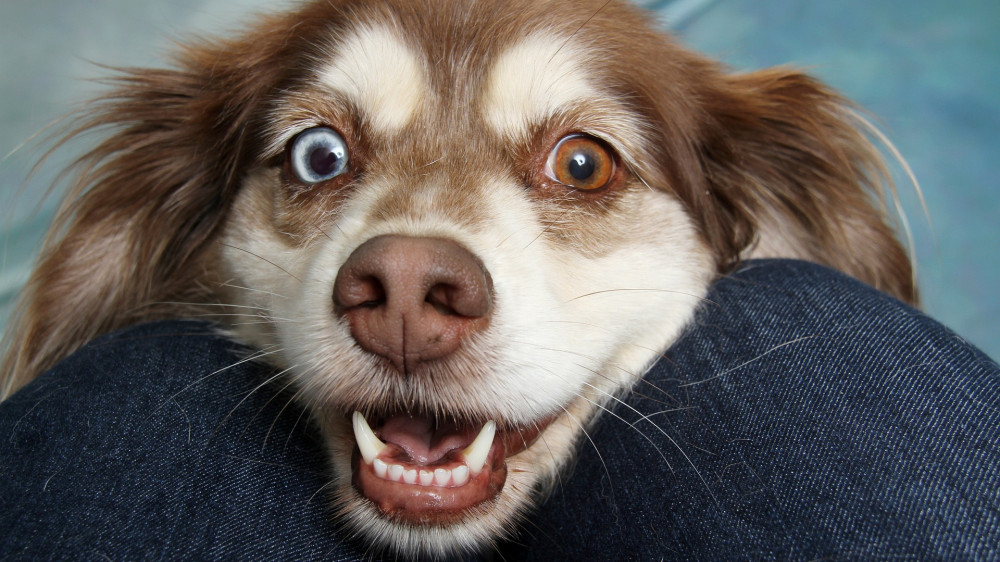
Are you one of the millions of dog owners in Germany? With approximately 10.3 million dogs living in 21% of households, our canine companions are cherished family members. The pet industry reflects this deep bond, with Germans spending billions annually on dog food, treats, and accessories. However, beyond the joy and companionship lies a significant responsibility: liability for any damage or injury your dog may cause. A single incident can lead to substantial financial claims from neighbors, friends, or strangers.
Understanding the legal landscape is crucial for protecting your finances. German courts have ruled on numerous cases defining the limits of a dog owner's liability. Being aware of these precedents can help you avoid costly mistakes and ensure you have the right dog liability insurance (Hundehaftpflichtversicherung) in place. As Dr. Torsten Melles of Nordlight Research notes, the pet insurance market still holds significant growth potential, indicating that many owners may still be underinsured.
Advertisement
Why Dog Liability Insurance is Non-Negotiable
While you diligently care for your pet's health with quality food and possibly pet health insurance, securing liability coverage is equally critical. Standard homeowner's or renter's insurance often excludes or provides insufficient coverage for damages caused by pets. A dedicated dog liability policy is designed to cover:
- Bodily injury to a third party (e.g., a bite or knock-over).
- Property damage (e.g., a chewed sofa at a friend's house or a ruined garden).
- Financial losses resulting from the above (e.g., lost wages due to injury).
Without this coverage, you could be personally liable for tens of thousands of euros. The following examples, based on actual court rulings, illustrate common scenarios where liability becomes a serious issue.
Key Court Rulings on Dog Owner Liability
German jurisprudence provides clear guidance on an owner's responsibility. Here are six pivotal types of rulings every dog owner should understand:
- The 'Leash Law' is Absolute in Designated Areas: Courts consistently rule that if a local leash law (Leinenzwang) exists in a park or zone, letting your dog off-leash constitutes negligence. If your unleashed dog causes any damage—even if it's normally friendly—you will be held fully liable for failing to comply with the ordinance.
- Liability for Fright Reactions, Even Without Contact: A dog does not need to bite or touch someone to trigger liability. If your dog jumps up on or aggressively runs toward a person, causing them to fall and injure themselves out of fear, you are typically liable for the resulting injuries. The court focuses on the dog's behavior as the cause of the accident.
- Damage to Leased Property: You are responsible for damage your dog causes to a rented apartment (e.g., scratched floors, stained carpets, chewed doors). Landlords can claim the full cost of restoration from the security deposit and beyond. Specialized clauses in your liability insurance may cover this, but standard policies often have limits.
- The 'First Bite' Rule Has Limits: While some believe owners aren't liable for a dog's first bite if it had no prior aggression history, this is a dangerous misconception. Courts assess the overall situation. If the owner failed to properly supervise or control the dog in a public space, they can be found negligent and liable even for a first incident.
- Breed-Specific Legislation (BSL) Impacts Liability: For owners of breeds listed under Kampfhund (fighting dog) regulations in certain states, the legal requirements are stricter. Failure to comply with mandatory muzzle, leash, or liability insurance requirements can lead to automatic liability in case of an incident, alongside significant fines.
- Liability When Dogs Are in Someone Else's Care: If you leave your dog with a friend, family member, or professional dog sitter, clarify who is responsible. Generally, the person physically controlling the dog at the time of the incident (the custodian) shares liability. However, as the owner, you could still be partially liable if you entrusted your dog to an obviously incapable person.
For insurance brokers and financial advisors, educating clients about these risks is a valuable service. The pet insurance sector, encompassing both health and liability products, represents a growing niche. By helping clients navigate breed-specific clauses, coverage limits, and legal obligations, advisors can provide essential protection and build long-term trust. In an industry grappling with operational challenges, offering clear, specialized advice on products like dog liability insurance meets a clear consumer need and enhances professional relevance.