Event Insurance Explained: How to Protect Your Major Sports Event or Festival from Financial Disaster
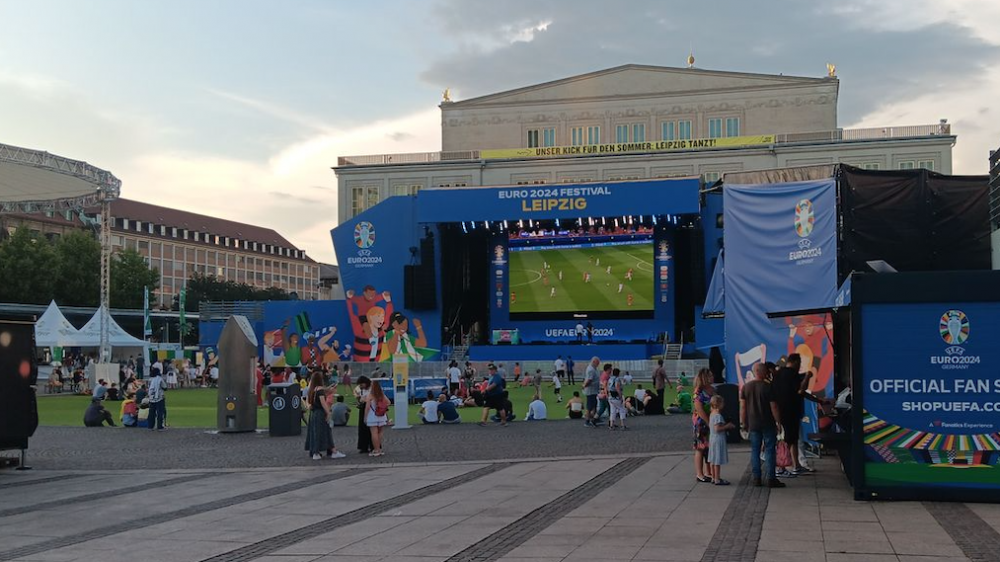
Organizing a large-scale event—whether it's a sports tournament like the UEFA EURO, a music festival like Rock am Ring, or a city marathon—is a monumental undertaking with significant financial risk. Extreme weather, terrorism threats, accidents, or last-minute cancellations can turn a highly anticipated event into a catastrophic loss. Event insurance is not just an optional add-on; it's a fundamental pillar of responsible event planning. Drawing on insights from industry expert Matthias Glesel, who has insured over 202,000 events, this guide breaks down the essential insurance policies every event organizer needs.
The Three Pillars of Essential Event Insurance
Comprehensive event risk management rests on three core insurance pillars: Liability, Equipment, and Cancellation/Postponement.
1. Event Liability Insurance (Veranstaltungshaftpflichtversicherung)
This is your first and most critical line of defense. It protects you if your event causes bodily injury to attendees or third parties, or property damage.
- Key Coverage Points:
- Early Activation: Coverage should start during the setup/build-up phase, not just the event day. For long-term planning, it may need to begin years in advance.
- Broad Protection: Should cover damage to rented venues (floors, structures, roads), injuries from side events (fireworks, cultural performances), and incidents in fan zones or cloakrooms.
- Contractual Liability: Must include coverage for liabilities assumed in rental contracts, even for no-fault damage from storms, fire, or vandalism.
2. Equipment & Technical Insurance
Major events rely on expensive rented equipment: stages, lighting, sound systems, video walls, timing technology, fencing, and sanitary facilities.
- What It Covers: Physical damage to or theft of rented equipment, including during transport, setup, and the event itself.
- Specialized Risks: Policies must be tailored to the event. This includes coverage for drones (for aerial footage), underwater cameras, high-speed flycams, and specialized sports technology.
- All-Risk Principle: Seek coverage for all risks unless specifically excluded, protecting against accidents, weather damage, and vandalism.
3. Event Cancellation & Postponement Insurance (Ausfallversicherung)
This is often the most expensive but most crucial policy for large events. It protects your financial investment if the event is canceled, abandoned, or postponed.
- Covered Triggers Include:
- Extreme Weather: Storms, heavy rain, flooding that makes the event unsafe or impossible.
- Security Threats: Terrorism warnings, attacks, mass shootings.
- Official Bans: Government or police orders canceling the event.
- Force Majeure: Unforeseen circumstances like a pandemic.
- Key Participant Failure: Non-appearance of a headline act or essential team.
- Financial Protection: Covers lost revenue, irrecoverable costs, and potential sponsor clawbacks or broadcast right losses.
Challenges in Insuring Major Events: An Insider's View
Securing adequate insurance for mega-events like the UEFA EURO presents unique hurdles:
- Risk Complexity: Assessing the interplay of countless risks (crowd control, weather, terrorism, contractual obligations with sports federations) requires deep expertise.
- Limited Insurance Capacity: For the largest events, the total risk value can exceed what the insurance market is willing to underwrite in one policy, requiring complex syndication across multiple insurers.
- Stringent Bidding Processes: Organizers often run formal tenders, making it difficult for less-experienced brokers to compete.
- Policy Exclusions & Fine Print: Understanding subtle differences in coverage terms between insurers is time-consuming but vital.
Insurance Needs: Organizers vs. Participants & Attendees
| Group | Primary Insurance Needs | Policy Types |
|---|---|---|
| Event Organizer | Protection from financial loss and third-party lawsuits. | Event Liability, Equipment, Cancellation, Cyber Liability (for ticket systems). |
| Participants (Athletes, Teams, Performers) | Protection of income and investment in case they cannot participate. | Personal accident, income protection, travel insurance, equipment insurance for personal gear. |
| Attendees / Ticket Holders | Protection of personal investment in tickets, travel, and accommodation. | Special event ticket insurance (similar to trip cancellation/interruption insurance). |
| Vendors & Contractors | Protection of their business operations at the event. | Own liability insurance, business interruption coverage. |
Common Pitfalls & Exclusions to Watch For
Even with insurance, gaps can lead to denied claims. Organizers and brokers must pay attention to:
- Transport Coverage: Is rented equipment covered during transit to and from the venue?
- Side Events: Are press conferences, fan zones, sponsor activations, and team presentations explicitly included?
- Code of Conduct Violations: Could breaches of event rules (e.g., fan zone codes of conduct) lead to liability claims? Coverage needs to be assessed.
- Vandalism by Unidentified Persons: Does the policy cover property damage caused by unknown third parties, even if the organizer is not at fault?
- Communications: The broker must be fully informed of all special agreements and contractual obligations to ensure they are incorporated into the coverage.
Expert Tips for Securing the Right Event Insurance
- Engage Your Broker Early: Involve your insurance advisor in the planning stages, not as a last-minute formality. This allows for proper risk assessment and solution design.
- Secure Flexible Capacity: Work with brokers who can arrange policies with "reserve capacity," allowing for easy increases in coverage if the event scales up, without scrambling for new insurers.
- Demand Clarity on Coverage Triggers: Precisely understand what triggers cancellation coverage (e.g., specific weather measurements, official orders) and what is excluded.
- Insure All Phases: Ensure coverage is seamless from initial planning and setup through to teardown and post-event liabilities.
- Consult a Specialist: For large or complex events, the standard market is insufficient. Work with a broker who specializes in event and entertainment insurance.
Conclusion: Don't Gamble With Your Event's Success
An uninsured or underinsured event is a gamble with potentially ruinous consequences. The financial impact of a cancellation or a major accident can far exceed the insurance premium. By building a robust insurance program on the three pillars of Liability, Equipment, and Cancellation coverage, and by working with experienced specialists, event organizers can transfer these existential risks. This allows you to focus on creating an unforgettable experience, secure in the knowledge that your venture is financially protected against the unpredictable.