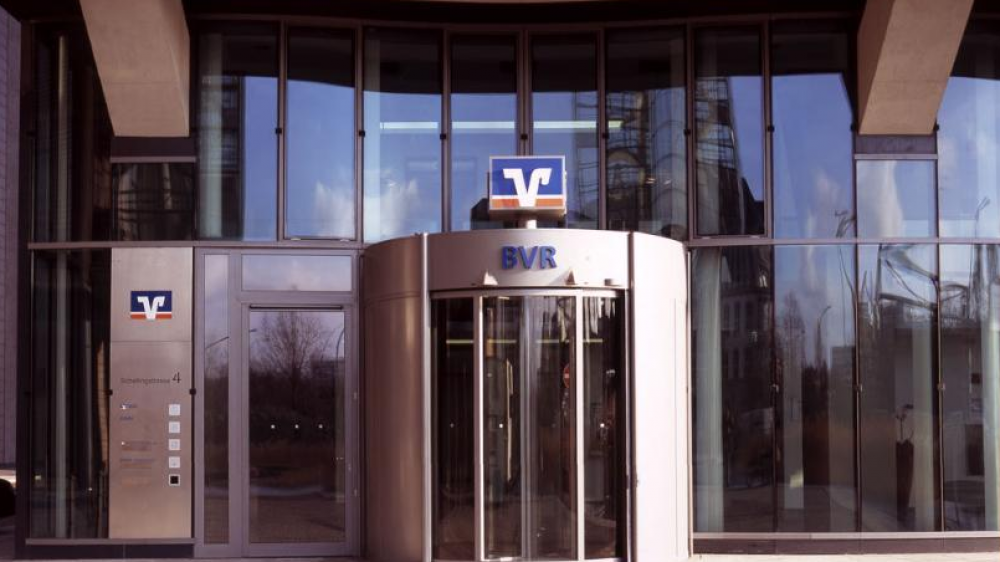
The End of Free Banking in Germany: ATM Fees at Cooperative Banks and What It Means for You
Are you noticing new fees on your bank statements? You're not alone. Following a trend started by German savings banks, approximately 150 of the 1,000 Volksbanken and Raiffeisenbanken (cooperative banks) have begun charging customers for ATM withdrawals. As Bundesbank board member Andreas Dombret stated, "We are at the end of the free culture." This shift has significant implications for your personal financial management—whether you're navigating German banking systems or comparing them to US banking practices where fee structures differ considerably.
The Current Situation: Who's Charging What?
You should know that this isn't an isolated development. According to research by financial portal Biallo, while 40 of Germany's 400 savings banks charge ATM fees, the cooperative banking sector shows even greater adoption. Two-thirds of the surveyed cooperative banks charge fees from the very first withdrawal, unlike most savings banks that still offer one or two free monthly withdrawals.
A concrete example: The "VR Giro-Konto" at Volksbank Lahr allows only two free monthly ATM withdrawals. After that, each additional withdrawal costs €0.40 at ATMs and €0.95 at teller counters, plus a monthly account maintenance fee of €3.50. This represents a fundamental shift in how basic banking services are priced in Germany.
Why Banks Are Implementing These Fees
Understanding the reasons behind these charges can help you make informed decisions about your banking relationships. Banks cite two primary factors:
- The European Central Bank's Low-Interest Policy: Banks must pay penalty interest for parking money with the ECB, squeezing their traditional revenue from interest margins.
- Branch Network Reduction: As more customers use online banking, institutions are incentivizing cashless transactions while reducing costly physical branches.
As Sparkassen chief Georg Fahrenschon noted in May 2016: "The time of free checking accounts is over... we will have to price our services more appropriately given the interest rate landscape."
Comparing German and US Banking Fee Structures
To better understand these German banking changes, let's compare them with typical US banking practices:
| Fee Type | German Cooperative Banks | Typical US Banks | Consumer Considerations |
|---|---|---|---|
| ATM Withdrawal Fees | €0.40-€0.95 per transaction after limited free withdrawals | $2-$5 per out-of-network transaction; often waived with minimum balances | Both systems use fees to steer behavior; understanding your bank's specific policy is crucial |
| Account Maintenance Fees | €3.50 monthly at some institutions | $5-$15 monthly, often waivable with direct deposit or minimum balance | Fee structures increasingly tied to relationship banking rather than standalone services |
| Branch Access | Declining rapidly (34,045 branches in 2015 vs. 67,930 in 1995) | Also declining but with stronger emphasis on digital alternatives | Physical access becoming a premium service in both markets |
The Broader Trend: Branch Closures and Reduced Access
You're witnessing a decades-long trend accelerating. Between 1995 and 2015, the number of bank branches in Germany nearly halved from 67,930 to 34,045. This reduction particularly affects rural areas where private banks have largely withdrawn, leaving cooperative and public banks as the only remaining options—and these institutions are now charging for previously free services.
A telling example: In Zeulenroda-Triebes (population 16,700), Deutsche Bank recently closed its last branch, directing customers to a branch 20 kilometers away in Greiz. This reduced competition in rural areas enables remaining banks to implement fees with less customer resistance.
What This Means for Your Financial Planning
As banking evolves, your financial strategy should adapt accordingly. Consider these approaches:
- Review Your Banking Habits: Track how often you use ATMs versus digital payments. Adjusting your cash usage patterns could significantly reduce fees.
- Explore Alternative Banks: Digital banks (both German and international) often offer more favorable fee structures for customers comfortable with online banking.
- Consider Relationship Banking: Some institutions waive fees for customers who maintain multiple products (checking, savings, investments, insurance).
- Factor Banking Costs into Budgeting: Just as you would with insurance premiums or investment fees, include banking costs in your regular financial planning.
- Stay Informed About Changes
Connecting Banking Changes to Broader Financial Health
These banking fee changes don't exist in isolation. They're part of a broader financial ecosystem that includes your insurance planning, investment strategy, and retirement preparation. Just as you regularly review your insurance coverage to ensure it meets your needs and budget, you should apply the same diligence to your banking relationships.
Professional financial and insurance consultation can help you navigate these interconnected decisions. A holistic approach considers how banking fees, insurance premiums, investment costs, and tax implications work together in your overall financial picture.
Looking Forward: The Future of Personal Banking
As Bundesbank's Dombret suggests, we're witnessing a fundamental shift from "free" banking to fee-based service models. This transition mirrors changes in other financial sectors where transparency about costs has increased. Your role as an informed consumer is to:
- Understand exactly what services you're paying for
- Evaluate whether those services provide commensurate value
- Explore alternatives when existing arrangements no longer serve your needs
- Consider the total cost of your financial relationships, not just individual fees
Whether you're managing finances in Germany, the US, or elsewhere, the principles remain the same: proactive management, regular review, and willingness to adapt to changing financial landscapes will serve your long-term economic health.
Insurance providers and brokers struggle with high backlogs in claims management, increasing claim frequencies, skilled labor shortages, and growing customer expectations. Manual processes are expensive and slow.