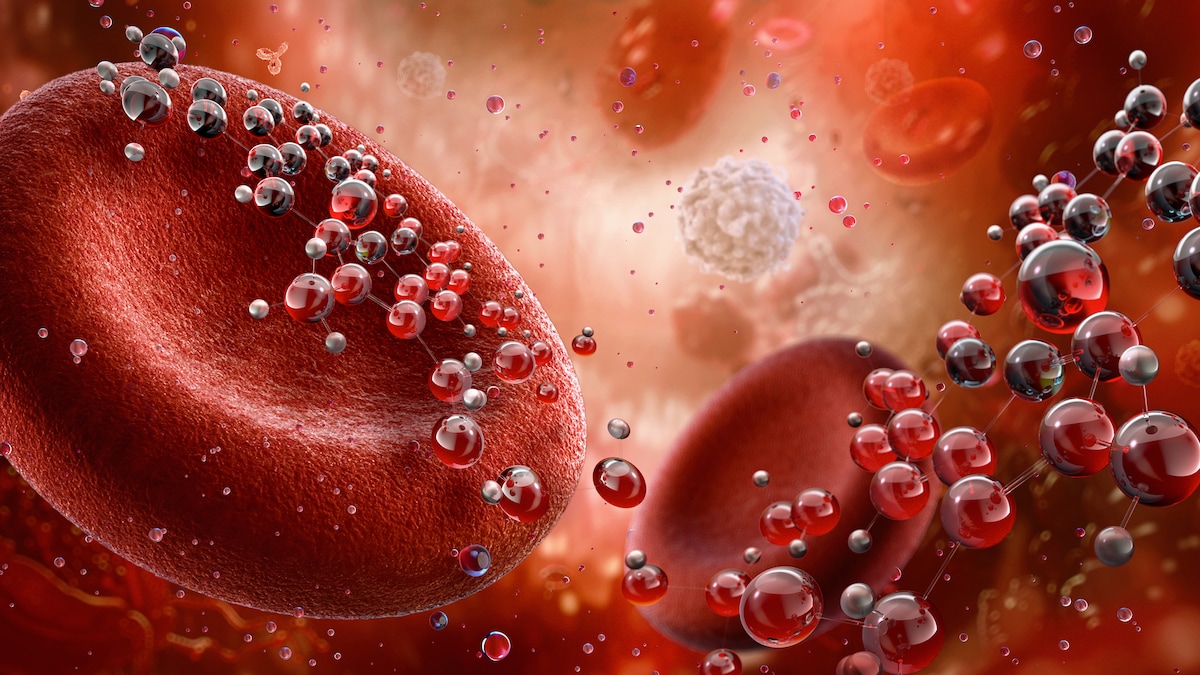
Iron Deficiency: Who's Most at Risk and How You Can Prevent It
Just as you proactively manage your health insurance—whether it's a private plan or a public program like Medicare—managing your nutrient intake is crucial for long-term wellness. Our bodies need sufficient iron to form blood and transport vital oxygen to our organs. While the body can store certain amounts of this essential trace element, an empty storage tank can lead to the symptoms of iron deficiency. So, who is most affected, and how can you prevent it? Here are the key facts.
1. Who is Most Vulnerable to Iron Deficiency?
Certain groups have a significantly higher risk, primarily due to increased physiological demands.
- Women of Childbearing Age: Women who menstruate have a higher iron requirement due to monthly blood loss, making them more susceptible to deficiency.
- Pregnant and Breastfeeding Women: The demand for iron increases substantially during pregnancy and lactation to support fetal growth and milk production.
- Frequent Blood Donors: Each blood donation depletes iron stores. Regular donors must be especially vigilant about their iron intake.
- Individuals with Certain Medical Conditions: Those with conditions that cause chronic blood loss (e.g., ulcers, some gastrointestinal diseases) or affect nutrient absorption are also at higher risk.
2. Fuel Your Body: Top Dietary Sources of Iron
You can effectively boost your iron levels through a strategic diet. Excellent sources include:
- Animal-Based (Heme Iron, better absorbed): Red meat (especially beef and liver), poultry, and fish (like tuna and salmon).
- Plant-Based (Non-Heme Iron): Legumes (lentils, chickpeas, beans), pumpkin seeds, spinach, kale, and fortified cereals and breads.
3. The Absorption Boost: Vitamin C is Your Ally
Consuming iron isn't enough; you need to help your body absorb it. Vitamin C significantly enhances the absorption of non-heme iron from plant sources.
- Smart Pairings: Add a squeeze of lemon juice to your spinach salad, enjoy an orange with your fortified cereal, or include bell peppers in a bean dish.
- Simple Drink Trick: Have a small glass of orange juice or lemon water with your iron-rich meal.
- What to Avoid During Meals: Coffee, black tea, and red wine contain compounds (like tannins) that can inhibit iron absorption. It's best to consume these beverages between meals.
4. Supplements: A Tool, Not a First Resort
While a balanced diet is the best foundation, supplements can be necessary in some cases. However, they are not without risk.
- Consult a Healthcare Professional First: Never self-diagnose and self-prescribe iron supplements. Excessive iron can be harmful and cause side effects like constipation and nausea.
- When They Are Recommended: A doctor may recommend supplements for individuals with diagnosed deficiency, pregnant women, or those with conditions that prevent adequate dietary intake.
5. The Blood Donation Check: A Free Health Screening
Donating blood provides a simple, indirect check on your iron status. Before donation, your hemoglobin level (Hb) is tested. If it's below the required threshold, it may indicate iron deficiency, and you will be temporarily deferred from donating. This moment offers a valuable opportunity to discuss with on-site medical staff how to improve your iron levels—a beneficial side effect of your altruistic act.
Key Takeaway: Just as you review your health insurance coverage annually, consider your nutritional status. By understanding your personal risk factors, incorporating iron-rich foods paired with vitamin C, and seeking professional advice when needed, you can effectively prevent iron deficiency and maintain your energy and vitality.