When Your Investment Fund Takes a Stand: What a German Controversy Teaches US Insurance Investors
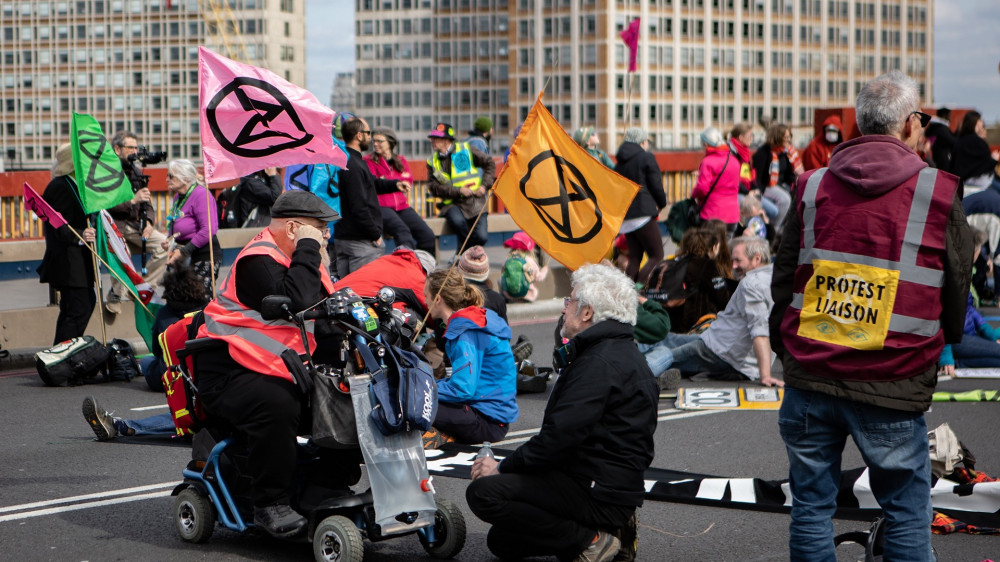
Imagine you discover the founder of an investment fund where you hold assets has pledged to pay the legal fines for a controversial protest group. This isn't a hypothetical scenario; it recently happened in Germany with Ökoworld founder Alfred Platow and the 'Last Generation' climate activists. His announcement triggered a massive investor reaction, forcing a public correction. For you, as someone interested in insurance and investments—whether in private health insurance plans, annuities, or other financial products—this case is a powerful lesson in ethical investing and risk management.
The Backlash: Investor Sentiment in Black and White
Platow's initial promise to cover penalties for acts like gluing protesters to roads split his investor base dramatically. A poll revealed the stark divide:
- 50% of respondents planned to sell their fund shares immediately.
- 14% supported the decision and saw no issue.
- 24% adopted a wait-and-see approach, monitoring the situation.
- 12% were indifferent, showing little concern for the ethical implications.
This reaction underscores a core principle for your portfolio: Environmental, Social, and Governance (ESG) factors directly influence financial stability and investor loyalty. The majority's negative response highlights that for many, a fund's fiduciary duty and reputational risk outweigh specific social or political alignments, no matter how passionately held.
The Correction: Damage Control and Clarified Intent
Faced with intense criticism, Platow clarified his position. He stated he never intended to encourage illegal acts. His revised plan was a personal donation of €20,000 to an environmental trust, explicitly not using company or fund assets. This pivot is crucial for you to understand. It shows that in today's market, transparency and clear corporate governance are non-negotiable for maintaining investor trust.
Key Takeaways for Your Insurance and Investment Strategy
This German case offers vital lessons for managing your financial security and insurance portfolio in the US:
- Scrutinize Fund Governance: Before investing in any fund—be it tied to life insurance, indexed universal life (IUL), or retirement planning—research its governance policies. How does it handle controversial stances? What are its ESG criteria?
- Understand Your Risk Tolerance: Just as you assess risk for health insurance deductibles or Medicare Advantage plans, evaluate the non-financial risks of your investments. Are you comfortable with potential reputational controversies?
- Demand Transparency: Insist on clear communication from fund managers about how client assets are used, mirroring the clarity you expect from your Medicare provider or private insurer.
Analogy for US Readers: Understanding PKV/GKV Through an American Lens
To better grasp the German context, think of it this way: Germany's dual system of Private Health Insurance (PKV) and Statutory Health Insurance (GKV) can be loosely compared to the US system. PKV is similar to comprehensive private medical insurance plans in the US, often chosen for broader provider networks and faster access. GKV functions more like a blend of Medicare (for its broad, mandatory coverage) and Medicaid (in its income-based aspects for some), providing a universal safety net. The Ökoworld controversy is akin to a major US-based insurer or fund manager—one you might rely on for supplemental insurance or investment growth—suddenly taking a highly polarizing political stance. It forces a decision: does this alignment match your personal values and long-term financial goals?
Choosing Ethical Funds: A Practical Comparison
When selecting investment vehicles for your estate planning, college savings, or healthcare costs in retirement, use a disciplined approach. Below is a comparison framework inspired by the Ökoworld incident:
| Evaluation Factor | High-Risk Fund (Like Initial Ökoworld Stance) | Stable, Transparent Fund |
|---|---|---|
| Governance & Stance Clarity | Mixes corporate/personal activism; unclear boundaries. | Clear, published ESG policies; separates personal views from fund management. |
| Investor Communication | Reactive, defensive, leads to confusion and sell-offs. | Proactive, transparent, manages expectations and maintains trust. |
| Reputational Risk | High. Actions can trigger rapid capital flight (50% in this case). | Managed. Focus on consistent performance and fiduciary duty. |
| Suitability for Your Portfolio | Potentially volatile; may conflict with risk management goals for retirement or insurance needs. | Aligns with strategies for wealth preservation, long-term care funding, and stable growth. |
Conclusion: Aligning Values with Financial Security
The Ökoworld story is more than a news headline. It's a case study in modern investment risk. Your financial future, whether funded through insurance products, 401(k) plans, or personal investments, depends on the stability and integrity of the entities you trust. By applying the lessons from this German example—prioritizing transparency, understanding governance, and clearly defining your own ethical boundaries—you can make more informed decisions that secure both your values and your financial well-being. Always conduct thorough due diligence and consult with a qualified financial advisor to ensure your portfolio reflects your goals for health insurance coverage, retirement income, and legacy planning.