How to Win Insurance Clients Without a Marketing Budget: An Unconventional Strategy Guide
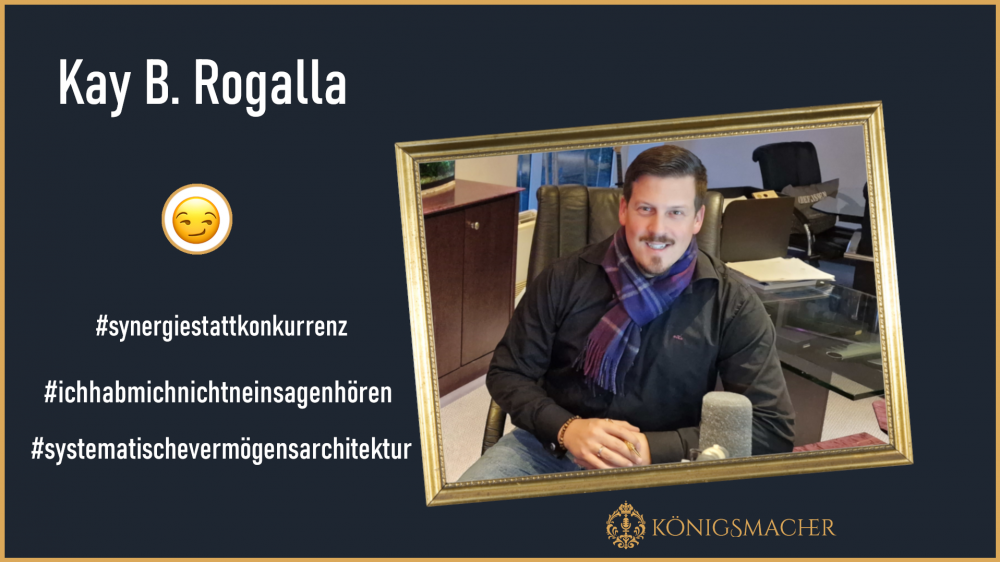
Are you tired of competing for expensive leads or feeling trapped by platform algorithms? What if you could build a steady stream of qualified insurance clients without a traditional marketing budget? Kay B. Rogalla, Managing Director of OPTIMA GmbH—one of Germany's oldest independent financial broker networks—has done exactly that. After acquiring the company in 2017, he transformed it from a legacy operation into a digital-first powerhouse, now acquiring 90% of its customers online through a unique, cost-effective system. This guide breaks down his unconventional sales strategy for insurance agents and financial advisors, revealing how to leverage content, technology, and a hybrid advisory model to achieve sustainable growth.
Transforming a Legacy Business: The OPTIMA GmbH Overhaul
When Rogalla took over OPTIMA GmbH in 2017, he saw potential where others saw obsolescence. He describes the company as a "rough diamond"—solid structures and a strong reputation but in need of polishing. That polishing involved a complete reboot: a new logo, website, software stack, product portfolio, and a fundamentally different digital sales strategy for insurance. This radical transformation, while challenging with long-standing staff, was necessary to shift from a traditional broker network to a modern, digitally-driven advisory firm. The result is a business that thrives independently of paid advertising or lead-buying platforms.
The Core Strategy: Platform-Independent Lead Generation
Rogalla's approach, described as "unconventional and exciting," centers on attracting clients through value, not ads. The system is elegantly simple in concept but powerful in execution:
- Create Topic-Specific Landing Pages: Instead of a single corporate website, OPTIMA builds numerous dedicated landing pages and microsites focused on specific financial and insurance topics (e.g., "Understanding Term Life Insurance," "Pension Planning for Self-Employed").
- Bundle with Proprietary Software: These pages are managed and optimized through a custom-built software platform that tracks engagement and nurtures prospects.
- Attract a Broad Audience: The content is designed to be educational and valuable, attracting individuals from various industries—not just those actively shopping for insurance. This moves beyond narrow target audience marketing.
- Convert Visitors into Advocates: The system includes mechanisms to turn satisfied clients into multipliers, organically expanding reach without referral fees.
The outcome? "They have found ways to win new customers without using a marketing budget or buying leads. And so many that they can't even process them all," as described by industry observer Bastian Kunkel. This method generates a surplus of inbound interest, putting the advisor in control of the pipeline.
The Hybrid Advisory Process: Digital Onboarding Meets Personal Consultation
Acquiring leads is only half the battle; converting them into clients efficiently is key. OPTIMA employs a sophisticated hybrid advisory model:
- Digital First Contact: Every new prospect enters a custom-designed client portal.
- Interactive Education: Within the portal, clients are guided through their topic using a combination of explainer videos, interactive checklists, and chat functions. This educates them upfront, saving advisor time and ensuring the client is better prepared.
- Seamless Transition to Personal Advice: Only after this digital onboarding does the prospect move to a personal consultation with an advisor. This process filters for serious clients and raises the quality of the conversation.
This model respects the client's desire for self-service information while preserving the irreplaceable value of expert human advice for complex decisions like life insurance, health insurance, or retirement planning.
Why Target Audience Marketing is Overrated
A surprising element of Rogalla's philosophy is his skepticism toward hyper-focused target marketing. By creating broadly appealing educational content on fundamental financial topics, he casts a wider net. The belief is that financial concerns are universal, and by providing genuine value, you attract clients from diverse backgrounds who appreciate the expertise, rather than just targeting a demographic segment. This approach builds a more resilient and diverse client base.
Key Takeaways for Insurance Agents and Brokers
| Traditional Challenge | Rogalla's Unconventional Solution |
|---|---|
| High cost of paid leads/ads | Invest in creating evergreen educational content (landing pages, guides) that attracts organic traffic. |
| Dependence on lead platforms | Build your own lead generation ecosystem owned by your business. |
| Inefficient client onboarding | Implement a hybrid model where clients self-educate digitally before the first consultation. |
| Niche marketing limits reach | Focus on universal financial pain points to attract a broader, qualified audience. |
| Client acquisition stagnates | Develop systems to turn satisfied clients into organic advocates and multipliers. |
Beyond OPTIMA: Leadership and Continuous Learning
Rogalla's influence extends beyond his company. As Chairman of the Federal Association for Operational Performance Optimization and the owner of a financial forum with over 100,000 posts, he is deeply embedded in the industry's evolution. His recommended reading list for professionals includes:
- "The E-Myth Revisited" by Michael E. Gerber: Essential for understanding why most small businesses fail and how to build systems that work.
- "Traction: Get a Grip on Your Business" by Gino Wickman: A framework for gaining control and growing your business predictably.
These books reflect his operational philosophy: success in insurance sales and financial advising is not just about product knowledge but about building a scalable, systematic business.
Kay B. Rogalla's story demonstrates that in an industry often perceived as traditional, there is immense room for innovation. By shifting the investment from buying attention to earning it through valuable content, and by redesigning the client journey for the digital age, insurance professionals can build a more sustainable, independent, and profitable practice. The future belongs not to those with the biggest ad spend, but to those with the most valuable insights and the smartest systems to deliver them.
Insurers and brokers struggle in claims management with high backlogs, rising claim frequencies, skilled labor shortages, and growing customer expectations. Manual processes are expensive and slow.