The WIN Initiative: A €12 Billion Boost for German Startups with Insurers Leading the Charge
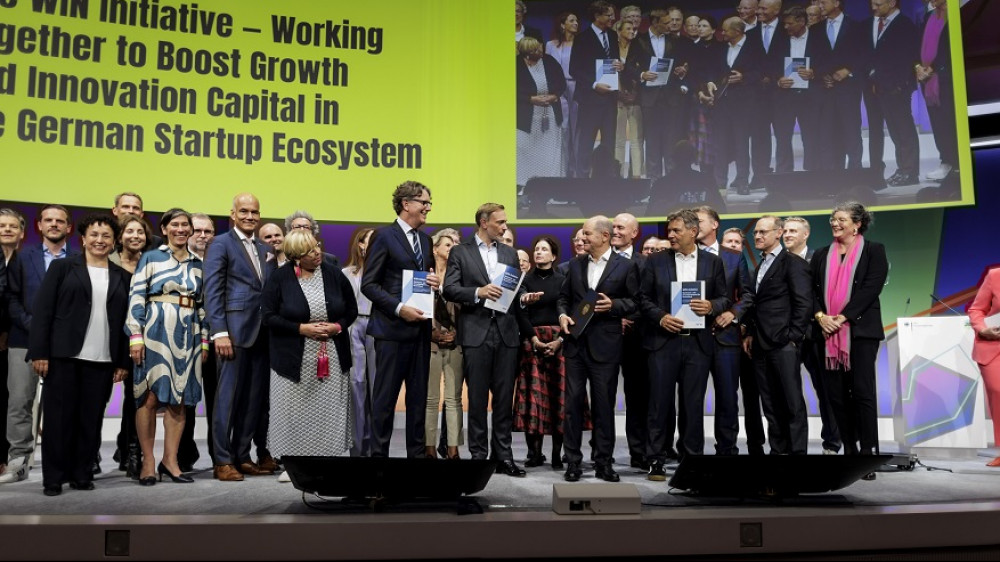
Is Germany falling behind in the global innovation race? To secure its economic future, a powerful coalition from government, industry, and finance has launched a groundbreaking response. At the 2024 Startup Germany Summit, the WIN Initiative (Wachstumsinvestitionen und Innovation – Growth Investments and Innovation) was unveiled, backed by Chancellor Olaf Scholz, Finance Minister Christian Lindner, and Economics Minister Robert Habeck. Its ambitious goal: to inject €12 billion into Germany's venture capital ecosystem by 2030. This massive commitment surpasses all expectations and signals a decisive shift. And at the heart of this transformation? The insurance industry. As major "capital accumulators," insurers and pension funds are being called upon to play a pivotal role in funding the next generation of German startups, particularly in critical fields like Insurtech, AI, and climate technology. This guide explains why this matters for the insurance sector and how it will shape innovation.
Why Insurance Companies Are the Ideal Venture Capital Partners
Insurance companies manage vast, long-term capital reserves, making them natural partners for venture investment. Jörg Asmussen, Chief Executive of the German Insurance Association (GDV), signed the WIN declaration on behalf of the industry, cementing its active participation. This isn't just about philanthropy; it's a strategic imperative. Sebastian Pitzler, Managing Partner of the industry fund Ensure Growth Capital, emphasizes that venture capital is a dual-purpose tool: a potential financial return and a strategic lever to boost a company's own innovation capacity.
- Strategic Innovation: By investing in startups, insurers gain early access to disruptive technologies that can streamline claims management, improve risk assessment with AI, and enhance customer experience.
- Closing the Gap: Pitzler calls the WIN Initiative a necessary "turbo" for the German economy to catch up with leaders like the United States and emulate the success of France's long-standing "Tibi Initiative."
- Regulatory Evolution: A key hurdle is Solvency II regulation, which can discourage long-term, higher-risk investments. The WIN Initiative advocates for adapting these frameworks to incentivize more insurance capital to flow into venture capital, unlocking a major new funding source.
How It Works: The Role of Ensure Growth Capital and KfW
The WIN Initiative is not a centralized government fund. Instead, it's a framework where committed companies fulfill their pledges through approved channels. The state development bank KfW oversees the initiative's implementation with a 10-point action plan.
The insurance industry's dedicated vehicle is the Ensure Growth Capital fund. This fund allows insurers to pool resources and invest collectively in high-potential startups, fulfilling their WIN commitments efficiently. It meets the initiative's criteria, providing insurers with a structured, professional path to venture investment.
Insurance Leaders Step Forward: The Allianz Example
Major insurers are already demonstrating leadership. Allianz, a cornerstone investor in the WIN program, has publicly reinforced its commitment. CEO Oliver Bäte stated on LinkedIn: "Allianz's participation in the WIN program... is an investment in the potential of the German startup economy and a sign of confidence in the potential of the German population to shape a successful future." This sentiment is echoed by a broad consortium of insurers participating, including AXA, Generali, Munich Re, HUK-COBURG, and many others listed as signatories.
The Bigger Picture: Fueling Insurtech and Beyond
This influx of capital is perfectly timed. As the insurance industry grapples with high claims backlogs, rising loss frequencies, and manual processes, startup innovation offers solutions. From AI-driven underwriting to automated claims processing, Insurtech startups are creating the tools insurers urgently need.
Sebastian Pitzler highlights that we are in the midst of the "AI epoch," making it the ideal moment to set the course for the future with German and European startups. Providing more growth capital is seen as essential for securing Germany's economic future and its competitive edge in financial technology.
List of Key Signatories to the WIN Initiative
The broad support base underscores the initiative's national importance. Key signatories from the insurance and broader financial world include:
- Insurance & Reinsurance: Allianz, AXA Deutschland, Barmenia.Gothaer, Generali Deutschland, HUK-COBURG, Münchener Rück, Debeka, Versicherungskammer Bayern, VGH, Provinzial, Stuttgarter Versicherungs Gruppe.
- Financial Institutions & Associations: KfW, Deutsche Bank, Commerzbank, DZ BANK, GDV, Bundesverband deutscher Banken, Deutscher Sparkassen- und Giroverband.
- Industry & Corporates: Bundesverband der Deutschen Industrie (BDI), Deutsche Telekom / T.Capital, Bertelsmann, Henkel.
- Government: Bundeskanzleramt, Bundesministerium der Finanzen, Bundesministerium für Wirtschaft und Klimaschutz.
Conclusion: A Transformative Partnership
The WIN Initiative represents a historic partnership. For insurance companies, it's a chance to drive strategic innovation, achieve potential financial returns, and solidify their role as pillars of the future economy. For German startups, especially in the Insurtech space, it promises unprecedented access to capital and industry expertise. By working together, they can tackle the industry's pressing challenges—turning manual, expensive processes into efficient, customer-centric solutions. The €12 billion pledge is more than funding; it's a vote of confidence in a collaborative, innovative future for German industry.