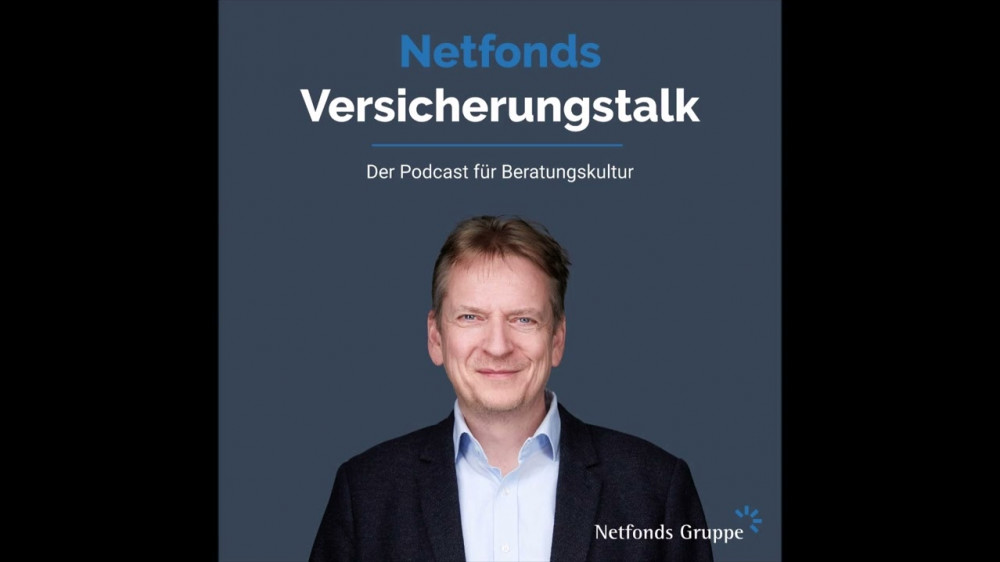
Are you confident that your state pension will be enough for a comfortable retirement? In Germany, this question is at the heart of a heated political debate. The statutory pension system, financed by employment income and tax subsidies, is under strain from demographic shifts and changing work realities. In a milestone 100th episode of the Netfonds Podcast, host Oliver Bruns discussed the future of retirement security with two key voices: Kai Whittaker, the CDU/CSU parliamentary group's spokesperson for pension and social policy, and Imke Petersen from the German Pension Insurance (Deutsche Rentenversicherung).
Whittaker proposes a fundamental shift. He argues that contributions should be levied on all ongoing income streams, not just traditional employment wages. This broader base, he suggests, could allow the total contribution rate to drop significantly from the current level of around 40% to approximately 25-26%. But his vision goes beyond reforming the pay-as-you-go system.
The core of his argument is the urgent need for a universal, capital-backed retirement plan (kapitalgedeckte Altersvorsorge) for all citizens. "If you want participation in wealth development, you cannot avoid the capital market," Whittaker states. In Germany, wealth is predominantly tied to businesses, and citizens can share in this economic growth through instruments like stocks. This concept may sound familiar, echoing discussions around an "Aktienrente" (stock-based pension). However, Whittaker distances himself from current government proposals, criticizing that the planned public fund would lack constitutional property protection, making its returns vulnerable to future government access.
Advertisement
In the podcast's second part, Imke Petersen provides insights from the administrative side. As head of the Central Allowances Office and responsible for the 'Digital Pension Overview' project, she sheds light on a crucial tool for future retirees. This government initiative aims to provide citizens with a consolidated digital statement of all their pension entitlements—statutory, occupational, and private. Petersen discusses the project's current status and the anticipated timeline for when Germans will first be able to access this holistic view of their retirement savings, a significant step towards better retirement planning and transparency.
Why This Debate Matters for Your Financial Future:
- The Three-Pillar Model is Evolving: The traditional model (state, occupational, private) is being scrutinized. A potential mandatory capital-funded pillar could reshape the landscape for private pension insurance (Private Rentenversicherung) and investment products.
- Digitalization is Key: Projects like the Digital Pension Overview highlight the move towards integrated financial data, empowering individuals to make informed decisions and potentially creating new opportunities for financial advisors and insurance brokers.
- Asset Participation is Central: The political push for capital market participation reflects a growing consensus that beating inflation and building real retirement wealth requires exposure to growth assets, moving beyond pure savings products.
This debate occurs against a backdrop of industry-wide challenges. Insurance companies and brokers in the pension and wealth management sector already contend with complex processes, high customer expectations, and the need for efficient advisory services. A large-scale introduction of a new capital-backed pillar would represent both a monumental challenge and a significant opportunity for the financial services industry to guide millions through a new retirement savings landscape.
To hear Kai Whittaker's complete proposal for a future contribution system and Imke Petersen's update on the digital pension project, you can listen to the full 100th episode of the Netfonds Podcast on Apple Podcasts, YouTube, or Spotify.