Why a Broker Pool Needs an In-House Underwriter: The Value Beyond Pricing
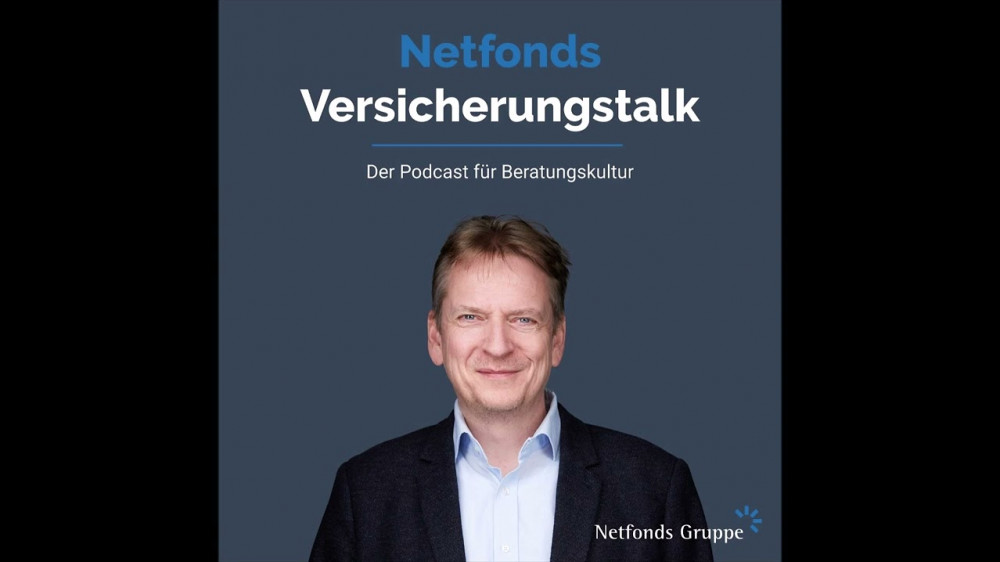
You've likely used an online insurance calculator. They're great for getting a quick quote for standard products like car insurance or even some private health insurance (PKV) plans. But what happens when you face a complex commercial risk—like a company needing Cyber liability, Directors and Officers (D&O) coverage, or bespoke IT insurance? This is where the digital quote engine stops and true expertise begins. In a revealing Netfonds podcast, Oliver Bruns and Michael Gaubatz tackle a fascinating question: Why would a large broker pool employ its own dedicated underwriter when that underwriter has no official binding authority from an insurance company? The answer lies in the critical gap between automated pricing and nuanced risk assessment.
The Underwriter's Journey: Building Expertise from the Ground Up
Michael Gaubatz's story is one of dedication. To become a proficient underwriter in complex lines like Cyber, D&O, IT, and reinsurance, he immersed himself in these specialized fields. As he puts it, he spent "Saturday after Saturday, while others were watching football," deep-diving into the intricacies of risk. This raises the core question: Why would someone at a broker pool, not an insurer, go to such lengths to master underwriting?
The Core Function: Translation, Advocacy, and Risk Sculpting
So, what does a risk assessor do if he can't officially bind coverage? Gaubatz's role is multifaceted and adds immense value to the broker pool's network:
- Risk Translator and Educator: He acts as a bridge between the broker (and their client) and the insurance carrier's underwriters. He can pre-qualify a risk, structure the submission in the language insurers understand, and highlight key risk-mitigating factors that a standard application might miss.
- Client Advocate and Strategist: With deep underwriting knowledge, he can anticipate an insurer's concerns and advise the client on specific risk management improvements before the submission, strengthening their case and potentially securing better terms.
- Complex Case Specialist: For non-standard, large, or intricate risks, an online tool is useless. Gaubatz's expertise allows Netfonds-affiliated brokers to confidently handle these cases, knowing they have an in-house expert to navigate the complexities of policy wording, coverage extensions, and market capacity.
- Efficiency Driver: By ensuring submissions are complete, well-presented, and targeted to the right carriers from the start, he reduces back-and-forth, speeds up the quoting process, and increases the likelihood of a favorable outcome.
The Strategic Advantage for Brokers and Clients
For an independent broker, having access to such expertise within their pool is a significant competitive advantage. It elevates their service from simple policy placement to true risk consultancy. For you as a business client, it means your broker isn't just shopping your policy; they are strategically advocating for you with a deep understanding of both your risk and the insurer's mindset. This is especially crucial in the US for complex products like commercial umbrella policies or in Germany for navigating the GKV vs. PKV landscape for high-earning professionals.
Listen to the Full Netfonds Podcast Episode
To hear Oliver Bruns and Michael Gaubatz delve deeper into the day-to-day impact of this role and specific case studies, listen to the full conversation on the Netfonds podcast.
On YouTube: [Link to YouTube episode]
Conclusion: Expertise as the Ultimate Differentiator
The story of Netfonds' in-house underwriter underscores a vital truth in the modern insurance landscape: as digital tools automate the simple transactions, the value of deep, human expertise skyrockets for complex risks. Employing an underwriter without binding authority isn't a contradiction; it's a strategic investment in knowledge. It ensures that where the tariff calculator ends—at the frontier of unique, complicated, or large-scale risks—the broker has the specialized skill to begin crafting a solution. This move protects clients, empowers brokers, and ultimately delivers better insurance outcomes.
Insurers and brokers continue to face significant challenges in claims management, including processing backlogs, rising claim frequencies, a shortage of skilled professionals, and growing customer expectations. Reliance on manual processes remains a costly and inefficient bottleneck.