Homeowners Insurance Alert: Why Vague Safety Clauses Can Cost You Everything
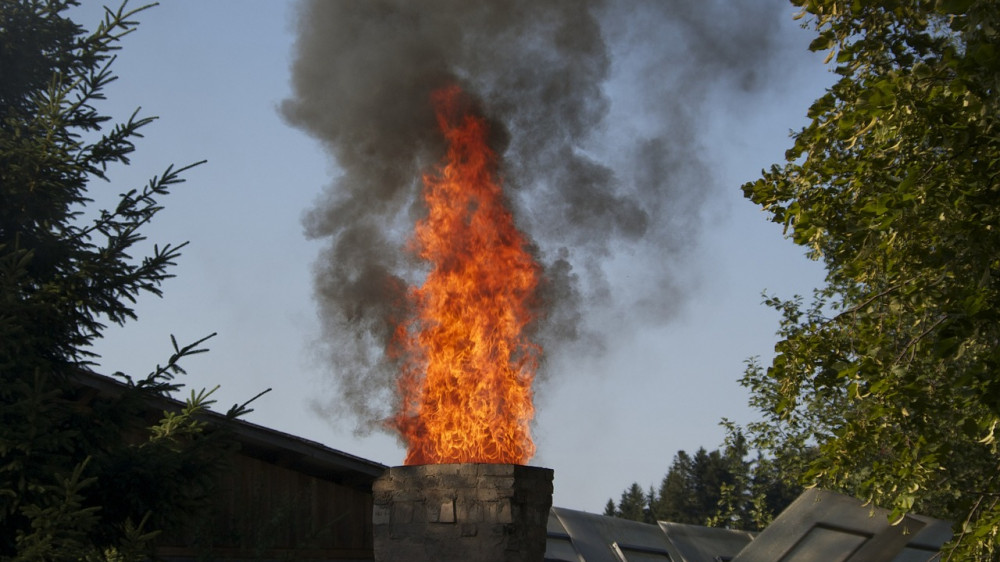
Imagine planning a cozy evening with a homemade pizza oven in your backyard, only for it to end in a financial nightmare. This was the reality for one German homeowner. An improperly built, unpermitted pizza oven caused a fire that severely damaged the roof and facade of his house. While his homeowners insurance (Wohngebäudeversicherung) initially paid €100,000, it refused full coverage for the damage. The insurer cited a violation of the policy's safety obligations (Sicherheitsobliegenheiten), a clause the homeowner argued was too vague. This case, which went all the way to the German Federal Court of Justice (Bundesgerichtshof), delivers a crucial warning for all property owners about the strict interpretation of insurance contracts.
The Legal Battle: From Backyard Oven to Federal Court
The homeowner believed he was entitled to full compensation. He argued the safety clause in his policy's General Insurance Conditions was too broad and imprecise. It didn't explicitly state that a pizza oven required an official permit (behördliche Abnahme), so he felt his obligations were unclear. After the insurer's denial, he sued.
The legal journey was a rollercoaster:
- Stade Regional Court: Ruled for the insurer, stating the clauses were clear and the homeowner acted negligently by skipping the permit.
- Celle Higher Regional Court: Overturned the first ruling, siding with the homeowner. It deemed the clause referencing "all official and contractual regulations" as too vague to be binding.
- German Federal Court of Justice (BGH): The final authority. In a landmark decision (Case IV ZR 350/22), the BGH reversed the higher court's ruling, delivering a stern message to policyholders.
The Federal Court's Decisive Ruling: Clarity on Obligations
The BGH's judgment established several critical principles for homeowners insurance and property insurance policies:
"The policyholder is obligated to take all necessary safety precautions to maintain insurance coverage," the court stated. It clarified that clauses can be broadly worded as long as their purpose—risk minimization—is clear. The burden is on you, the policyholder, to know and comply with all relevant legal, official, and contractual regulations.
The court emphasized the concept of "reasonably knowable" duties. You are responsible not only for regulations you actually know but also for those you should know. This includes local building codes and fire safety regulations related to permanent installations like ovens, fireplaces, or pools.
The core legal consequence was stark: "If the policyholder culpably violates a contractual duty serving to prevent damage, this leads to the insurer's freedom from the obligation to pay." In this case, operating the oven without a permit was a gross breach of duty, voiding the coverage.
Key Takeaways for Homeowners: Protecting Your Coverage
This ruling has far-reaching implications for how you manage your property and insurance. Here’s what you must do to avoid a similar fate:
| Your Responsibility | Action Required | Why It Matters |
|---|---|---|
| Understand Your Policy's Safety Clauses | Carefully read your policy's General Conditions. Don't assume vague wording lets you off the hook. Broad clauses about complying with "laws and regulations" are enforceable. | Ignorance of a clause is not a defense. Courts expect you to understand your duty to prevent losses. |
| Research and Obtain Permits | Before any significant home project (structural changes, installing heating appliances, pools, decks), check with your local building authority (Bauamt) for permit requirements. | Operating without a required permit is a classic violation of safety obligations that can invalidate claims. |
| Maintain a Standard of Care | Adhere to common sense safety practices and manufacturer instructions for appliances and home systems. | Even without a specific clause, negligence can be grounds for claim denial. |
| Document Compliance | Keep all permits, inspection certificates, and receipts for professional installations in a safe place. | This is your proof of fulfilling safety obligations if a claim arises. |
| Communicate with Your Insurer | When in doubt about a project's impact on your coverage, contact your insurance agent or provider before starting work. | Proactive communication can clarify requirements and prevent coverage gaps. |
Comparison to U.S. Homeowners Insurance Practices
For American readers, the principles in this German case have direct parallels in the U.S. insurance market:
- Duty to Mitigate Damage: U.S. homeowners insurance policies universally include a policyholder's duty to take reasonable steps to prevent further loss after an incident. Failure to do so can reduce a claim.
- Permit Requirements and Code Upgrades: Similar to Germany, building without permits is a major red flag. Many U.S. policies may not cover damage stemming from unpermitted work or may exclude costs to bring damaged portions up to current building code if the original structure was not compliant.
- Vague vs. Specific Language: U.S. courts also interpret insurance contracts, often resolving ambiguities in favor of the policyholder (contra proferentem). However, clear obligations to obey laws are typically upheld. The German BGH ruling aligns with the U.S. expectation that homeowners exercise reasonable care.
Conclusion: Proactivity is Your Best Insurance
The story of the pizza oven is a powerful cautionary tale. It underscores that home insurance is not an unconditional safety net. It's a contract based on shared responsibility. Your premium buys coverage, but you must uphold your end by maintaining the property responsibly and legally.
Don't let broad wording lull you into a false sense of security. Assume that any clause about safety, laws, or regulations places an active duty on you to investigate and comply. When planning home improvements, always start with a call to your local building department and a review of your policy. In the complex world of property risk management, an ounce of prevention—and a properly permitted pizza oven—is worth far more than a denied insurance claim.