Home Insurance Crisis in Germany: Rising Costs, Climate Risks & The Need for Reform
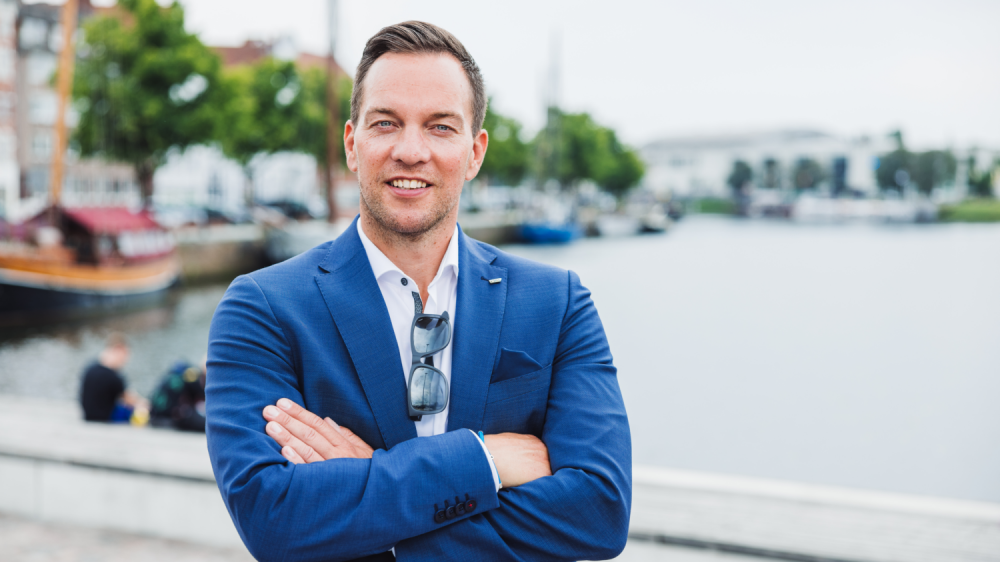
If you own a home in Germany, you've likely felt the pinch: premiums for home insurance (Wohngebäudeversicherung) are climbing sharply. Driven by rampant inflation, soaring construction costs, and an increasing frequency of extreme weather events, insurers are responding with significant price adjustments. But according to industry expert Nico Streker, Managing Director of Asspick Versicherungsmakler GmbH, merely raising premiums is a short-sighted strategy that fails to address the sector's deeper, systemic problems.
In this comprehensive analysis, we explore the current state of the German home insurance market, the looming threat of uninsurable climate risks, and the innovative, sustainable solutions that could stabilize costs and protect homeowners in the long term.
The State of the Market: A Sector in the Red
The German home insurance sector continues to be a major concern for the industry. Despite record premium income of around €10 billion in 2022, the combined ratio—a key profitability metric where anything over 100% indicates an underwriting loss—stood at 106%. This persistent unprofitability has forced insurers to implement premium increases typically ranging from 15% to 30% at the start of the year.
These adjustments are a direct response to a sharply rising claims burden. Older, loss-prone policies are being rigorously adjusted or canceled after a claim. Furthermore, insurers have completely recalibrated their pricing for new business, often migrating existing customers to these new, more expensive tariff structures.
The primary driver remains the German construction cost index (Baupreisindex). While the increase for 2024 is a slightly more moderate 7.5% (compared to 14.7% in 2023), it continues to push premiums upward annually. With no clear end in sight for cost pressures, further premium hikes are anticipated as insurers struggle to bring their loss ratios under control.
The Climate Change Elephant in the Room: Uninsurable Risks?
The German Insurance Association (GDV) has issued stark warnings: due to climate change, certain natural hazard risks may become uninsurable in specific regions, and premiums for natural hazard coverage (Elementarschadenversicherung) could double. This is not an unrealistic scenario. The GDV's natural hazards report reveals that over the past 50 years, the industry has paid out more than €200 billion for weather-related damage.
The fundamental principle of insurance—risk pooling within a solidary community—is threatened by the increasing frequency and severity of localized flood and heavy rainfall events. When too many policies in one high-risk area are likely to claim simultaneously, the model breaks down.
What Can Be Done? A Multi-Pronged Approach
| Strategy | Description & Benefit |
|---|---|
| Enhanced Risk Prevention | Homeowners must take proactive measures: installing backflow valves, creating permeable surfaces, and building "water-resilient" homes to prevent or minimize flood damage. |
| Climate-Adapted Building Codes | Advocating for stricter regulations, including construction bans in designated flood zones and reducing soil sealing in urban areas to improve natural drainage. |
| Industry Investment in Prevention | Insurers should actively invest in and promote smart leak detection systems and other IoT-based prevention technologies, moving from a reactive to a proactive model. |
| Public Awareness Campaigns | Initiatives like the "wasserstarkSH" campaign in Schleswig-Holstein are crucial to educate property owners about their specific risks and available protective measures. |
Beyond Price Hikes: The Missed Opportunities for Sustainable Reform
Nico Streker expresses astonishment at the industry's lack of strategic foresight. While premiums have risen for two decades, profitability has not improved. The sector has underinvested in long-term solutions like advanced claims prevention and active claims management.
A significant opportunity lies in the intersection of home insurance and the coming wave of energy-efficient renovations (energetische Sanierung). With an estimated 17 million buildings in Germany affected by EU renovation directives, this is a pivotal moment. Studies show that buildings with better energy efficiency ratings tend to have lower claims frequency. It is in insurers' direct interest to focus on and incentivize the modernization of these properties.
Furthermore, the concept of sustainable claims settlement is gaining importance. After a fire or flood, homeowners increasingly expect—and will soon be required—to rebuild using sustainable materials and improved insulation. Will standard policies cover the extra cost of triple-glazed windows or premium eco-friendly insulation? This is a growing customer expectation and a new challenge for claims adjusters.
New Risks in the Modern Home: Smart Homes & Heat Pumps
The modern home introduces new insurance considerations:
- Smart Home Cyber Risks: Permanently internet-connected devices can be hacking targets. While mobile devices fall under contents insurance, fixed smart home installations (like wired security systems) are part of the building insurance. Policyholders should review their sums insured after installing smart technology.
- Heat Pump Coverage: As a key technology for decarbonization, heat pumps—often installed outdoors—require careful attention. Standard building insurance covers them against named perils like storm or vandalism, but simple theft is typically excluded. This gap can usually be closed with an optional add-on (Zusatzbaustein). Crucially, homeowners must inform their insurer after installing a heat pump or solar panels to avoid dangerous underinsurance.
The Advisor's Role: A Guide Through the Green Transition
The debate around Germany's Heating Act (Heizungsgesetz) and EU building directives creates a substantial new advisory need for insurance brokers and financial advisors. A building's Energy Performance Certificate (Energieausweis) now directly impacts its valuation, financing terms, and eligibility for subsidies.
Brokers should proactively engage with clients planning renovations. By assisting with energy assessments, renovation roadmaps (Sanierungsfahrplan), and ensuring adequate insurance coverage for new technologies, they provide indispensable value. This proactive approach also protects their client relationship from being poached by banks or other advisors involved in financing the green upgrades.
Conclusion: A Call for a Forward-Looking Insurance Model
The current crisis in German home insurance cannot be solved by price increases alone. It demands a paradigm shift. Insurers must move beyond mere risk transfer and become active partners in risk prevention and climate adaptation. By investing in technology, incentivizing sustainable building practices, and embracing the green renovation wave, the industry can work towards stabilizing premiums in the long term.
For you as a homeowner, this underscores the importance of working with a knowledgeable broker who understands these complex interconnections. They can guide you not only to the right coverage but also through the necessary steps to future-proof your property, manage risks, and potentially mitigate ever-rising insurance costs.
Disclaimer: This article provides a market analysis based on an expert interview and is for informational purposes only. It does not constitute specific insurance advice. For guidance on your individual home insurance needs, please consult a qualified insurance broker or advisor.