The 2030 Insurance Advisor: From Commodity Seller to Valued Consultant
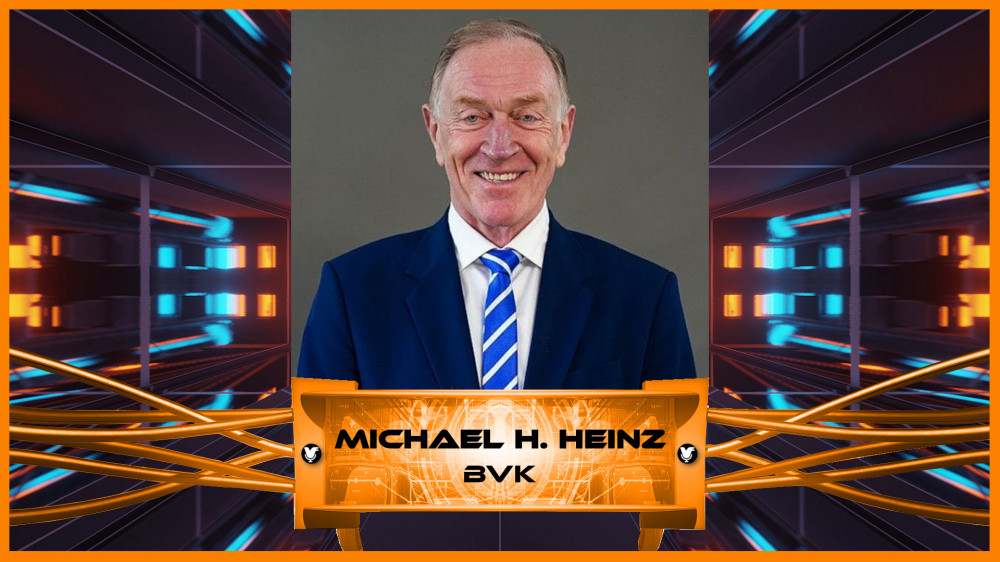
What is the future of the insurance advisor? According to Michael H. Heinz, President of the German Federation of Insurance Professionals (BVK), the landscape by 2030 will be defined by a profound shift in value perception. In an exclusive interview exploring the future of the industry, Heinz presents a compelling vision: there will be fewer insurance agents and financial advisors, but those who remain will enjoy significantly higher standing. Clients will finally recognize and pay for expert advice, understanding that top-tier advisors "will not serve them at any price." This forecast carries critical implications for every insurance broker, independent agent, and financial planner navigating the coming decade.
The Great Consolidation: Fewer Advisors, Higher Value
Heinz points to clear demographic trends: the number of licensed insurance professionals is steadily declining. However, he reframes this not as a crisis, but as an evolution. This consolidation will lead to a more professionalized field where advisors are seen as essential consultants, not interchangeable salespeople. The dynamic mirrors a broader trend in financial services, where clients increasingly seek fiduciary-level guidance for complex needs like retirement planning, estate planning, and business risk management.
Two key client realizations will drive this change:
- Willingness to Pay for Advice: Clients will learn to value and directly pay for the service of a skilled advisor, moving beyond a model solely reliant on embedded commissions.
- Advisor Selectivity: Top advisors will become more selective with their clientele, focusing on relationships where their expertise is truly valued and appropriately compensated. This elevates the entire profession.
AI: A Double-Edged Sword Promising Efficiency but Threatening Bureaucracy
While many hail Artificial Intelligence (AI) as the ultimate simplifier for advisors, Heinz offers a cautionary historical perspective. He draws a parallel to the introduction of computers into the industry, which promised efficiency but ultimately led to increased regulation and bureaucratic overhead.
He warns that AI could follow the same path. The technology may automate underwriting or client onboarding, but regulators may respond with new, complex compliance requirements for AI-driven processes. The net result might not be simpler days for advisors, but a new layer of administrative complexity to manage. The lesson for insurance agencies is to adopt AI tools strategically, with an eye on potential regulatory ripple effects.
The Real Threat Isn't Amazon—It's Over-Regulation
In a surprising take, Heinz argues that the greatest danger to the traditional insurance distribution model is not disruption from tech giants like Amazon or Google, but suffocation by over-regulation and red tape. While InsurTechs innovate, an ever-thickening blanket of compliance rules can stifle agility and increase costs for all players, potentially protecting entrenched interests more than consumers.
He is skeptical that the core of insurance distribution will change dramatically, believing the human element of trust and complex advice will remain paramount. He even offers a colorful analogy, comparing some fleeting InsurTech trends to coffee shops—popular for a time, but not replacing the fundamental infrastructure of the city.
Strategic Implications for Insurance Professionals
Heinz's 2030 forecast is a call to action. To thrive in this future, advisors must proactively elevate their practice. Here’s a comparison of the shifting paradigm:
| The Advisor of the Past/Present | The Advisor of 2030 (Heinz's Forecast) |
|---|---|
| Transaction-focused, volume-driven. | Relationship-focused, value-driven. Acts as a true consultant. |
| Serves any client for any commission. | Selectively serves clients who value advice and are willing to pay for it. |
| Viewed as a salesperson or policy peddler. | Holds high standing as a trusted risk and financial strategist. |
| Threatened by direct-to-consumer models and tech disruption. | Differentiated by expertise that algorithms and direct channels cannot replicate for complex needs (e.g., business succession planning, high-net-worth asset protection). |
| Bogged down by manual processes and existing bureaucracy. | Navigates a potential new layer of AI-related regulation while leveraging technology for core tasks. |
Your Path to Becoming a 2030 Advisor
To position yourself for this future of higher value and selectivity:
- Deepen Your Expertise: Specialize in a complex niche (e.g., long-term care planning, executive benefits, cyber liability for SMEs). Become the undisputed expert.
- Articulate Your Value Proposition: Clearly communicate the tangible outcomes and peace of mind you provide, justifying your fee or commission structure.
- Embrace a Consulting Mindset: Conduct formal reviews, provide strategic documentation, and act as a quarterback for your clients' financial and risk landscape.
- Streamline Operations: Use technology to handle administrative tasks efficiently, freeing you to focus on high-value advisory work—while staying vigilant about new compliance demands.
- Curate Your Client Base: Don't be afraid to transition away from clients who don't value your service. Make room for those who do.
Michael H. Heinz's vision suggests that the golden age of the insurance professional is not behind us, but ahead. By embracing specialization, demonstrating clear value, and navigating the regulatory landscape wisely, you can ensure you are among the respected advisors defining the industry in 2030 and beyond.
For the full discussion, including his predictions on the fate of the fax machine in 2030, listen to the complete exclusive interview.
The insurance industry continues to grapple with persistent challenges in claims management: high backlogs, increasing claim frequencies, a shortage of skilled professionals, and rising customer expectations. Heavy reliance on manual, paper-based processes remains a significant cost and efficiency drag.