3 Fruits to Avoid in Your Morning Muesli for Better Blood Sugar & Health
You love starting your day with a colorful, crunchy bowl of muesli. It's quick, versatile, and feels like a healthy choice. You mix in your favorite fruits for natural sweetness and a vitamin boost. But what if some of those fruits are secretly undermining your health goals, causing blood sugar spikes that leave you tired by mid-morning? Just as you'd carefully review the details of a health insurance plan—whether comparing German private insurance (PKV) to public insurance (GKV), or in the US, evaluating private medical insurance versus Medicare coverage—it's crucial to scrutinize your breakfast ingredients. Let's explore which fruits are best left out of your muesli and what to use instead for sustained energy and optimal nutritional health.
The Foundation of a Truly Healthy Muesli
Before we talk about what to avoid, let's build your perfect base. A healthy muesli breakfast should be anchored in whole grains. Experts, including those from DAK Gesundheit, recommend that at least half of your bowl consist of whole grain cereals like oats, buckwheat, or spelt flakes. Oatmeal or rolled oats are particularly excellent—they're rich in protein and fiber, which help you feel full longer and prevent rapid blood sugar rises.
Next, add a small handful (about 3-4 tablespoons) of seeds or nuts for healthy fats and crunch. Flaxseeds, chia seeds, walnuts, or almonds provide essential omega-3 fatty acids and nutrients. Remember, nuts are calorie-dense, so moderation is key to keep your healthy breakfast from becoming a calorie overload.
The 3 Fruits to Think Twice About Adding to Your Muesli
Now, for the main event: the fruit. While fruit adds vitamins, fiber, and sweetness, its fructose (fruit sugar) content can vary dramatically. According to nutrition expert Dr. Matthias Riedl, some popular choices can cause significant blood sugar spikes, which may lead to energy crashes and increased hunger. Here are the three types to be cautious with:
- Grapes: These are little sugar bombs. Dr. Riedl points out that a bowl of grapes contains a much higher concentration of fructose compared to berries. Their high glycemic index can cause a quick surge in blood sugar.
- Mango: Deliciously sweet, mango is another high-fructose fruit. While it offers vitamins, its sugar content can disrupt your morning metabolic balance if consumed in typical muesli portions.
- Pineapple: Similar to mango, pineapple is very sweet and can lead to a rapid increase in blood glucose levels when eaten on an empty stomach in a muesli mix.
Think of adding these high-sugar fruits like opting for a health insurance plan with a very high deductible and poor coverage for routine care—it might seem fine initially, but it doesn't support stable, long-term wellness.
Why These Fruits Can Be Problematic for Breakfast
When you consume high-fructose fruits first thing in the morning, especially combined with other carbohydrates in muesli, your body can experience a rapid spike in blood sugar. This triggers a corresponding insulin response, which can lead to a crash later, leaving you feeling hungry, tired, and craving more sugar. For long-term health, managing this cycle is as important as managing your healthcare costs with the right insurance.
Smart & Delicious Fruit Swaps for Your Muesli
You don't have to give up fruit! The key is choosing options lower in sugar and higher in fiber. These will sweeten your breakfast without the dramatic metabolic rollercoaster. Excellent choices include:
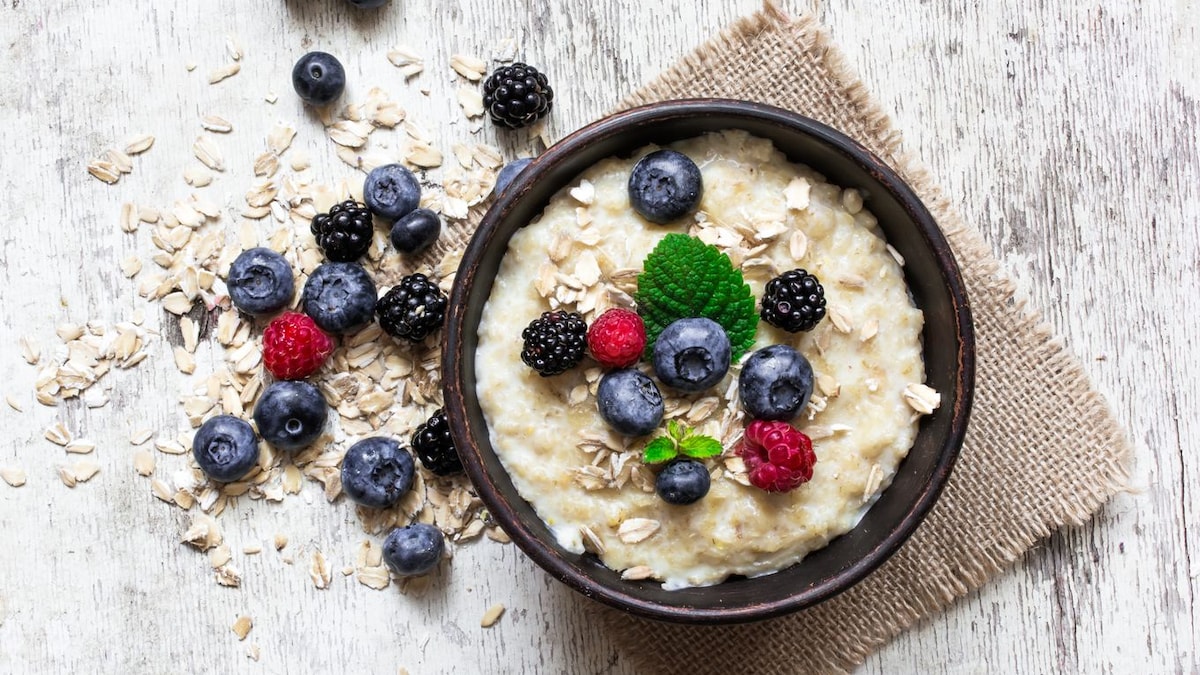
- Berries: Blueberries, strawberries, raspberries, and blackberries are low in sugar and high in antioxidants and fiber. A handful is a perfect portion.
- Papaya: Dr. Riedl recommends papaya as a lower-sugar tropical alternative.
- Apple (in moderation): A few slices of apple can be acceptable, provided you don't consume large amounts of apple later in the day. Always pair it with your protein and fat sources from nuts and seeds.
Building Your Breakfast: The Nutrition & Insurance Analogy
Creating a balanced breakfast is similar to structuring a solid health insurance plan. Your whole grains and seeds are like comprehensive base coverage—they provide essential, steadying benefits. The nuts and healthy fats act like supplemental insurance, adding crucial protection (healthy fats, protein). The fruit is like your co-pay or chosen add-ons; selecting low-sugar options (like berries) is akin to choosing a plan with predictable, manageable costs rather than one that leads to unexpected spikes (like high-sugar fruits cause in blood sugar).
| Component | Fruits to Limit (High Sugar) | Better Fruit Choices (Lower Sugar) | Why the Swap Matters |
|---|---|---|---|
| Primary Concern | High fructose content leads to blood sugar spikes & crashes. | Lower sugar, higher fiber supports stable energy. | Prevents mid-morning fatigue and sugar cravings. |
| Examples | Grapes, Mango, Pineapple | Blueberries, Strawberries, Papaya, Raspberries | Better long-term metabolic health and weight management. |
| Glycemic Impact | High glycemic load. | Low to moderate glycemic load. | Keeps insulin response steady, protecting your health. |
| Overall Benefit | Quick energy followed by a slump. | Sustained energy and satiety. | Invests in your daily performance, much like good insurance invests in your future health security. |
Your Action Plan for a Healthier Morning
Tomorrow morning, take a moment to assess your muesli. Ensure your base is strong with whole grains and a sprinkle of seeds or nuts. Then, be selective with your fruit topping. Opt for a generous portion of mixed berries instead of diced mango or a handful of grapes. By making this simple swap, you're choosing a breakfast that supports stable blood sugar, long-lasting energy, and overall well-being. It's a small, powerful step in your daily health and wellness routine—a proactive measure as valuable as securing the right health insurance coverage for your life.