Food Safety Alert: 5 Leftovers You Should Never Reheat (And How to Handle Them Safely)
Reheating last night's dinner is a classic time-saver, but did you know it could be a hidden health risk? Certain foods undergo chemical changes or become breeding grounds for bacteria when reheated improperly, leading to digestive upset or even food poisoning. This essential guide reveals the 5 common foods you should avoid reheating and provides expert-backed food safety tips to protect you and your family. Practicing safe food handling is a simple yet critical part of preventive health care, helping you avoid unnecessary illness.
The 5 Foods to Never Reheat (And Why)
Understanding the science behind the warnings is key to staying safe. Here’s a detailed breakdown of the risks.
| Food | Primary Risk | Why It's Dangerous | Safe Alternative |
|---|---|---|---|
| 1. Chicken & Other Poultry | Protein Degradation & Bacterial Growth | Reheating can alter protein structures, making them harder to digest. More critically, uneven reheating may not kill all bacteria (like Salmonella) that grew during storage. | If you must reheat, ensure it's piping hot (steaming) all the way through. Best practice: Eat cold in a salad or slice and incorporate into a sauce that is brought to a boil. |
| 2. Eggs (Cooked & Dishes with Eggs) | Toxin Formation & Digestive Issues | Similar to poultry, reheating cooked eggs can make proteins toxic and cause severe indigestion. Dishes like quiche or fried rice with egg are high-risk. | Consume egg dishes immediately after cooking. Do not store and reheat. |
| 3. Spinach, Celery, & Beets | Nitrate Conversion | These vegetables are high in nitrates. When reheated, nitrates can convert into nitrites and potentially form nitrosamines, compounds linked to cancer risk. | Enjoy these vegetables fresh or in cold leftovers. If reheating a soup or stew containing them, do so only once and consume immediately. |
| 4. Rice | Bacillus cereus Spores | Uncooked rice often contains spores of this bacteria that survive cooking. If rice is left at room temperature, spores germinate and produce toxins that cause vomiting. Reheating won't destroy these toxins. | Cool cooked rice quickly and refrigerate within 1 hour. Consume within 24 hours. When reheating, ensure it's steaming hot throughout. |
| 5. Potatoes | Botulism Risk | If cooked potatoes are left to cool at room temperature (instead of being promptly refrigerated), the environment can promote the growth of Clostridium botulinum. | Always refrigerate cooked potatoes within two hours. Reheat thoroughly. Avoid reheating potatoes wrapped in foil that were left out. |
Special Note on Mushrooms:
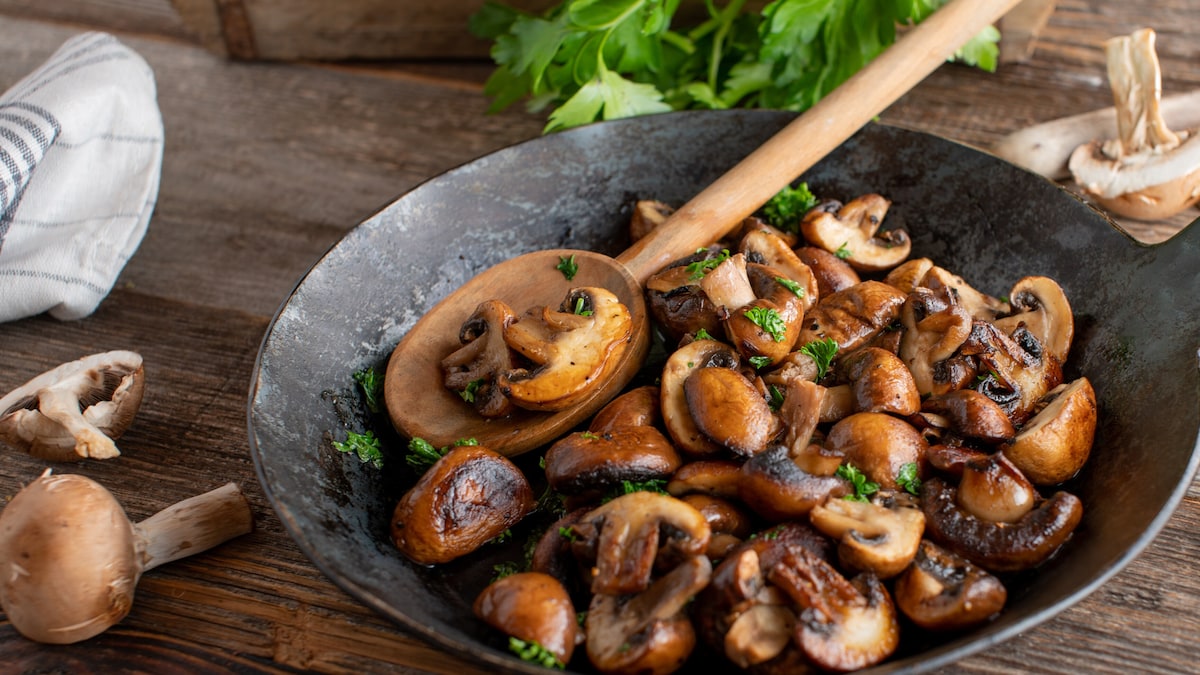
The old rule "never reheat mushrooms" is partly a myth rooted in times without refrigeration. The real danger is their rapid spoilage. To reheat mushrooms safely: Cool and refrigerate them immediately after the first meal. Reheat them only once, and ensure they reach a high internal temperature (165°F / 74°C). Consume within 24 hours.
Universal Food Safety Rules for Reheating Any Leftover
- The 2-Hour Rule: Refrigerate all leftovers within two hours of cooking. In hot weather (above 90°F/32°C), make that one hour.
- Store Smart: Use shallow, airtight containers to allow food to cool quickly in the fridge.
- Reheat Thoroughly: Always reheat leftovers until they are steaming hot all the way through (at least 165°F / 74°C). Use a food thermometer for accuracy.
- The One-Reheat Rule: Only reheat food one time. Repeated cooling and reheating multiply bacterial risks.
- When in Doubt, Throw It Out: If leftovers have been in the fridge for more than 3-4 days, or if you're unsure about their safety, discard them.
Conclusion: Prioritize Safety, Enjoy Peace of Mind
Being mindful of how you handle and reheat food is a simple yet powerful way to safeguard your health. By avoiding the reheating of these five high-risk foods and following general food safety guidelines, you can prevent unpleasant stomach issues and more serious foodborne illnesses. This knowledge empowers you to enjoy your leftovers confidently, saving time and money while staying healthy. Remember, good nutrition and wellness start with safe food practices.
Did any of these warnings surprise you? Share your own food safety tips or experiences in the comments below!