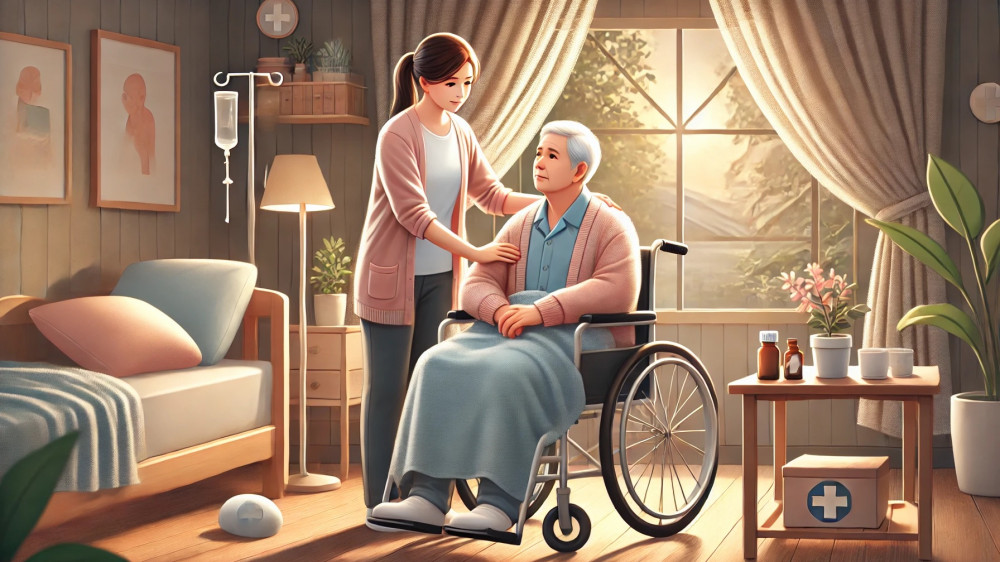
5.7 Million Germans in Need of Care: What the Latest Statistics Reveal About a Growing Crisis
If you are planning for retirement or the future care of a loved one in Germany, new data from the Federal Statistical Office (Destatis) delivers a crucial insight: the need for long-term care is rising dramatically. As of December 2023, 5.69 million people in Germany were officially classified as needing care—a sharp increase of 14% (approximately 730,000 people) since 2021. This trend underscores a societal shift with profound implications for families, finances, and the healthcare system, echoing similar demographic and care challenges faced in the United States as the population ages.
A Rapid Rise in Care Dependency: Understanding the Numbers
The jump from 4.13 million in 2021 to 5.69 million in 2023 is significant. Part of this increase stems from a broader legal definition of "care dependency" introduced in 2017, which rightly recognizes more people with conditions like dementia as eligible for support. However, the underlying demographic reality is clear: an aging population is driving a steady upward trend.
Key Demographics: Who is Most Affected by Care Needs?
The statistics paint a detailed picture of who typically requires care, information vital for personal and financial planning.
- Gender Disparity: Care dependency is predominantly female. 61% of all care recipients are women, compared to 39% men.
- Age is the Strongest Predictor: The likelihood of needing care rises sharply with age.
- 78% of care recipients are 65 or older.
- 34% are 85 years or older.
- While only about 11% of 70-74 year-olds need care, this figure soars to 87% for people aged 90 and above.
Where is Care Provided? The Overwhelming Role of Home & Family
Contrary to the common image of nursing homes, the vast majority of care in Germany is provided at home, placing a massive responsibility on families—a scenario familiar to many American families navigating eldercare.
| Care Setting | Number of People | Percentage of Total | Key Characteristics |
|---|---|---|---|
| Home Care (Total) | 4.9 Million | 86% | Overwhelming majority of cases |
| → Exclusively by Family | 3.1 Million | ~55% | Receives only a care allowance (Pflegegeld) |
| → With Professional Help | 1.1 Million | ~19% | Uses outpatient care services |
| → Care Level 1 (Home) | 680,000 | ~12% | Lower level of need, often preventive support |
| Residential Nursing Home | 800,000 | 14% | Full-time institutional care |
This data reveals that over 3 million people are cared for solely by relatives, often spouses or adult children, who may juggle this responsibility with work and their own families, frequently with only modest financial support from the care insurance fund.
What These Trends Mean for You and Your Family Planning
The rising numbers are not just a abstract statistic; they represent a tangible risk to your financial security and quality of life. Here’s how to translate this data into actionable steps:
- Acknowledge the High Probability: With care dependency rates exceeding 80% in advanced age, planning for potential long-term care needs should be a standard part of retirement planning, not an exception.
- Understand the Financial Gaps: Statutory long-term care insurance (Pflegeversicherung) provides only partial benefits. For home care, the care allowance is often insufficient; for nursing homes, out-of-pocket costs (Eigenanteil) can exceed €2,000-€4,000 monthly. This gap mirrors the funding challenge in the US, where Medicare offers limited long-term care coverage.
- Discuss Family Expectations Early: Have frank conversations with family members about preferences (home vs. facility), potential roles, and financial contributions before a crisis occurs.
- Explore Supplemental Financial Solutions: Investigate private long-term care insurance (Pflege-Zusatzversicherung) or other savings vehicles specifically designed to cover the significant co-payments and additional costs not covered by the state system.
- Research Local Support Services: Familiarize yourself with local outpatient care services (ambulante Pflegedienste), respite care options, and support groups for family caregivers. Waiting lists can be long.
Conclusion: Facing the Care Reality with Preparedness
The figure of 5.7 million Germans in need of care is a powerful indicator of a societal shift that will touch most families. The data confirms that care is predominantly a family affair happening at home, often with limited support. By recognizing this trend, understanding the financial shortfalls of the public system, and taking proactive steps—such as exploring supplemental insurance and having family conversations—you can transform a potential crisis into a managed life event. Planning for care is no longer just about aging; it's a fundamental component of responsible financial and family life in Germany.
Source Note: All statistics and demographic data in this article are sourced from the official 2023 Long-Term Care Statistics (Pflegestatistik) published by the German Federal Statistical Office (Destatis).