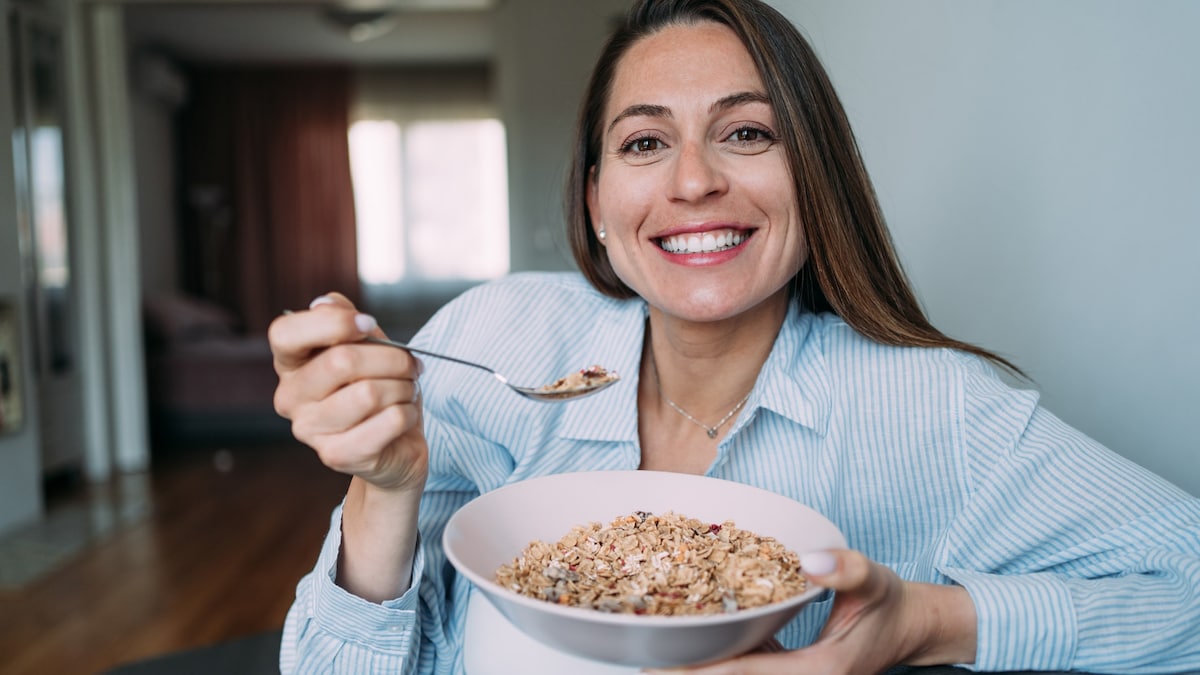
6 Oatmeal Mistakes That Can Make You Gain Weight
Oatmeal is renowned as a healthy breakfast champion, packed with fiber, complex carbs, protein, and essential minerals. It can support weight management, steady energy, and heart health. However, like a health insurance plan with hidden costs, how you prepare your oatmeal can undermine its benefits. Certain common mistakes can sneak in excess calories, sugar, and fat, transforming your wholesome bowl into a meal that hinders your weight loss goals. Here are the six critical errors to avoid for a truly healthy and satisfying start to your day.
Mistake 1: Using Pre-Flavored or Instant Packets
Many instant oatmeal packets and flavored mixes are loaded with added sugars, artificial flavors, and preservatives. These additions spike the calorie count without adding satiety, leading to a blood sugar crash and cravings later. It's akin to choosing a basic health insurance plan that seems cheap but lacks coverage for essential services.
The Fix: Always start with plain, old-fashioned or steel-cut rolled oats. You control the ingredients, sweetness, and portions. Prepare it as porridge or overnight oats for better nutrient absorption.
Mistake 2: Overestimating Your Portion Size
A common pitfall is serving yourself too much. Dry oats look modest, but they expand significantly when cooked or soaked. A standard satiating portion is typically 40-50 grams (about ½ cup dry) of rolled oats. Exceeding this regularly adds hundreds of extra calories.
The Fix: Measure your dry oats before cooking. Eat slowly to allow your body's fullness signals (which take about 20 minutes) to catch up, preventing overeating and uncomfortable bloating.
Mistake 3: Skipping Protein and Healthy Fats
Oatmeal provides carbs and fiber, but pairing it with protein and healthy fats is crucial for sustained energy and appetite control. A bowl made with just water and oats may leave you hungry soon after, prompting unnecessary snacking.
The Fix: Boost your bowl's staying power. Cook oats in milk (dairy or unsweetened plant-based) and add a scoop of protein powder, a tablespoon of nut butter, or a serving of Greek yogurt or skyr.
Mistake 4: Overloading with High-Calorie Toppings
Toppings are where calories can skyrocket. While nutritious, large handfuls of nuts, heaps of dried fruit (like dates or raisins), chocolate chips, and sugary granola are calorie-dense. A quarter-cup of granola alone can add over 150 calories.
The Fix: Choose smart, lower-calorie toppings. Prioritize fresh berries, sliced banana, or apple for volume and fiber. Use nuts and seeds sparingly (a tablespoon is plenty). Avoid store-bought sugary granola.
Mistake 5: Relying on Excessive Sweeteners
Drowning your oatmeal in honey, maple syrup, or brown sugar turns a healthy meal into a dessert. Liquid sugars are quickly absorbed, spiking blood sugar and insulin levels, which can promote fat storage.
The Fix: Sweeten naturally. Use mashed banana, unsweetened applesauce, or a dash of cinnamon and vanilla extract. If you need added sweetness, use a tiny amount of pure maple syrup or honey—think a teaspoon, not a tablespoon.
Mistake 6: Choosing the Wrong Liquid Base
Preparing oats with water saves calories but often results in a bland, unsatisfying meal that lacks staying power. This can lead you to overcompensate with excessive sweeteners or toppings, negating any calorie savings.
The Fix: Use unsweetened almond milk, oat milk, or low-fat dairy milk for creaminess and flavor without excessive calories. The slight natural sweetness can reduce your need for added sugars.
Build Your Perfect, Weight-Friendly Oatmeal Bowl
| Component | Mistake to Avoid | Smart, Healthy Choice | Benefit |
|---|---|---|---|
| Base | Flavored instant packets | Plain rolled or steel-cut oats | No added sugar, high fiber |
| Liquid | Water only | Unsweetened milk (dairy or plant-based) | Adds protein, creaminess, satisfaction |
| Protein Boost | Skipping it | 1 tbsp nut butter, scoop of protein powder, or ½ cup Greek yogurt | Promotes fullness, supports muscle |
| Toppings | Heavy granola, dried fruit | Fresh berries, 1 tbsp nuts/seeds, cinnamon | Adds volume, nutrients, flavor without excess calories |
| Sweetener | Tablespoons of syrup or sugar | Mashed banana, dash of vanilla, 1 tsp maple syrup | Natural sweetness, avoids blood sugar spike |
Conclusion: Oatmeal as a Tool for Health, Not Hindrance
Oatmeal is a powerful tool for weight management and overall health when prepared correctly. Avoiding these common mistakes ensures your breakfast supports your goals rather than sabotaging them. Think of it as optimizing your personal wellness plan. Just as you would carefully select a health insurance plan—whether it's a Medicare Advantage plan with specific drug coverage or a private insurance PPO for flexibility—you should customize your oatmeal to fit your nutritional needs. By focusing on proper portions, balanced macros, and smart toppings, you can enjoy a delicious, satisfying bowl that fuels your day and aligns with your health objectives.