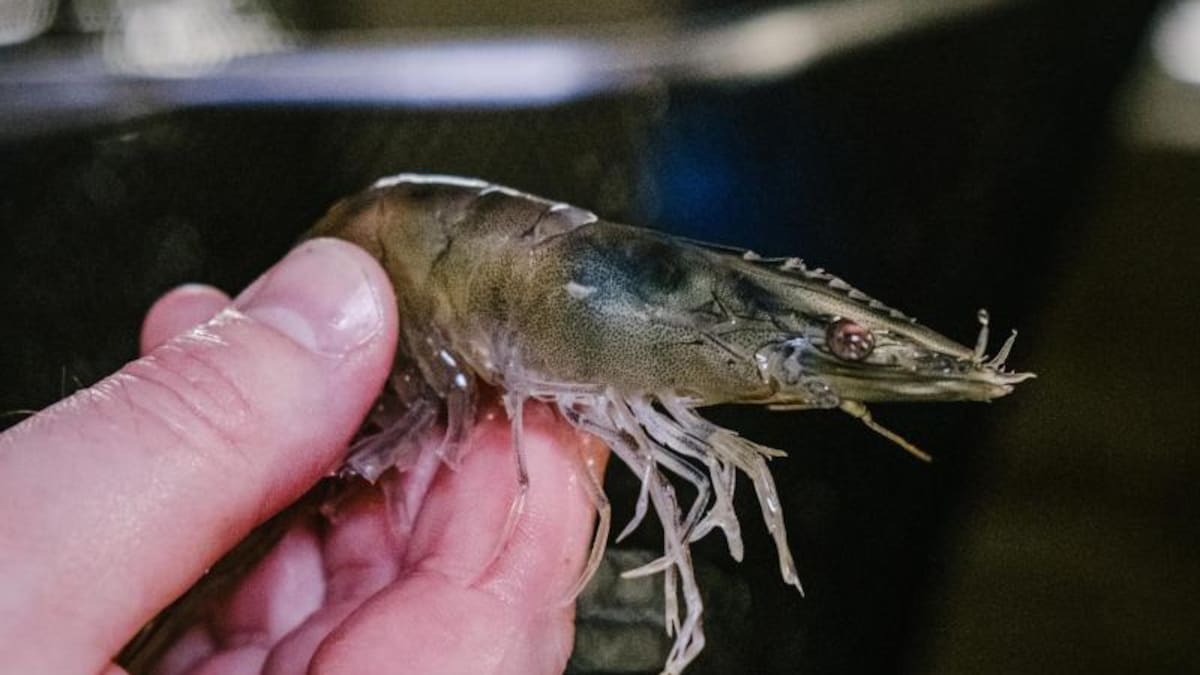
The Hidden Cost of Your Shrimp: Animal Welfare, Health Risks, and Your Power as a Consumer
Have you ever wondered about the journey of that shrimp on your plate? A groundbreaking investigation, titled "Germans Eat 2.5 Billion Shrimp Annually - The Disgusting Truth Comes to Light," has pulled back the curtain on the global shrimp farming industry, revealing practices that are causing many to lose their appetite. From severed eye stalks to questionable anesthesia methods, the report details a system where animal welfare is often sacrificed for cost and scale. As you read this, consumers worldwide are engaging in a crucial debate: balancing taste and price against ethical responsibility and health.
This isn't just about seafood; it's a mirror to broader consumption patterns. Much like choosing between different health insurance plans requires understanding coverage details and hidden costs, choosing your food requires understanding its origin. In Germany, citizens navigate between PKV (Private Health Insurance) and GKV (Statutory Health Insurance), weighing personal needs against systemic structures. Similarly, in the US, consumers choose between private health insurance plans and government programs like Medicare or Medicaid. Your shrimp purchase is a similar consumer choice—opting for cheap, opaque aquaculture products is like choosing a bare-bones insurance plan without reading the fine print on exclusions. You might save money upfront, but you risk supporting harmful systems and consuming products laden with antibiotics.
Consumer Reactions: A Spectrum of Responsibility
The report has sparked a powerful response. Let's break down how readers, and perhaps how you might react, to such revelations.
1. The Ethical Consumer: Outrage and Boycott (29%)
The largest group of readers reacted with visceral disgust and a commitment to change. They condemn the inhumane conditions, the rampant use of antibiotics, and the environmental degradation associated with Asian shrimp farms. For them, the hidden suffering outweighs any culinary pleasure.
"Once you've seen the stinking, muddy ponds in Asia where the shrimp, pumped full of antibiotics, languish, you'll never eat a farmed shrimp again."
This stance is a direct, values-driven choice, prioritizing animal welfare and personal ethics.
2. The Informed Adjuster: Reducing or Eliminating Consumption (18%)
For many, the report was an eye-opener that led to immediate action. This group represents individuals who, upon learning the facts, decide to significantly cut back or completely eliminate shrimp from their diets. Their journey often starts with shrimp but leads to a broader scrutiny of all meat and seafood consumption.
"I didn't know. I never questioned it. As of today, there's one less shrimp eater."
3. The Pragmatic Shopper: Taste, Quality, and Price (12%)
Not all responses are driven by ethics. A significant portion of consumers still prioritize the classic triumvirate: taste, quality, and a good price. However, even within this group, there is criticism of a "cheap at all costs" mentality and a call for more customer responsibility.
"Taste and quality at a good price are the deciding factors."
This highlights a core market tension. Demanding extremely low prices often forces producers to cut corners on welfare and sustainability, much like a low-premium insurance plan might have poor coverage or high deductibles.
Navigating the Market: Wild-Caught vs. Farmed Shrimp
Faced with the problems of aquaculture, many readers (12%) propose a clear solution: switch to wild-caught shrimp. They argue this avoids the ethical quagmire of farms and supports more sustainable fishing practices, especially when certified.
| Option | Potential Pros | Potential Cons & Considerations |
|---|---|---|
| Wild-Caught Shrimp | • Avoids aquaculture welfare issues. • Often perceived as better taste/texture. • Can be sustainable (look for MSC certification). | • Often more expensive. • Not all wild fisheries are sustainable; bycatch is a major issue. • Limited supply cannot meet global demand alone. |
| Farmed Shrimp (Aquaculture) | • Lower cost, more accessible. • Can theoretically be produced with higher standards. • Reduces pressure on wild stocks. | • High risk of poor animal welfare (crowding, mutilation). • Environmental damage (mangrove destruction, pollution). • Frequent antibiotic use (health risk). • Avoid uncertified products; ASC certification is a minimum standard. |
"Simple solution: Don't buy fish or shrimp from aquaculture. Opt for wild-caught, just a bit less frequently."
The Bigger Picture: Policy, Hypocrisy, and Philosophical Debates
Beyond personal choice, readers pointed to systemic failures. Eleven percent criticized political inaction on animal welfare, drawing parallels to other industries. Others pointed out societal hypocrisy, like decrying shrimp farming while owning cats that kill birds.
The discussion also veered into philosophical territory, questioning the very definition of animal suffering and our empathy for food. These debates, while sometimes ironic, force us to examine the consistency of our ethical frameworks.
Your Choice, Your Plate, Your Impact
The reactions to the shrimp farming exposé show a community at a crossroads. From outright boycott and political advocacy to pragmatic cost-benefit analysis and philosophical debate, the issue of sustainable seafood and animal welfare is deeply polarizing.
As a consumer, you hold significant power. Your purchasing decisions send signals to the market. Before your next grocery trip or restaurant visit, consider:
- Can you source wild-caught, MSC-certified shrimp?
- If buying farmed, is there a trusted, high-welfare certification?
- Could reducing your overall consumption of shrimp and other meats be a viable personal policy?
Just as you would research the details of a health insurance plan—comparing private insurance networks to Medicare coverage—informing yourself about your food's origin is an act of responsible consumption. The goal isn't perfection, but mindful progress. Will you choose to support a system that prioritizes welfare and sustainability, or will the old metrics of taste and price alone guide your fork? The choice, and the consequence, is yours. Share your thoughts and continue the conversation below.