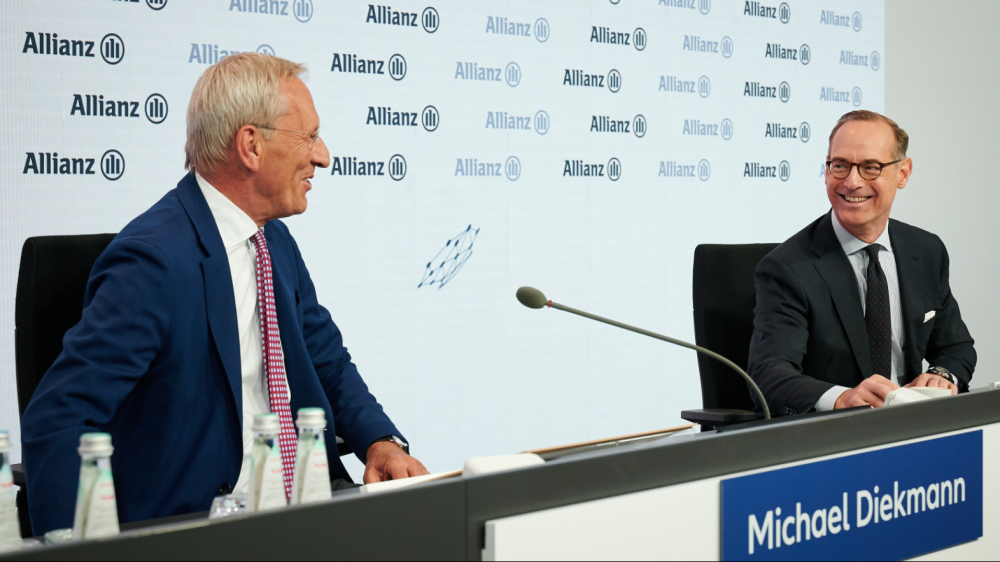
Allianz's Michael Diekmann Seeks Re-Election as Chairman: A Test of Corporate Governance and Legacy
When a legendary leader seeks to extend their tenure beyond established rules, it forces you to ask: is this about stability or stagnation? Michael Diekmann, the former CEO who shaped Allianz into a global insurance powerhouse, is seeking re-election as Chairman of the Supervisory Board. This move comes despite Allianz's internal age limit of 70 for board members—a rule Diekmann would exceed during his proposed new term. As a policyholder, investor, or industry observer, this situation offers a rare glimpse into the governance and future direction of Europe's largest insurer. For you in the United States, think of this as akin to a long-serving CEO at a company like Berkshire Hathaway or AIG challenging retirement norms to maintain influence, raising similar debates about succession planning and institutional memory.
The Diekmann Legacy: From CEO to Chairman
Michael Diekmann is not just another executive; he is an era-defining figure at Allianz. As CEO from 2003 to 2015, he drove aggressive international expansion and a rigorous digitalization strategy, laying the groundwork for the insurer's current market dominance. Since 2017, he has served as Chairman of the Supervisory Board, providing continuity during the tenure of his successor, CEO Oliver Bäte. Diekmann's decision to stand for re-election on May 4th for another four-year term—revealed in the invitation to the annual general meeting—signals his desire to remain at the helm of governance. However, this creates a dilemma: Diekmann is currently 67 and would turn 71 in December 2025, well past the company's stated age limit of 70.
Navigating the Age Limit: A "Tolerance Threshold" or Special Treatment?
Allianz's response to this governance challenge has been to invoke flexibility. According to reports, a company spokesperson emphasized that Diekmann's 71st birthday falls just five months before the next annual meeting, within a "tolerance threshold." The company also noted that Diekmann was asked to lead the reconfiguration of the Supervisory Board, and other board members have indeed stepped down around age 70. Critics, however, see this as Diekmann benefiting from a special status—a perception fueled by his historically assertive leadership style. As a stakeholder, you must consider whether this exception sets a concerning precedent or is a pragmatic move to retain invaluable experience during a complex industry transformation.
Strategic Implications: Continuity vs. Innovation in Insurance Leadership
Diekmann's potential extended tenure has direct implications for Allianz's strategy. As a staunch supporter of CEO Oliver Bäte, Diekmann has backed ongoing reforms focused on digital processes, product simplification, and global integration. His continued leadership could ensure stability, but it also risks insulating the board from fresh perspectives. In the US insurance market, similar debates occur when long-tenured leaders at companies like UnitedHealth Group or Progressive hold sway, balancing deep industry knowledge with the need for adaptive governance. For you, the key question is whether Allianz's governance structure is robust enough to drive innovation while managing risks—a concern whether you hold a German private health insurance (PKV) policy, a US Medicare Advantage plan, or any long-term financial product.
| Governance Aspect | Allianz's Situation with Diekmann | US Insurance Industry Parallel | Impact on Policyholders & Investors |
|---|---|---|---|
| Age Limit Policy | Rule bent for a former CEO, citing "tolerance" | Many US insurers have no fixed age limits, relying on performance reviews | Raises questions about board independence and succession planning clarity |
| Leadership Continuity | Diekmann provides a bridge between old and new strategies | Long-serving chairs at firms like AIG offering stability during crises | May ensure consistent strategy but could slow disruptive innovation |
| Digital Transformation | Diekmann initiated digitalization; Bäte continues it | Legacy insurers (e.g., State Farm) evolving under seasoned leadership | Potential for steady tech adoption, but risk of falling behind agile startups |
| Global Integration | Diekmann's international M&A experience remains relevant | US insurers expanding globally (e.g., Cigna's international business) | Supports cross-border service consistency and financial strength |
Comparing German and US Insurance Governance: What You Need to Know
In Germany, insurers like Allianz operate under a two-tier board system: a Management Board (Vorstand) run by executives like CEO Oliver Bäte, and a Supervisory Board (Aufsichtsrat) chaired by non-executives like Diekmann that oversees strategy. This differs from the US single-board model, where executives and independent directors sit together. The Diekmann case highlights how German corporate governance can be flexible, much like in the US where board tenure is often discretionary. For you as a consumer, understanding these structures is crucial because they influence everything from product development to claim handling efficiency. Whether you're covered by Allianz's German PKV plans or a US insurer's health policy, strong governance correlates with reliable service and financial health.
What This Means for Your Insurance and Investment Decisions
As you assess Allianz or any major insurer, consider the following takeaways from this leadership scenario:
- Evaluate Governance Transparency: How an insurer handles its own rules reflects its overall integrity. Look for clear communication on leadership transitions, similar to how you'd review a US insurer's proxy statements.
- Assess Strategic Stability: Diekmann's continuity may benefit long-term policyholders by maintaining a proven digitalization course. However, monitor if this leads to complacency in addressing emerging risks like cyber threats or climate change.
- Consider Succession Planning: A delayed exit for a dominant figure can sometimes hinder the development of next-generation leaders. Ensure your insurer has a visible pipeline of talent, as seen in US companies like The Travelers.
- Relate to Broader Trends: This situation mirrors global debates about experience versus renewal in corporate boards. Whether you're invested in Allianz stock or hold one of its policies, these governance choices can affect your financial security.
Conclusion: Leadership, Legacy, and the Future of Insurance
Michael Diekmann's bid to remain Allianz's Chairman is more than a personnel matter; it's a case study in balancing legacy with progress. For you, it underscores the importance of choosing insurers with not only strong products but also resilient and transparent governance. As the insurance industry worldwide grapples with digital disruption and evolving risks—from disability (Berufsunfähigkeit) to climate-related claims—the leadership at the top must be both experienced and adaptable. By staying informed about such developments, you can make better decisions about whom to trust with your protection and investments, whether in Germany, the United States, or beyond.
SEO Keywords: Allianz Michael Diekmann re-election, Allianz Supervisory Board chairman, corporate governance insurance, age limit policy Allianz, Oliver Bäte Allianz CEO, German insurance leadership, US insurance board comparisons, Allianz digital transformation, insurance industry succession planning, Aufsichtsrat Allianz, European insurer governance, PKV insurer strategy, Allianz vs US insurers, leadership continuity insurance.