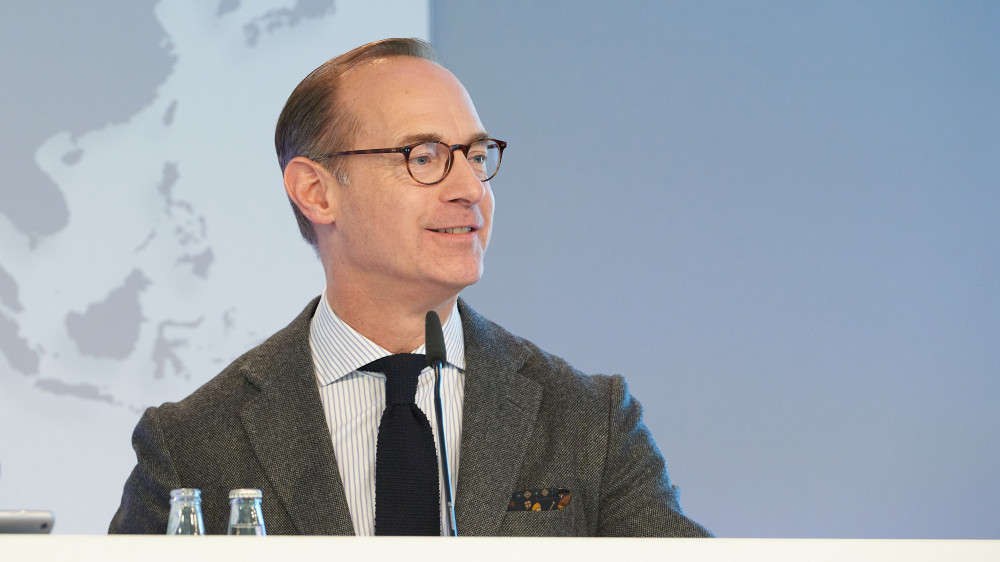
Decoding the Paycheck: Why Allianz CEO Oliver Bäte's Compensation Changed in 2019
If you follow corporate governance or executive compensation, the pay package of a global insurance leader like Allianz's CEO is a telling indicator of performance, strategy, and shareholder alignment. In 2019, Oliver Bäte, CEO of Allianz SE, received total compensation of €5.949 million. While this is a significant sum, it represents a notable decrease from the €10.33 million he earned in 2018. This article breaks down the structure of his pay, explains the reasons for the year-over-year change, and explores what it signifies about performance-based rewards in the insurance industry.
The Headline Numbers: A Year of Transition in CEO Pay
According to Allianz's 2019 annual report, Oliver Bäte's total remuneration saw a substantial drop. However, this decrease is largely structural and not a reflection of poor performance. In fact, 2018 was an exceptional year due to a unique payout cycle. Understanding the components of his compensation is key to making sense of the figures.
Breaking Down the Compensation Structure
Allianz employs a sophisticated, multi-part executive compensation model designed to align management incentives with long-term shareholder value and company health. As of 2019, it consists of three core pillars:
| Compensation Component | Purpose & Weighting | 2019 Insight |
|---|---|---|
| 1. Fixed Base Salary | Provides stable income. Represents ~30% of target total. | Remained consistent year-over-year. |
| 2. Annual Bonus (Short-Term Incentive) | Rewards annual financial & operational performance. ~25% of target. | Bäte received a €1.747 million bonus, approved by the Supervisory Board. |
| 3. Long-Term Incentive (LTI - Share-Based) | Aligns interests with shareholders over 3+ years. ~45% of target. | Typically awarded in shares with multi-year vesting, encouraging sustainable growth. |
Additionally, an Individual Contribution Factor (ICF) allows for discretionary adjustment based on personal performance against financial and non-financial goals.
Why 2019 Pay Was Lower: The End of the Mid-Term Bonus Cycle
The primary driver of the lower 2019 figure was the elimination of a specific payout. In 2018, Bäte received a substantial €4.828 million Mid-Term Bonus (MTB). This was a lump-sum payout for the successful achievement of goals over the 2016-2018 period. Such multi-year bonuses create peaks in compensation reports every three years.
In May 2019, the Allianz Annual General Meeting voted to abolish this MTB structure. Therefore, the 2019 compensation lacks this large, cyclical payout, making a direct comparison to 2018 misleading. The €1.747 million annual bonus he received in 2019 actually reflects strong yearly performance.
Performance Context: Allianz's Record Results
Despite the lower headline pay figure, 2019 was a year of robust performance for Allianz. The group reported an operating profit of €11.9 billion, a 3% increase and the highest in the company's history. This strong result led the board to propose a 6.7% dividend increase to €9.60 per share. Bäte's compensation, particularly his annual bonus, is intrinsically linked to these positive financial outcomes, demonstrating the pay-for-performance principle in action.
Key Takeaways for Investors and Industry Observers
- Look Beyond the Headline: Executive pay must be analyzed in the context of payout cycles and structural changes. A year-on-year drop does not automatically imply weaker performance.
- Structure Drives Behavior: Allianz's compensation model, with its heavy weighting toward long-term, share-based incentives, is designed to discourage short-term risk-taking and align the CEO's interests with those of long-term shareholders.
- Governance is Evolving: The removal of the Mid-Term Bonus reflects ongoing adjustments in corporate governance, often influenced by shareholder preferences for simpler, more transparent pay structures.
- Performance Remains Key: The sustained high annual bonus confirms that the board viewed the company's strategic and financial performance under Bäte's leadership as successful.
Conclusion: A Model of Aligned Incentives
Oliver Bäte's 2019 compensation package, while lower in headline terms than the anomalous 2018 figure, exemplifies a modern, performance-driven executive pay structure in the global insurance sector. The significant portion tied to long-term share performance ensures that management's success is directly coupled with creating sustainable value for Allianz's owners. For stakeholders, this structure should provide confidence that leadership is incentivized to steer the company toward prudent, long-term growth rather than short-term gains.
Related Insight: Just as corporate executives are rewarded for managing company performance and risk, individuals are responsible for managing personal financial risk. A key component is protecting your income through tools like disability insurance, which acts as a personal performance safeguard for your most valuable asset: your earning power.