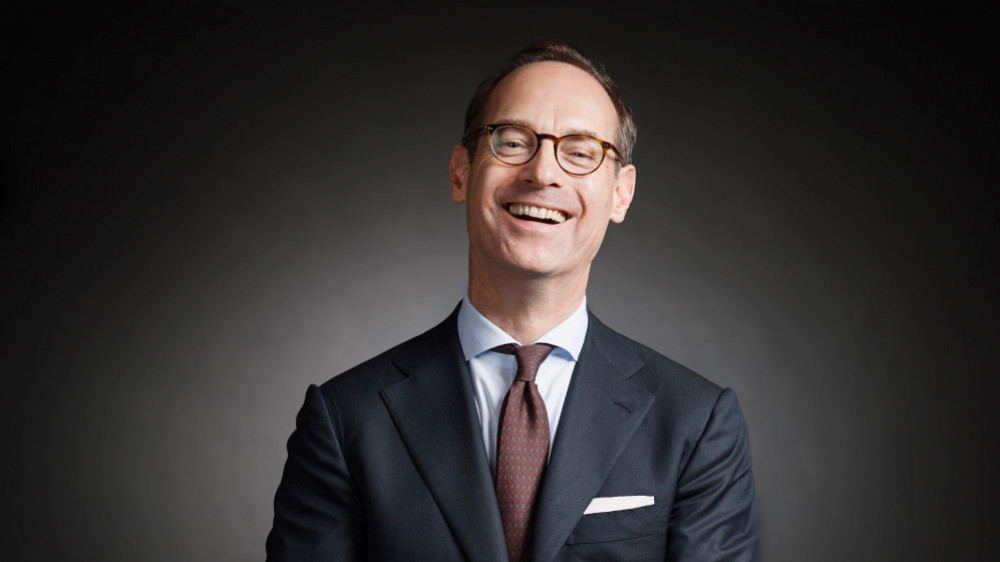
Allianz CEO Oliver Bäte Tops DAX-40 Social Media Ranking: A Blueprint for Insurance Leadership
In today's digital age, insurance leadership extends far beyond boardrooms and annual reports. It's increasingly shaped by a leader's presence and voice on social media. The latest "Social CEO-Check," a joint study by communications agency cocodibu and Macromedia University of Applied Sciences, reveals a clear frontrunner: Oliver Bäte, CEO of global insurance giant Allianz. Bäte has secured the top spot among DAX-40 CEOs, outperforming notable peers like Christian Klein of SAP.
This achievement is more than a personal milestone; it's a strategic case study in how modern insurance executives can leverage digital platforms to enhance brand perception, build trust, and engage with a broad audience. For an industry often perceived as traditional, Bäte's success signals a shift towards more transparent and accessible corporate communication in insurance.
Decoding the Success: Quality Over Quantity
The study evaluated CEOs based on follower count, engagement rates, and post frequency from January 1 to December 31, 2023. Bäte's rise is particularly impressive. He increased his overall rating by 2.6 points from the previous year, achieving a total score of +3.3. This surge was driven primarily by his impactful presence on LinkedIn.
The key insight? Success isn't about flooding feeds with content. Despite a relatively modest number of posts, Bäte's profile demonstrated remarkable interaction and steady follower growth. This underscores a critical principle for effective social media strategy: strategic, high-value content that resonates with a professional audience yields better results than sheer volume.
The Growing Imperative of CEO Social Presence
Professor Oliver T. Hellriegel of Macromedia University emphasizes that CEOs now act as crucial brand ambassadors and "corporate influencers." Their online presence directly impacts public perception and trust in their companies. The data confirms this trend is accelerating. In 2021, one-third of all DAX CEOs had no social media presence. By 2023, that number had shrunk to just three out of 43.
This evolution reflects a broader understanding within the insurance sector and beyond: to connect with customers, investors, and talent, leaders must be visible where conversations are happening.
Contrasting Cases: Lessons from the Rankings
The study also highlights the risks of inconsistency or decline. CEOs like Thierry Bernard of QIAGEN (rating: -3.9) and Oliver Blume of Volkswagen (who saw a drastic drop of -12.4 points) experienced significant setbacks in their social media presence and engagement. Blume's case is especially telling, as he was previously active and above average, demonstrating that maintaining momentum requires continuous effort.

Platform Strategy: LinkedIn Dominance with Niche Excellence
LinkedIn remains the dominant platform for B2B and executive communication, and Bäte's strategy aligns perfectly with this. However, the study notes that a high post count doesn't guarantee success, as seen with Leonhard Birnbaum (E.ON).
Conversely, Bjørn Gulden of Adidas showcases the power of platform-specific strength, achieving impressive results on Instagram. This indicates that while LinkedIn is essential for insurance industry leaders, understanding and leveraging the unique strengths of each platform is key to a holistic strategy.
Key Takeaways for Insurance Executives and Brands
1. Prioritize Strategic Engagement: Follow Oliver Bäte's lead. Focus on creating meaningful content that sparks conversation rather than chasing post quotas. Authenticity and insight drive engagement.
2. Embrace the Role of Corporate Influencer: A CEO's social profile is a powerful tool for shaping brand trust in insurance. It humanizes the corporation and provides a direct channel for key messages.
3. Master LinkedIn, But Stay Agile: Excel on the primary professional network, but be aware of other platforms where your target audience may be active.
4. Commit to Consistency: As the cases of declining CEOs show, an inconsistent or abandoned presence can harm perception. Develop a sustainable, long-term content plan.
5. Measure the Right Metrics: Look beyond vanity metrics like follower count. Track engagement rates, quality of interactions, and audience growth to gauge true impact.
Professor Dr. Dr. Castulus Kolo, President of Macromedia University, summarizes that the "Social CEO-Check" provides a nuanced picture and reveals significant room for improvement in balancing follower growth, engagement, and activity for many leaders.
For the insurance industry, Oliver Bäte's top ranking is a compelling indicator that the sector's leaders are not only adapting to the digital landscape but are poised to lead within it. In an era where customer expectations are higher than ever, a socially savvy leadership can be a decisive competitive advantage, fostering transparency and connection in a complex financial services world.