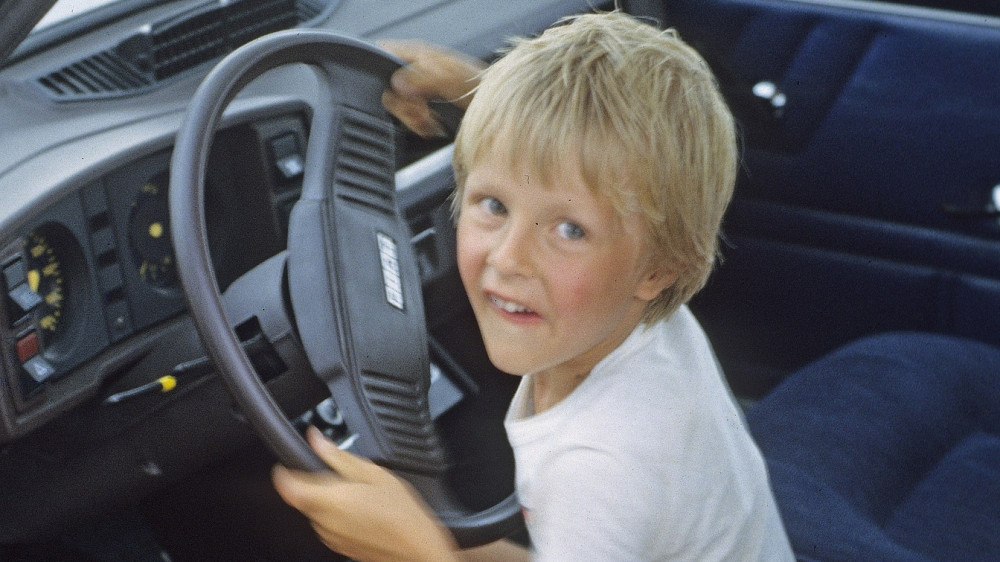
A Costly Minute: When Leaving a Child in the Car Leads to Legal Liability
Imagine you're at a family gathering. It's time to leave, you're tired, and you think it will only take a minute. You place your toddler in the car seat, leave the doors open, and run back inside to grab something. What could go wrong in just 60 seconds? A recent ruling by the Oberlandesgericht (Higher Regional Court) Osnabrück provides a stark and expensive answer. This case underscores the serious legal and financial consequences of violating the duty of supervision (Aufsichtspflicht), even for a brief moment.
The Case: A Chain of Events with Severe Consequences
Here’s what happened at a family event in the Osnabrück district:
- The Setup: A mother placed her 2.5-year-old son in the child seat on the passenger side but did not fasten the seatbelt.
- The Critical Mistake: She left the car keys on the dashboard and went back into the house for "one or two minutes," leaving the car doors wide open.
- The Unforeseen Action: The toddler climbed out of the seat, grabbed the keys, and started the car.
- The Accident: The vehicle lurched forward, striking the child's grandmother, who was sitting on a bench about 1.5 meters away. She suffered severe injuries to both knees, requiring extensive hospital treatment.
The grandmother's health insurer (Krankenkasse), having covered the medical costs, sued the mother for damages, arguing she had breached her duty of supervision.
The Legal Battle: From Acquittal to Liability
The case went through two courts with opposing verdicts, highlighting how the interpretation of "foreseeability" is crucial.
| Court | Verdict & Reasoning | Key Legal Concept |
|---|---|---|
| Landgericht Osnabrück (District Court) | Case Dismissed. The court sided with the mother. It deemed the sequence of events—a toddler starting a car—an "extraordinary chain of causation" that a prudent parent could not reasonably anticipate. | Foreseeability: Initial ruling found the accident was not a foreseeable result of the mother's brief absence. |
| Oberlandesgericht Osnabrück (Appeals Court) | Mother Found Liable. The appeals court overturned the decision. It ruled the mother created a "very significant danger" by leaving a small child unattended in a vehicle with the keys accessible. The accident was not "completely extraordinary." | Standard of Care: The required level of supervision increases with the danger of the situation. Toddlers require constant supervision. |
The higher court's reasoning was clear: Small children are naturally curious and imitate adults. It is well within the realm of experience that a child might grab keys and try to use them. The mother had several safer alternatives: buckling the child in, taking the keys with her, or explicitly asking another adult to supervise.
Key Takeaways: Understanding Your Duty of Supervision
This ruling serves as a critical reminder for all parents and caregivers about the legal duty of supervision:
- It's Context-Dependent: There is no universal "safe" time limit. The required vigilance is proportional to the child's age, temperament, and the environment's inherent dangers. A parked car near other people and objects is a high-risk environment.
- Toddlers Need Constant Oversight: German courts consistently hold that young children, especially those under three, generally require continuous visual supervision in non-secure settings.
- You Are Liable for Damages: If a breach of supervision leads to an accident that injures someone or damages property, you as the supervising adult can be held personally liable for all resulting costs. This includes medical bills, property damage, and potential pain and suffering.
Insurance Implications: Are You Covered?
This case directly involves a health insurer seeking reimbursement. It raises important questions about your own insurance coverage:
- Personal Liability Insurance (Privathaftpflichtversicherung): This is the most critical policy for such situations. A standard German personal liability insurance policy typically covers damages you are legally obligated to pay due to negligence, including breaches of parental supervision. Action: Ensure your policy is active and provides sufficient coverage limits.
- Health Insurance (Krankenversicherung): As seen here, the injured party's health insurer will pay for treatment first but has the right to seek reimbursement (Regress) from the liable party (the mother). Your personal liability insurance would then step in to handle this claim.
- Gap: Intentional or grossly negligent acts might not be covered by standard liability insurance. While this case was ruled as negligence, leaving a child in a car on a hot day could be argued as gross negligence, potentially voiding coverage.
Practical Steps to Minimize Risk
To protect your children and yourself from liability, adopt these non-negotiable habits:
- Never Leave a Child Unattended in a Vehicle. Not for a minute, not with the doors open, not "just to run in." Take them with you.
- Secure the Vehicle. Always remove the keys from the ignition and take them with you, even if you're just stepping out to pump gas.
- Use the Child Safety Lock. Engage the rear door child safety locks to prevent children from opening doors from the inside.
- Assign Explicit Supervision. If you must hand off care, make direct eye contact, verbally ask a responsible adult, and confirm they accept the duty.
- Review Your Insurance. Confirm your personal liability insurance is robust and understand its terms. Consider it an essential part of responsible parenting.
The Osnabrück court's message is unambiguous: the duty to supervise young children is strict, and the consequences of a lapse can be physically, emotionally, and financially devastating. Prudent prevention is always preferable to costly litigation.